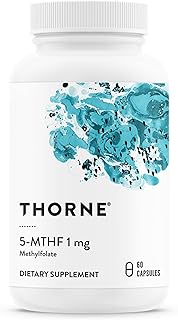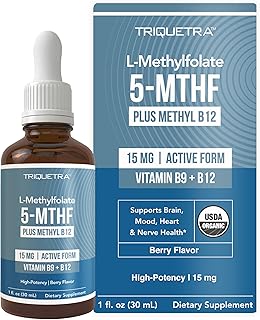
In the world of vitamins and supplements, few nutrients have garnered as much attention in recent years as methylfolate. Often touted as a superior form of folate, especially for individuals with specific genetic variations, understanding what methylfolate is, how it works, and who can benefit from it is crucial for making informed health decisions. This comprehensive guide will delve into the science, benefits, and practical considerations surrounding this vital nutrient.
What is Methylfolate? The Active Form of Folate
Methylfolate, scientifically known as L-methylfolate or 5-MTHF, is the biologically active form of folate (Vitamin B9). Unlike synthetic folic acid, which must undergo a multi-step conversion process in the body to become usable, methylfolate is the form that is directly utilized by your cells. This distinction is critical for many people, as the conversion process can be inefficient or impaired. Folate itself is a water-soluble B-vitamin essential for numerous bodily functions, including DNA synthesis and repair, red blood cell formation, and supporting rapid cell growth and division.
Key Benefits of Methylfolate Supplementation
Supplementing with the active form offers several targeted benefits that go beyond basic folate sufficiency.
1. Support for MTHFR Gene Mutations
One of the primary reasons for the popularity of methylfolate is its role for individuals with variations in the MTHFR (methylenetetrahydrofolate reductase) gene. This gene provides instructions for making an enzyme critical for processing folate. A common mutation (like C677T or A1298C) can reduce enzyme efficiency by 30-70%, making it difficult to convert folic acid or even food folate into the active L-methylfolate. For these individuals, supplementing directly with the active form bypasses this genetic bottleneck, ensuring adequate folate status for crucial methylation cycles.
2. Mental Health and Neurological Support
Research has shown a strong link between folate status and mental well-being. Methylfolate is a key player in the synthesis of neurotransmitters like serotonin, dopamine, and norepinephrine. Low levels of active folate have been associated with symptoms of depression, cognitive decline, and fatigue. Some clinical studies suggest that L-methylfolate can be an effective adjunct therapy for major depressive disorder, particularly in individuals who do not respond adequately to traditional antidepressants.
3. Pregnancy and Fetal Development
Adequate folate is non-negotiable during pregnancy to prevent neural tube defects (NTDs) like spina bifida in the developing fetus. While standard prenatal vitamins contain folic acid, some healthcare providers recommend methylfolate for mothers with known MTHFR polymorphisms to ensure optimal folate delivery to the baby. It supports not only neural tube closure but also healthy brain development and DNA synthesis.
4. Cardiovascular Health
Methylfolate helps regulate homocysteine, an amino acid in the blood. Elevated homocysteine is a recognized independent risk factor for cardiovascular disease. By supporting the methylation process that converts homocysteine to methionine, adequate methylfolate levels contribute to maintaining heart and blood vessel health.
Potential Side Effects and Considerations
While generally well-tolerated, starting methylfolate can have side effects, especially if begun at a high dose or if an individual has certain underlying imbalances.
- Initial Activation Symptoms: Some people report anxiety, irritability, or sleep disturbances when first starting. This is sometimes called "over-methylation" and may indicate a need to start with a very low dose and increase slowly.
- Masking B12 Deficiency: High-dose folate can correct the anemia caused by a Vitamin B12 deficiency but allow the associated neurological damage to progress. It's crucial to have B12 levels checked before and during high-dose folate supplementation.
- Digestive Issues: Mild nausea or stomach upset can occur, often mitigated by taking the supplement with food.
Methylfolate vs. Folic Acid: Understanding the Difference
This is a fundamental distinction. Folic acid is a synthetic, oxidized form used in fortification and most supplements. It requires the enzyme dihydrofolate reductase (DHFR) to be converted first to dihydrofolate (DHF), then tetrahydrofolate (THF), and finally, through several more steps involving the MTHFR enzyme, into active L-methylfolate. Methylfolate is already in the reduced, active state, ready for immediate use in the body's methylation cycle. For up to 60% of the population with some degree of MTHFR polymorphism, this direct form is far more efficient.
Who Should Consider Taking Methylfolate?
Supplementation may be particularly beneficial for:
- Individuals with known MTHFR gene mutations (confirmed by genetic testing).
- People with a history of depression, anxiety, or other mood disorders, especially if standard treatments have been ineffective.
- Those with elevated homocysteine levels.
- Women planning pregnancy or who are pregnant, particularly if they have a family history of NTDs or known MTHFR status. (Always consult an OB/GYN first).
- Individuals experiencing chronic fatigue or "brain fog" with no other clear cause.
How to Choose a Quality Methylfolate Supplement
Not all methylfolate supplements are created equal. Look for these features:
- Form: Seek "L-methylfolate" or "(6S)-5-methyltetrahydrofolate." The "L" or "(6S)" indicates the biologically active isomer. Brands like Quatrefolic® or Metafolin® are patented, well-researched forms.
- Dosage: Doses range from 400 mcg to 15 mg. It is often advisable to start low (e.g., 400-800 mcg daily) and assess tolerance before increasing.
- Combination Formulas: Methylfolate often works synergistically with other methylation support nutrients like methylcobalamin (active B12), Vitamin B6 (as P-5-P), and trimethylglycine (TMG or betaine). A comprehensive B-complex or dedicated methylation formula can be effective.
- Third-Party Testing: Choose brands that verify purity and potency through independent lab testing.
Final Thoughts and Recommendations
Methylfolate represents a significant advancement in nutritional science, offering a direct route to folate sufficiency for a large portion of the population. Its impact on mental health, cardiovascular function, and prenatal health is backed by growing research. However, it is not a universal panacea. The decision to supplement should be informed by individual health status, potential genetic factors, and, most importantly, guidance from a knowledgeable healthcare provider. They can help interpret symptoms, recommend testing (for MTHFR or homocysteine), and determine an appropriate starting dose to harness the benefits of this powerful nutrient while minimizing potential side effects. By understanding its role in the complex methylation cycle, you can make a more empowered choice for your long-term health and wellness.