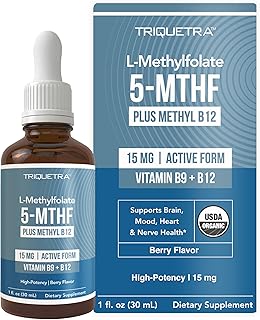
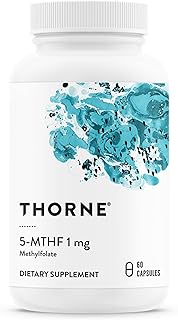
In the world of nutritional supplements, few nutrients have garnered as much attention from both the wellness community and scientific researchers as methylfolate. Also known as L-methylfolate or 5-MTHF, this bioactive form of folate (vitamin B9) is a cornerstone of the body's methylation cycle—a fundamental biochemical process that influences everything from DNA synthesis and repair to neurotransmitter production and detoxification. Unlike synthetic folic acid, which requires conversion by the body, methylfolate is the form directly utilized by our cells, making it a critical nutrient for individuals with genetic variations like the MTHFR polymorphism that impair this conversion. This comprehensive guide delves into the science, benefits, and practical applications of methylfolate, exploring why it's become a vital tool for supporting mood, cognitive function, and overall cellular health.
What is Methylfolate? Understanding the Active Form of Folate
To appreciate the significance of methylfolate, one must first understand the folate cycle. Dietary folate from leafy greens, legumes, and liver is converted in the digestive tract and liver into its active, circulating form: 5-methyltetrahydrofolate (5-MTHF), or simply methylfolate. This molecule's primary role is to donate a methyl group (a carbon atom with three hydrogen atoms) in a process called methylation. Methylation is involved in over 200 enzymatic reactions in the body. When this process is inefficient due to diet, lifestyle, or genetics, supplementing with pre-formed, bioactive methylfolate can bypass these bottlenecks and directly support the methylation cycle.
Key Benefits of Methylfolate Supplementation
1. Mood and Neurological Support
One of the most well-researched areas for methylfolate is its role in mental wellness. Methylation is essential for the synthesis of key neurotransmitters like serotonin, dopamine, and norepinephrine, which regulate mood, motivation, and stress response. Clinical studies, particularly in individuals with depression who have not fully responded to standard antidepressants, have shown that adjunctive therapy with L-methylfolate can improve outcomes. By ensuring the brain has the raw materials needed for neurotransmitter production, methylfolate acts as a crucial cofactor for mental and emotional balance.
2. Cognitive Function and Brain Health
Beyond mood, methylation supports overall cognitive function. It is vital for the production of phospholipids that make up neuronal membranes and for the regulation of homocysteine, an amino acid that, at elevated levels, is associated with cognitive decline and cardiovascular risk. By supporting healthy homocysteine metabolism, L-methylfolate contributes to maintaining vascular health in the brain and protecting neuronal integrity, which is foundational for memory, focus, and long-term cognitive health.
3. Cardiovascular and Cellular Health
The methylation cycle's role in homocysteine metabolism directly ties 5-MTHF to cardiovascular wellness. Elevated homocysteine is an independent risk factor for heart disease. Methylfolate, by remethylating homocysteine back into methionine, helps maintain it at healthy levels. Furthermore, methylation is involved in DNA synthesis and repair, making adequate folate status crucial for healthy cell division and function throughout the body.
4. Support for Specific Populations
Individuals with variations in the MTHFR gene, which is surprisingly common, have a reduced ability to convert dietary folate and folic acid into the active form. For them, supplementing with active folate like methylfolate is not just beneficial but often necessary to achieve optimal folate status. This also applies to women planning for pregnancy, as adequate bioactive folate is critical for fetal neural tube development, and to older adults whose nutrient absorption and enzymatic efficiency may decline.
Choosing a High-Quality Methylfolate Supplement
Not all methylfolate supplements are created equal. When selecting a product, several factors are paramount. First, look for the bioactive form, clearly labeled as L-methylfolate, (6S)-5-methyltetrahydrofolate, or Metafolin® (a patented, stabilized form). Second, consider the dosage. While needs vary, a supplement like L Methyl Folate 15mg Plus Methyl B12 Cofactor offers a high-potency option designed for individuals with significant support needs or genetic considerations. Third, the inclusion of a methylation support cofactor like methylcobalamin (active B12) is crucial, as B12 works synergistically with methylfolate in the methylation cycle. A product that combines both provides a more comprehensive approach.
Who Should Consider Taking Methylfolate?
Methylfolate supplementation can be particularly valuable for: Individuals with known MTHFR gene polymorphisms; Those experiencing low mood or seeking cognitive support who have not found full relief from other approaches; People with elevated homocysteine levels; Women in their childbearing years, especially when planning for pregnancy (under a healthcare provider's guidance); Anyone following a diet low in leafy greens or with poor nutrient absorption; and older adults concerned with maintaining cognitive and cardiovascular health. As with any supplement, it is advisable to consult with a healthcare professional to determine if it is appropriate for your individual health profile and needs.
Integrating Methylfolate into Your Wellness Routine
For those considering a high-potency formula, such as the L Methyl Folate 15mg Plus Methyl B12 Cofactor, it's important to start under guidance. While methylfolate is generally well-tolerated, beginning with a lower dose to assess tolerance is a prudent strategy for some. Pairing supplementation with a diet rich in natural folate sources—like spinach, asparagus, and lentils—creates a solid nutritional foundation. Remember, supplements are meant to complement, not replace, a balanced diet and healthy lifestyle.
The Future of Methylation and Personalized Nutrition
The growing understanding of nutrigenomics—how our genes interact with nutrients—has placed methylfolate at the forefront of personalized health. As awareness of genetic factors like MTHFR increases, so does the demand for bioactive, bioavailable nutrient forms. This shift represents a move away from one-size-fits-all nutrition toward tailored strategies that address individual biochemical uniqueness. Methylfolate is a prime example of this evolution, offering a direct and efficient way to support a fundamental metabolic pathway for those who need it most.
Conclusion: Empowering Health Through Bioactive Nutrition
Methylfolate is more than just another B vitamin; it is a key that unlocks the body's essential methylation process. Its direct role in supporting neurotransmitter balance, cognitive function, and cardiovascular health makes it a powerful tool in the modern wellness toolkit. Whether you are navigating specific genetic considerations, seeking enhanced mood and cognitive support, or simply aiming to optimize your foundational health with the most bioavailable forms of nutrients, understanding and potentially utilizing methylfolate can be a significant step. By choosing a high-quality, cofactor-enhanced supplement and integrating it thoughtfully into your health regimen, you are investing in the cellular processes that underpin vitality and long-term well-being.