Losing one or more teeth can impact more than just your smile; it affects your confidence, your ability to eat comfortably, and your overall oral health. For millions, partial dentures offer a reliable and effective solution. These removable dental appliances are designed to replace missing teeth, restoring both function and aesthetics. Whether you're missing a single tooth or several, understanding your options is the first step toward reclaiming your smile. This guide delves deep into the world of partial dentures, exploring the different types available, their significant benefits, and how modern, personalized solutions are changing the game for comfort and convenience.
What Are Partial Dentures?
Partial dentures are prosthetic devices used to replace one or more missing teeth. Unlike full dentures, which replace an entire arch of teeth, partials are designed to fill specific gaps. They typically consist of replacement teeth attached to a gum-colored plastic base, which is often connected by a metal framework that clasps onto your remaining natural teeth for stability. This design allows them to sit securely in your mouth while being removable for cleaning and sleeping. The primary goal is to prevent the remaining teeth from shifting into the empty space, which can lead to bite problems and further tooth loss, while also restoring your ability to chew and speak clearly.
Types of Partial Dentures: Finding Your Fit
Not all partial dentures are created equal. The right type for you depends on the location and number of missing teeth, your oral health, budget, and personal preference for comfort. Here’s a breakdown of the main categories:
1. Removable Partial Dentures (RPDs)
This is the most traditional and widely recognized type. Removable dentures are exactly as they sound—they can be taken out by the wearer. They are often the most cost-effective non-surgical option. Traditional RPDs use metal clasps that hook onto adjacent teeth. While effective, some people find the metal visible or the fit less comfortable over time as the mouth's shape changes.
2. Flexible Partial Dentures
Made from a flexible, nylon-like material, these partials offer a more comfortable and aesthetic alternative to metal-based RPDs. They are lightweight, hypoallergenic, and the gum-colored material blends seamlessly, making the clasps much less noticeable. Their flexibility can also mean a more forgiving fit for some users.
3. Custom and Personalized Partial Dentures
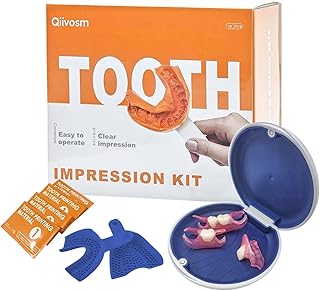
This is where modern dental technology shines. Custom dentures are crafted based on precise digital or physical impressions of your mouth. This personalized approach aims for a superior fit, enhanced comfort, and a more natural appearance that matches your unique gum shade and tooth shape. For instance, a personalized partial denture set is designed for specific tooth replacement, such as for a single missing tooth, ensuring it integrates perfectly with your existing smile. The focus on a bespoke fit often translates to easier adaptation and more confident wear.
The Multifaceted Benefits of Choosing Partial Dentures
Opting for a partial denture is a decision that pays dividends for your health and well-being. The advantages extend far beyond simply filling a gap.
- Preserves Oral Health: The most critical benefit is preventing tooth migration. When a tooth is lost, the neighboring teeth can tilt or drift into the space, and opposing teeth may over-erupt. This misalignment can cause jaw pain, difficulty cleaning, and accelerated wear. A partial denture acts as a placeholder, maintaining the proper alignment and spacing of your entire dentition.
- Restores Functionality: Chewing efficiency is dramatically improved. This allows for a more balanced diet, ensuring you get the necessary nutrients. It also stabilizes your bite, which can alleviate strain on your jaw joints.
- Enhances Speech: Missing teeth, especially front ones, can affect pronunciation. Partial dentures help restore the proper tongue and lip placement needed for clear speech.
- Boosts Confidence and Aesthetics: A complete smile has a profound psychological impact. It can boost self-esteem in social and professional settings, encouraging you to smile and speak without hesitation.
- Cost-Effective Solution: Compared to fixed options like dental bridges or implants, removable partial dentures are generally more affordable, making tooth replacement accessible to a wider audience.
The Importance of a Custom, Comfortable Fit
Comfort is paramount when it comes to any dental prosthesis. Ill-fitting dentures can cause sore spots, gum irritation, and difficulty eating. This is why the trend is moving strongly toward personalized solutions. A custom denture is not a one-size-fits-all device; it is engineered for the contours of *your* mouth. A product like a Custom Removable Denture Set emphasizes this personalized approach, aiming to provide a fit that feels secure and natural from day one. The goal is to minimize the adjustment period and maximize daily comfort, whether you're eating, talking, or laughing.
Essential Care for Your Partial Dentures
Proper denture care is non-negotiable for longevity, hygiene, and oral health. Treat your partials with the same care you would your natural teeth.
- Daily Cleaning: Remove and rinse your dentures after eating. Brush them daily with a soft-bristled brush and a non-abrasive denture cleaner—never use regular toothpaste, as it can be too harsh. This removes food, plaque, and stains.
- Handle with Care: Always clean your dentures over a soft towel or a basin of water to prevent damage if they are dropped.
- Soak Overnight: Most types need to remain moist to keep their shape. Soak them in a mild denture-cleaning solution or plain water overnight. This also allows your gum tissue to rest.
- Oral Hygiene: Don't neglect your natural teeth and gums! Brush your teeth, gums, and tongue twice a day before reinserting your clean partial.
- Regular Check-ups: Visit your dentist regularly. They can check the fit of your partial, make adjustments, and ensure your mouth remains healthy. Over time, your jawbone and gums can change, requiring a reline or remake of the appliance.
- Proper Storage: When not in use, always store your dentures in their designated storage case. This protects them from damage, dirt, and pets who might find them interesting!
Is a Partial Denture Right for You?
Partial dentures are an excellent solution for many, but not all, situations. They are ideal for patients who are missing one or several teeth but still have a number of healthy teeth remaining. They are also a good provisional or permanent solution for those who may not be candidates for dental implants due to medical reasons, bone density issues, or budget constraints. The best way to determine if a partial denture is your optimal path is through a consultation with a dental professional who can assess your specific oral health status and discuss all available replacement options.
Conclusion: Taking the Next Step Toward a Complete Smile
Navigating tooth loss can feel overwhelming, but modern dentistry offers effective and accessible paths forward. Partial dentures remain a cornerstone of tooth replacement, providing a balance of function, aesthetics, and affordability. The evolution toward customized and comfortable designs, like personalized sets for specific tooth coverage, means you don't have to compromise on fit or confidence. By understanding the types, committing to proper care, and choosing a solution tailored to your needs, you can restore not just your smile, but your quality of life. If you're considering this option, start by researching and speaking with a dental provider to explore how a partial denture can work for you.


