Missing one or several teeth can impact more than just your smile; it can affect your confidence, your ability to chew comfortably, and even the health of your remaining teeth. If you're exploring solutions, partial dentures are a popular, effective, and often more accessible option compared to fixed bridges or implants. This comprehensive guide will walk you through everything you need to know, from the different types available to the benefits of modern, personalized solutions designed for a natural look and comfortable fit.
What Are Partial Dentures?
Partial dentures are removable dental prosthetics designed to replace one or more missing teeth. They consist of replacement teeth attached to a gum-colored plastic base, which is often connected by a metal framework or precision attachments that clip onto your existing natural teeth. This not only fills the gaps in your smile but also prevents your remaining teeth from shifting position, a common problem after tooth loss that can lead to bite issues and further dental complications.
Types of Partial Dentures: Finding Your Fit
Not all partials are created equal. The right type for you depends on the location and number of missing teeth, your oral health, budget, and personal preference. Here are the main categories:
1. Cast Metal Partial Dentures
Often considered the most durable and long-lasting type, these feature a lightweight metal framework (usually cobalt-chromium) that rests on the teeth and gums. The framework provides excellent stability and support, distributing chewing forces evenly. The replacement teeth and gum-colored acrylic are attached to this metal base. They are less bulky than some acrylic options but do involve visible metal clasps that hook onto adjacent teeth.
2. Acrylic (Flipper) Partial Dentures
These are typically used as a temporary or interim solution. Made entirely from pink acrylic gum material with prosthetic teeth, they are less expensive and quicker to make. However, they are generally bulkier, less durable, and can be less stable than metal-based options. They are a common choice for replacing front teeth while waiting for a permanent solution like a bridge or implant.
3. Flexible Partial Dentures
Made from a thin, flexible nylon or thermoplastic material, these removable dentures are prized for their comfort and aesthetics. They lack metal clasps, using translucent, gum-colored material that blends seamlessly and clips gently onto the natural tooth contours. This makes them a discreet option, especially for front teeth replacement.
4. Personalized & Custom-Fit Solutions
Modern advancements now allow for highly personalized partial dentures that prioritize both aesthetics and comfort from the start. For instance, products like the Custom Partial Dentures – Personalized Removable Denture Set are designed to offer a natural look and comfortable fit tailored to individual needs. These solutions often focus on precise fit, high-quality materials for the prosthetic teeth, and thoughtful design to minimize bulk and maximize comfort, whether you're replacing a single tooth or several.
Key Benefits of Choosing Partial Dentures
Why opt for a partial denture? The advantages extend far beyond simply filling a gap.
- Restored Functionality: Regain the ability to chew a wide variety of foods properly, which aids in digestion and overall nutrition.
- Preserved Oral Health: Prevent remaining teeth from drifting into empty spaces, which can cause misalignment, jaw pain, and difficulties cleaning.
- Facial Support: Missing teeth can lead to sagging facial muscles. Partials help maintain the natural shape of your face and support your lips and cheeks.
- Improved Speech: Teeth play a crucial role in forming sounds. Replacing missing teeth can help eliminate slurring or whistling that sometimes occurs with gaps.
- Boosted Confidence: A complete, natural-looking smile can significantly improve self-esteem and social interactions.
- Non-Invasive & Reversible: Unlike bridges (which require filing down adjacent teeth) or implants (surgical procedures), getting partial dentures is a non-invasive process that doesn't permanently alter your healthy teeth.
- Cost-Effective: They are generally the most affordable tooth replacement option, making them accessible to a wider range of people.
The Importance of a Natural Look & Comfortable Fit
Early dentures were often noticeable and uncomfortable. Today, the goal is a prosthetic that feels and looks like a natural part of you. A natural look is achieved through careful shading of the acrylic base to match your gum tone and selecting prosthetic teeth that mimic the translucency, shape, and slight imperfections of natural teeth. A comfortable fit is paramount and is the result of precise impressions and expert design to ensure the partial sits securely without rubbing, pinching, or causing sore spots. Ill-fitting dentures can lead to pain, difficulty eating, and even mouth sores. This is where personalized solutions shine, as they are crafted with these specific comfort and aesthetic goals as a priority from the initial design phase.
Caring for Your Partial Dentures
Proper care is essential for the longevity of your partial and the health of your mouth.
- Daily Cleaning: Remove and rinse your partial after eating. Brush it daily with a soft-bristled brush and a non-abrasive denture cleaner (not regular toothpaste) to remove food and plaque.
- Handle with Care: Always clean your partial over a folded towel or a basin of water to prevent damage if dropped.
- Soak Overnight: Most partials need to stay moist to retain their shape. Soak them in a mild denture-cleaning solution or plain water overnight. Always follow the manufacturer's instructions for your specific dental prosthetic.
- Oral Hygiene: Brush your natural teeth, gums, and tongue thoroughly twice a day before reinserting your clean partial. This prevents plaque buildup and gum disease.
- Regular Check-ups: Visit your dentist regularly so they can check the fit of your partial and the health of your mouth. Your jawbone and gums can change shape over time, requiring adjustments or relining of the partial.
Personalized Dentures: A Modern Approach to Missing Teeth
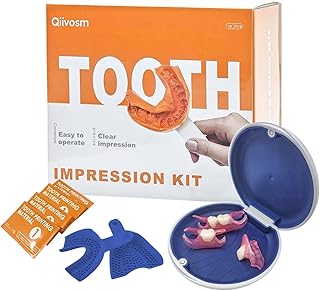
For those seeking a convenient and tailored solution, direct-to-consumer personalized denture kits represent a significant innovation. These systems allow you to take professional-grade impressions at home, which are then used to craft a partial denture designed specifically for your mouth. The Custom Partial Dentures set is an example of this approach, offering a personalized denture for replacing 1 to 6 teeth. It focuses on key user concerns: a natural aesthetic, a comfortable fit to avoid slippage, and the convenience of a included storage case. This model empowers individuals by providing a high-quality, customized prosthetic without the need for multiple in-person dental visits, making missing teeth replacement more accessible.
Making the Decision: Are Partial Dentures Right for You?
Choosing any dental care solution is a personal decision. Partial dentures are an excellent choice if you:
- Have one or several missing teeth in different areas of your mouth.
- Are looking for a non-surgical, reversible option.
- Need a cost-effective solution.
- Have healthy remaining teeth that can provide support.
- Value a solution that can be easily repaired or adjusted.
It's always recommended to discuss your specific situation with a dental professional. They can assess your oral health, discuss all available options (including bridges and implants), and help you determine if a traditional or a modern personalized partial denture is the best path to restoring your smile, function, and confidence.