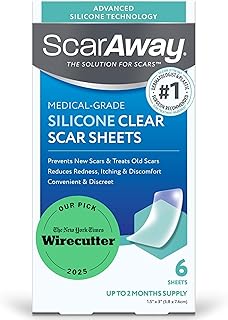
For anyone navigating the journey of scar healing—whether from surgery, injury, or acne—finding an effective, non-invasive treatment is a top priority. Among the most recommended solutions by dermatologists and plastic surgeons are silicone scar sheets. These unassuming, self-adhesive sheets have revolutionized scar management, offering a simple yet scientifically-backed approach to improving the appearance and texture of scars. But how do they work, and are they right for you? This comprehensive guide delves into everything you need to know about silicone scar therapy.
What Are Silicone Scar Sheets and How Do They Work?
Silicone scar sheets are medical-grade, flexible sheets made from cross-linked polymer silicone. They are designed to be worn directly over a healed scar. Unlike creams or gels that are rubbed in, these sheets create a protective, occlusive barrier. The mechanism of action is multifaceted. Primarily, they help to hydrate the scar tissue by reducing water loss from the stratum corneum (the skin's outer layer). This hydration signals the skin to stop overproducing collagen, which is what causes raised, red, or hard scars like keloids and hypertrophic scars. Additionally, the gentle pressure and stabilization provided by the sheet can help flatten the scar and reduce itching and discomfort.
The Proven Benefits: Why Choose Silicone Sheets?
The efficacy of silicone gel sheeting is supported by decades of clinical research. Studies consistently show they are effective in improving a wide range of scars. Key benefits include:
- Softening and Flattening: They are particularly effective for raised scars, helping to reduce height and make the scar blend more seamlessly with surrounding skin.
- Reducing Redness and Discoloration: By improving hydration and reducing inflammation, silicone sheets can help fade the red or purple hue of new scars and improve hyperpigmentation in older ones.
- Relieving Itch and Pain: The barrier protects sensitive nerve endings in the scar, providing significant relief from the itching and pain often associated with healing.
- Preventing Scar Formation: Used proactively on new surgical incisions once the wound is fully closed, they can help prevent abnormal scar formation altogether.
- Non-Invasive and User-Friendly: They offer a pain-free, drug-free alternative to more aggressive treatments like steroid injections or laser therapy.
Types of Scars Treated with Silicone Sheets
Silicone scar sheets are versatile and can be used on various scar types. They are most commonly recommended for:
- Hypertrophic Scars: Raised, red scars that stay within the boundary of the original injury.
- Keloid Scars: Raised scars that grow beyond the original wound site.
- Surgical Scars: From procedures like C-sections, appendectomies, joint replacements, or cosmetic surgery.
- Burn Scars: To help manage scarring from first or second-degree burns.
- Acne Scars: Particularly for raised or discolored post-acne marks.
- Trauma Scars: From cuts, lacerations, or accidents.
How to Use Silicone Scar Sheets for Best Results
Proper application is crucial for success. Follow these steps for optimal healing:
- Start with Clean, Dry Skin: Gently wash the scar area with mild soap and water, then pat it completely dry. Any moisture or oils will prevent the sheet from adhering properly.
- Cut to Size: Using clean scissors, cut the silicone sheet to fit the scar, allowing a small margin around the edges. Do not stretch the sheet.
- Apply and Secure: Peel off the backing and apply the sheet directly over the scar. Smooth out any air bubbles. For areas prone to movement (like joints), you may use medical tape or a bandage over the sheet to keep it in place.
- Wear Time: Begin by wearing the sheet for a few hours a day, gradually increasing to 12-24 hours of daily wear. Consistency is more important than continuous 24/7 wear; allowing the skin to breathe for a few hours is often recommended.
- Cleaning and Reuse: Most sheets are reusable. Gently wash the sheet daily with mild soap and water, let it air dry on its backing, and reapply. A single sheet can typically last 2-4 weeks with proper care.
- Be Patient: Visible improvement usually takes a minimum of 4-8 weeks of consistent use. Older, established scars may require 3-6 months of treatment.
Silicone Scar Sheets vs. Silicone Gels: Which is Better?
Both silicone scar sheets and silicone gels work on the same hydration principle, but they have different advantages. Sheets provide constant occlusion and light pressure, making them ideal for larger, flat, or raised scars on areas where they can stay put (like the chest, back, or limbs). They are also less messy. Silicone gels, applied as a thin layer that dries, are better for smaller scars, curved areas (like the face or joints), or hairy skin where a sheet wouldn't adhere. For many, using a combination—sheets at night and gel during the day—offers the best of both worlds.
What to Look for When Buying Silicone Scar Sheets
Not all sheets are created equal. When selecting a product, consider:
- Medical-Grade Silicone: Ensure the product is made from medical-grade, cross-linked polymer silicone for safety and efficacy.
- Thickness and Flexibility: Look for thin, flexible sheets that conform to body contours without peeling.
- Hypoallergenic Adhesive: The adhesive should be gentle enough for sensitive skin and not cause irritation.
- Reusability and Value: Check how long a sheet is designed to last with proper care to understand the overall cost of treatment.
- Size Options: Available in various sizes or sheets you can cut yourself to minimize waste.
Common Questions and Expert Tips
Can I use them on an open wound?
No. Silicone sheets are for closed, fully healed wounds only. Applying them to an open wound can lead to infection and impede the natural healing process. Wait until any stitches are removed, scabs have fallen off naturally, and the skin is completely closed—usually 2-3 weeks post-injury or surgery.
How long do results last?
The improvements gained from consistent use of silicone sheets are generally permanent for the treated scar. However, they do not change your skin's fundamental tendency to scar, so new injuries could still form problematic scars.
Are there any side effects?
Silicone sheets are very safe for most people. The most common issue is minor skin irritation or redness from the adhesive, which usually resolves after removing the sheet. If irritation persists, try a different brand or switch to a silicone gel. Always do a patch test on unaffected skin first.
Conclusion: A Simple Step Towards Confident Healing
Managing scars is as much about physical healing as it is about emotional well-being. Silicone scar sheets offer a proven, accessible, and patient-controlled method to actively improve the appearance of scars. By understanding how they work, following proper application guidelines, and committing to consistent use, you can empower yourself in your healing journey. Whether dealing with a recent surgical scar or an older mark, this simple technology can be a powerful tool in helping your skin look and feel its best, restoring not just the skin's surface but also your confidence.