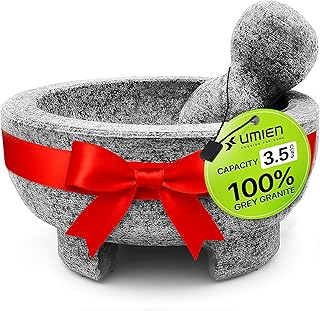
For centuries, the molcajete has been the heart of the Mexican kitchen, a culinary tool steeped in tradition and flavor. More than just a mortar and pestle, this volcanic rock mortar and pestle is a symbol of heritage, a testament to artisanal craftsmanship, and the secret behind the vibrant, complex flavors of authentic Mexican cuisine. If you've ever wondered why restaurant guacamole tastes so different from your homemade version, the answer often lies in this humble, yet powerful, stone bowl.
This guide will take you through everything you need to know about the authentic molcajete, from its ancient origins to its modern-day culinary applications. We'll explore why this tool is irreplaceable, how to select a genuine one, the crucial seasoning process, and how to use it to elevate your cooking from ordinary to extraordinary.
What is a Molcajete? History and Significance
The word "molcajete" comes from the Nahuatl words "molli" (sauce) and "caxitl" (bowl). Its companion, the pestle, is called a "tejolote." For over 2,000 years, since the time of the Aztecs and Mayans, this tool has been used to grind spices, seeds, chiles, and herbs. Unlike modern blenders or food processors that chop and blend, a molcajete crushes and grinds, releasing essential oils and creating a paste with a depth of flavor that machines simply cannot replicate.
An authentic molcajete is hand-carved from a single block of porous volcanic rock, typically basalt. This material is key to its function. The rough, unpolished interior surface provides the necessary friction for grinding, while the porous nature of the rock absorbs the flavors of the ingredients over time, subtly seasoning every dish you create. This is a living tool that improves with age and use.
Why Choose an Authentic Handmade Molcajete?
In today's market, you'll find many imitations made from concrete, ceramic, or polished stone. While these may look similar, they lack the functional and cultural essence of the real thing. Here’s why investing in a genuine, handmade lava rock molcajete is worth it:
- Superior Flavor Development: The crushing action of the tejolote against the rough volcanic rock creates a paste, not a puree. This process, known as "majando," gently coaxes out flavors without bruising or overheating ingredients like a metal blade would.
- Natural Non-Stick Surface: Once properly seasoned, the porous rock develops a natural patina that prevents sticking and makes cleaning easier.
- Durability and Longevity: A well-made molcajete is virtually indestructible. It can be passed down through generations, becoming a family heirloom that carries the culinary memories of every meal prepared in it.
- Connection to Tradition: Using an authentic tool connects you to centuries of culinary history. It’s a piece of living culture in your kitchen.
For those seeking a true piece of this tradition, products like The Original Molcajete Mexicano offer the genuine article—handmade in Mexico from authentic lava rock, ensuring you get both the tool and the culinary benefits it promises.
How to Choose Your Molcajete: A Buyer's Guide
Selecting a real molcajete can be tricky. Follow these tips to ensure you get an authentic, high-quality piece:
- Check the Material: It should be heavy, cool to the touch, and have a consistent, gritty texture. Tap it lightly; it should produce a dull thud, not a high-pitched ring (which indicates ceramic or concrete).
- Examine the Carving: Look for tool marks and slight imperfections—these are signs of handcrafting. The interior should be uniformly rough, not smooth or polished.
- Test for Grit: Rub the inside with your finger. A small amount of grayish-black grit (rock dust) should come off. This is normal and will be removed during seasoning.
- Consider the Size: Molcajetes typically range from 6 to 12 inches in diameter. An 8-inch model is a versatile choice for most home kitchens, perfect for making salsas, guacamole, or grinding spices for a family meal.
The Sacred Ritual: How to Season Your New Molcajete
This is the most critical step and cannot be skipped. A new molcajete contains fine volcanic grit that must be removed before it's safe for cooking. Seasoning also seals the porous surface. The traditional method is a labor of love that pays off for a lifetime.
Step-by-Step Seasoning Process:
- Initial Grinding: Place a handful of dry, uncooked white rice in the bowl. Grind vigorously with the tejolote in a circular motion until the rice turns into a dark gray, dusty paste. This abrasive action pulls the loose grit from the stone. Discard the paste.
- Repeat: Repeat the rice grinding process 3-4 times until the rice paste remains mostly white, indicating most loose grit is gone.
- Flavor Infusion: Grind several cloves of garlic, some coarse salt, and a handful of cilantro stems into a paste. Let this paste sit in the bowl for several hours or overnight. The rock will absorb these foundational flavors.
- Final Rinse and Dry: Rinse thoroughly with warm water (no soap!). Scrub with a stiff-bristled brush. Let it air-dry completely in the sun if possible.
Your molcajete is now ready to use. With each use, its flavor-enhancing properties will grow stronger.
Beyond Guacamole: Culinary Uses for Your Molcajete
While it's the world's best guacamole maker, a molcajete's utility extends far beyond. Here’s how to use it:
- Salsas: Create textured, rustic salsas like salsa verde or salsa roja. Grinding roasted tomatoes, chiles, and onions releases a smoky, blended flavor.
- Spice Blends: Toast whole cumin, coriander, and peppercorns, then grind them fresh for unparalleled aroma and potency.
- Pastes and Marinades: Make complex pastes for moles, adobos, or curry bases. Grinding fresh herbs, garlic, and spices creates a cohesive, intense flavor foundation.
- Nut Butters and Dips: Grind roasted nuts with a little oil for small-batch, fresh nut butter or create creamy, textured bean dips.
Care and Maintenance: Keeping Your Molcajete for Generations
Caring for your stone mortar bowl is simple but specific. Never use soap, as the porous rock will absorb it and taint your food. After use, rinse with hot water and scrub with a dedicated brush or a handful of coarse salt as a gentle abrasive. Let it air-dry completely before storing to prevent mildew. Over time, a dark, seasoned patina will develop on the interior—this is a sign of a well-loved and properly used tool, not dirt.
Common Mistakes and How to Avoid Them
Many first-time users encounter pitfalls. Avoid these common errors:
- Skipping the Seasoning: This leads to gritty food and can be a health hazard. Always season thoroughly.
- Using Soap: This ruins the seasoned surface and flavors. Stick to hot water and abrasive salt or a brush.
- Storing it Wet: This can cause cracking in extreme temperatures and promotes bacterial growth. Always ensure it is bone-dry.
- Using it for the Wrong Tasks: It's not designed for grinding extremely hard items like coffee beans or whole nutmeg. This can damage the stone and your tejolote.
Conclusion: Embrace the Tradition
An authentic Molcajete is more than a kitchen gadget; it's an invitation to slow down, connect with your ingredients, and participate in a timeless culinary ritual. The effort put into selecting, seasoning, and learning to use this traditional Mexican molcajete is repaid a thousandfold in the depth of flavor it brings to your table. It transforms cooking from a task into an experience. Whether you're crafting a simple salsa or an elaborate mole, the molcajete is a direct link to the soul of Mexican cuisine, ready to unlock flavors in your kitchen that you never knew were possible.