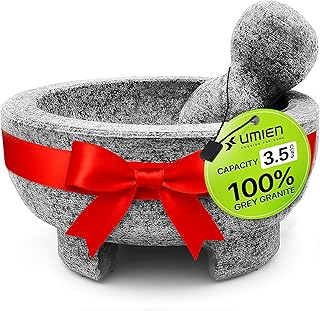
For centuries, the molcajete has been the heart of the Mexican kitchen, a symbol of tradition and the secret behind the deepest, most complex flavors in salsas, guacamole, and moles. This iconic mortar and pestle, traditionally carved from porous volcanic rock, is more than a tool—it's a culinary heirloom. However, modern artisans have begun crafting these essential grinders from other durable stones, like unpolished granite, offering home cooks new possibilities. In this comprehensive guide, we'll explore the world of molcajetes, from their rich history to their practical uses today, with a special focus on the benefits of a high-quality, granite mortar and pestle for your family kitchen.
What is a Molcajete? History and Cultural Significance
The word 'molcajete' comes from the Nahuatl words 'molli' (sauce) and 'caxitl' (bowl). For over 2000 years, indigenous cultures in Mesoamerica have used these implements, traditionally made from basalt (volcanic rock). The rough, porous texture of the volcanic stone was ideal for grinding spices, seeds, and chiles, releasing oils and flavors in a way that blenders and food processors simply cannot replicate. The accompanying pestle is called a 'tejolote'. Possessing a molcajete was a sign of a well-established kitchen, and the process of 'curing' or seasoning a new one was a ritual passed down through generations.
Unpolished Granite Molcajetes: A Modern Classic
While traditional volcanic rock molcajetes are beloved, they can be inconsistent in quality and often require an extensive, multi-step seasoning process to remove grit. Enter the unpolished molcajete made from solid granite. Granite is an incredibly hard, non-porous, and durable igneous rock. An unpolished granite bowl retains the necessary coarse texture for effective grinding without the excessive porosity of some volcanic stones. This means it's easier to clean, less likely to retain strong odors, and often requires a simpler initial seasoning. A piece like the Large 4-Cup Unpolished Granite Molcajete offers the authentic grinding experience with modern durability and consistency.
Why Choose a Large, Handmade Stone Grinder?
Size matters when it comes to a mortar and pestle. A small bowl might suffice for a single clove of garlic, but for authentic cooking—making salsa for a party, grinding nuts for pesto, or preparing guacamole for family day—you need space to work. A 4-cup mortar (approximately 8 inches in diameter) provides ample room to grind and mix ingredients without spillage. The weight of a solid handmade stone grinder provides stability on the counter, and the heft of the pestle gives you the leverage needed for efficient grinding, turning hard spices into powder and fibrous herbs into vibrant pastes with less effort.
Key Features of a Quality Granite Molcajete
Not all stone mortars are created equal. When selecting your molcajete, look for these features commonly found in premium models like our granite option:
- Unpolished, Textured Interior: The interior bowl should have a rough, gritty surface to grip and shred ingredients effectively.
- Substantial Weight & Stability: It shouldn't slide around when you apply pressure with the pestle.
- Deep, Spacious Bowl: A deep 4-cup capacity prevents ingredients from flying out during vigorous grinding.
- Comfortable, Ergonomic Pestle: The 'tejolote' should fit comfortably in your hand, with a shape that conforms to the bowl's curve.
Culinary Uses: Beyond Guacamole
While famously used for guacamole mortar duties, a versatile molcajete is a workhorse for countless recipes:
- Salsas & Pastes: Crush tomatoes, tomatillos, chiles, onions, and cilantro for a rustic, textured salsa that's bursting with fresh flavor.
- Spice Blends & Grinding: Toast and grind whole cumin, coriander, peppercorns, and dried chiles for incomparably fragrant spices.
- Pestos & Herb Pastes: Bruise basil, garlic, and pine nuts to create a vibrant, emulsified pesto without the blade-heating action of a food processor.
- Curry Pastes & Marinades: Grind lemongrass, galangal, garlic, and shrimp paste for authentic Thai or Indian curry bases.
- Nut Butters & Grinding Nuts: Make small-batch almond or peanut butter, or grind nuts for coatings and desserts.
How to Season Your New Molcajete
Even an unpolished molcajete made from granite benefits from a simple seasoning process to remove any fine stone dust and prepare the surface for food. The process for granite is typically easier than for porous volcanic rock. Grind a handful of dry white rice or coarse salt in the bowl until it turns gray. Discard the powder and repeat 2-3 times until the powder remains mostly white. Rinse thoroughly with water (no soap initially). Your Mexican mortar is now ready for its first culinary adventure!
Caring for Your Stone Grinder
Proper care will ensure your handmade stone grinder lasts for decades. After use, rinse with warm water and use a dedicated brush to scrub away food particles. Avoid using soap, as the stone can absorb the flavor. If necessary, a paste of baking soda and water can help remove stubborn odors. Always allow it to air-dry completely before storing to prevent mildew. Over time, the patina that develops from oils and spices will only enhance its non-stick properties and flavor-imparting qualities.
Choosing the Right Molcajete for Your Kitchen
For home cooks seeking authenticity paired with reliability and ease of use, a well-crafted granite molcajete is an excellent choice. It embodies the spirit of the traditional tool while addressing some of its practical challenges. The Large Mortar and Pestle - 4 Cup Unpolished Granite Bowl Molcajete offers the perfect balance: the large, 8-inch diameter and 4-cup capacity make it ideal for family-sized recipes, while the unpolished granite construction provides superior grinding texture and longevity. It's a handmade stone grinder designed to become a centerpiece of your culinary practice, connecting you to an ancient tradition with every grind, crush, and mix.
Conclusion: Embrace the Art of Grinding
In a world of high-speed appliances, the molcajete invites you to slow down and connect with your ingredients. The tactile process of grinding releases aromatic compounds and creates textures that machines cannot. Whether you choose a traditional volcanic rock version or a modern, unpolished molcajete in durable granite, you are investing in a tool that will elevate your cooking and last a lifetime. It's more than just a
The original Molcajete Mexicano volcanic rock Handmade of Authentic Lava Rock in Mexico - Molcajete de Piedra volcanica - Molcajete Mortar Pestle molcajete bowl molcajete volcanic rock guacamole maker IMUSA USA Granite Molcajete Spice Grinder 6-Inch, Gray Genuine Handmade Mexican Mortar and Pestle Set- 8 Inches, Molcajete Mexicano — Mexican Cookware Perfect as Salsa Bowls, Guacamole Bowl and Masher, Mortero Para Cocina made from Volcanic Rock in Mexico Umien Granite Mortar and Pestle Set - 8-Inch Natural Stone Molcajete with Avocado Tool - 3.5 Cup Capacity for Spices, Herbs, Pestos & Guacamole - Premium Kitchen Gift (Grey) Large Mortar and Pestle - 4 Cup Unpolished Granite Bowl Molcajete Mexican Mortar Handmade Stone Grinder for Guacamole Pastes Pestos in Family Day, Mortar and Pestle, Gray, 8 Inches Priority Chef Heavy Duty Mortar and Pestle Set, 1.5 Cup, 100% Granite, Non Slip Base, Make Fresh Guacamole, Salsa, Pesto, Stone Grinder Bowl, Herb Crusher, Spice Grinder, 5.5 Inch - BlackRelated Products