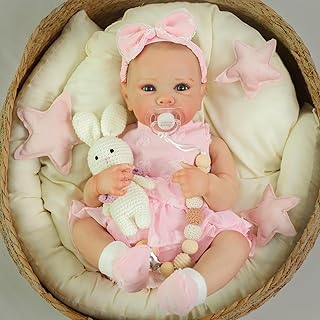
The world of collectible dolls is vast, but few categories inspire the same level of awe and emotional connection as Reborn Baby Dolls. These are not your average playthings; they are meticulously crafted, hyper-realistic works of art designed to mimic the look, weight, and feel of a real human infant. For artists, collectors, and individuals seeking comfort, these dolls represent a unique blend of artistry and emotional resonance. This comprehensive guide delves into everything you need to know about these lifelike creations, from their history and creation process to their role in therapeutic settings and collecting communities.
What Are Reborn Baby Dolls?
At their core, Reborn Baby Dolls are vinyl or silicone doll kits that have been transformed by artists through a painstaking process called "reborning." The goal is to erase all traces of the doll's manufactured origins and create an astonishingly lifelike infant. This involves multiple layers of specialized paints, hand-rooting individual strands of hair (often mohair or human hair), weighting the body with materials like glass beads and poly pellets to simulate a baby's heft, and adding intricate details like veining, mottling, and "milk" spots. The result is a doll that can be so realistic it often causes double-takes.
The Art and Craft of Reborning
Creating a reborn doll is a true art form that requires immense patience and skill. The process begins with a blank vinyl doll kit, often produced by companies like Berenguer or Ashton-Drake. The artist then embarks on a multi-step journey:
- Painting: Using heat-set Genesis paints, the artist applies dozens of translucent layers to build up skin tones, creating depth and realism. This includes adding subtle details like blushing on the cheeks, knees, and feet, as well as delicate veining.
- Hair Rooting: This is one of the most time-consuming steps. Using a fine needle, the artist inserts individual strands of hair into the doll's scalp, follicle by follicle, following natural hair growth patterns. This can take 40 hours or more for a full head of hair.
- Weighting and Assembly: The doll's limbs and body are filled with weighting materials to achieve a realistic weight and floppy, newborn-like posture. The limbs are then securely attached, and the doll is assembled.
- Finishing Touches: Final details include applying matte varnish to eliminate plastic shine, hand-painting eyelashes and eyebrows, and sometimes even magnetizing the mouth to hold a tiny pacifier.
Each artist brings their own style, leading to a wonderful diversity within the Reborn community. Some specialize in sleepy newborns, while others create wide-awake, smiling infants with incredible character.
Why Do People Collect Reborn Dolls?
The motivations for collecting these lifelike Baby Dolls are as varied as the collectors themselves. For many, it is a pure appreciation of the artistry and craftsmanship. They collect dolls from different renowned artists, much like one would collect paintings or sculptures. For others, particularly those who have experienced loss, infertility, or the empty nest syndrome, reborn dolls can provide significant emotional comfort and companionship. The act of caring for a doll—dressing, holding, and nurturing it—can trigger positive psychological responses.
There is also a vibrant community aspect. Collectors connect online and at doll shows to share their latest "babies," trade tips, and commission custom work. This social dimension adds a layer of enjoyment beyond the doll itself.
Reborn Dolls in Therapy and Dementia Care
Beyond collecting, Reborn Baby Dolls have found a profound application in therapeutic settings, especially in dementia care. Patients with Alzheimer's or other forms of dementia often experience agitation, anxiety, and loneliness. The introduction of a realistic, weighted doll can have a calming effect, reducing stress and providing a sense of purpose through nurturing behavior. Studies and caregiver reports have noted decreased wandering, lessened aggression, and improved mood in patients who interact with these dolls. It's a powerful, non-pharmacological intervention that taps into deep-seated human instincts.
Starting Your Own Reborn Collection: A Beginner's Guide
If you're captivated by the world of reborns and want to start a collection, here are some key steps:
- Do Your Research: Spend time on reborn community websites, forums, and YouTube channels. Understand the different artists, styles, and price points. A mass-produced "realistic" doll from a toy store is fundamentally different from a hand-reborned artist doll.
- Set a Budget: Prices can range from under $100 for a simple, factory-finished doll to several thousand dollars for a masterpiece from a top artist. Be clear on what you can spend.
- Buy from Reputable Sources: Purchase from established artists, reputable nurseries (online stores), or well-known auction sites with buyer protection. Be wary of deals that seem too good to be true.
- Consider Your Preferences: Do you prefer a specific gender, ethnicity, or expression? Newborns, toddlers, or preemies? Knowing what you love will help you find the perfect doll.
- Care for Your Doll: Reborns are delicate. Keep them out of direct sunlight to prevent vinyl damage and paint fading. Dress them in soft clothing to avoid snagging rooted hair, and handle them gently.
Common Misconceptions and Ethical Considerations
As Reborn Baby Dolls gain popularity, it's important to address some common misconceptions. First, while they provide comfort, they are not a replacement for professional therapy or human interaction. Second, the vast majority of collectors and artists have a healthy understanding that these are dolls, not real babies. The hobby is about art and emotion, not delusion.
Ethically, it's considered poor practice to use reborn dolls for pranks or to deliberately deceive the public in a way that could cause alarm. Most in the community advocate for respectful enjoyment of the art form.
The Future of Reborn Artistry
The art of reborning continues to evolve. Artists are experimenting with new materials, such as silicone for even more realistic skin texture, and creating dolls with more diverse and inclusive features. The rise of social media platforms like Instagram and Facebook has given artists global storefronts and allowed communities to flourish. As awareness grows about their therapeutic benefits, we may see reborn dolls becoming more integrated into professional care environments.
Whether you are an art enthusiast, a seeker of comfort, a curious observer, or a potential collector, the world of Dolls known as Reborns offers a unique and deeply human experience. They stand at the intersection of incredible skill and profound emotion, reminding us of the power of art to connect, comfort, and captivate.