Stepping into the mesmerizing world of contact juggling, beginners are often greeted by two prominent names: the iconic Fushigi Ball and the more generic, yet highly effective, acrylic practice balls. Both promise the illusion of a floating, gravity-defying sphere, but they cater to slightly different needs and budgets. If you're a newcomer trying to decide where to invest your first dollars in this captivating flow art, this comprehensive buying guide will break down everything you need to know.
At its core, contact juggling is the art of manipulating a sphere—usually acrylic or similar—so that it appears to float, roll, and orbit around the body with minimal visible effort. It's a dance of physics, illusion, and meditative focus. The right ball is not just a prop; it's your partner in this dance. Choosing between a branded option like the Fushigi and a quality practice set can significantly impact your learning curve, enjoyment, and progression.
Understanding the Fushigi Ball Phenomenon
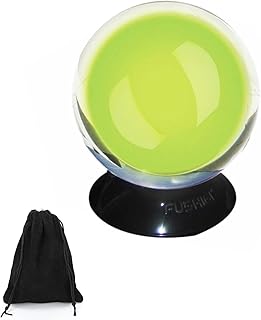
The Fushigi Ball is more than a juggling prop; it's a cultural icon popularized by viral videos and masterful performers. Its name, derived from the Japanese word for "miracle," aptly describes the magical effect it creates. The classic Fushigi is known for its highly reflective, mirror-like surface, often with a distinctive silver or chrome finish. This finish is key to its illusion, as it reflects the environment, making the ball's edges disappear and creating the famous "floating" effect against a contrasting background.
For a beginner, the Fushigi offers a complete package. It typically comes with instructional materials, often a DVD or access to online tutorials, which are invaluable for learning the foundational moves. The brand has built a community and a recognizable style. However, this premium branding comes at a cost. A single Fushigi ball is often priced similarly to a multi-pack of standard acrylic balls. Furthermore, its flawless reflective surface can be prone to showing fingerprints and minor scratches, which might be a concern for perfectionists.
The Case for Acrylic Practice Balls
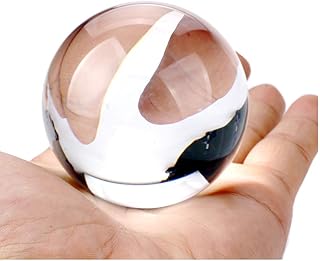
On the other side of the ring are clear acrylic practice balls, like the popular DSJUGGLING 2-Pack. These are the workhorses of the contact juggling world. Made from high-quality, polished acrylic, they offer a crystal-clear or slightly frosted appearance. While they may not have the same instant name recognition as a Fushigi, they provide exceptional value and practicality, especially for those just starting their journey.
The primary advantage of a set like this is having two balls. Why is this crucial for beginners? First, it allows for practicing with both hands simultaneously, building ambidexterity and muscle memory faster. Second, if you drop one (and you will), you have an immediate backup, preventing frustration and lost practice time. The 65mm (approximately 2.56-inch) size is considered ideal for adult hands, offering a good balance between control and visibility. As a foundational circus training tool, these clear acrylic balls are unmatched for drilling the basic isolations, palm spins, and body rolls that form the language of contact juggling.
Head-to-Head Comparison: Key Factors for Beginners
1. Illusion & Aesthetics
The Fushigi's mirrored surface creates a stronger, more immediate "disappearing" illusion against dark clothing or backgrounds. It's inherently dramatic. Clear acrylic balls, like the DSJUGGLING set, create a different, often more ethereal illusion. They catch and refract light beautifully, appearing almost like a bubble of glass or crystal floating on your hand. The effect is subtler but can be incredibly elegant, especially under stage lights or in sunlight.
2. Durability & Maintenance
Acrylic is a durable material, but care is needed. The mirrored coating on some Fushigi models can be delicate. Clear acrylic practice balls are generally more forgiving of the inevitable bumps and drops during the learning process. They are also easier to clean without worrying about damaging a special coating. A simple microfiber cloth is all you need to keep them looking pristine, making them a low-maintenance choice for daily beginners juggling practice.
3. Learning Curve & Feel
The weight and size are critical for control. The 65mm, ~200-gram ball is a standard for good reason. Both the Fushigi and quality acrylic balls like the DSJUGGLING set adhere to this ergonomic standard. The main difference in feel comes from the surface texture. A mirrored Fushigi can feel slightly slicker, while a polished clear acrylic ball might offer a tiny bit more grip, which some beginners find reassuring. Ultimately, consistent practice matters more than a marginal difference in surface texture.
4. Value & Versatility
This is where multi-packs of acrylic balls shine. For the price of one branded ball, you often get two. This is not just about having a spare; it opens up training possibilities. You can practice two-ball manipulations, have one for home and one for travel, or even use them as a meditation sphere for mindfulness practice off the juggling mat. The DSJUGGLING 2-pack represents a high-value entry point that reduces the financial barrier to starting this art form.
Who Should Choose What? Your Decision Guide
Choose a Fushigi Ball if: You are captivated by the specific, high-contrast mirrored illusion and the brand heritage. You value the included instructional ecosystem and are willing to invest in a single, iconic prop. You primarily practice in controlled environments (like a studio) and are meticulous about handling and storage.
Choose an Acrylic Practice Ball Set (like the DSJUGGLING 2-Pack) if: You are a true beginner prioritizing value and practicality. You want the safety net of a second ball and the ability to train both hands equally. You appreciate the clear, light-refracting aesthetic and want a durable tool for daily practice. You see contact juggling as part of a broader flow arts prop arsenal and want a reliable, versatile foundation.
Essential Beginner Tips Regardless of Your Choice
1. Start with the Basics: Don't try to mimic advanced viral videos on day one. Focus on fundamental palm spins, finger rolls, and the basic "isolation" (keeping the ball static in your visual field while your hand moves). Mastery of these simple moves creates the real magic.
2. Practice Over a Soft Surface: Use a bed, a thick rug, or a yoga mat for your first sessions. This protects your ball (and your floors!) from damage and reduces the noise of drops, making practice less stressful.
3. Clean Your Ball Regularly: Oils from your skin will build up and affect grip. Wipe your acrylic practice ball with a clean, dry microfiber cloth before and after each practice session.
4. Be Patient and Consistent: Contact juggling is a skill that develops with muscle memory. Short, daily 15-minute practices are far more effective than one long, frustrating session once a week.
Final Verdict: Building Your Foundation
For the absolute beginner looking to explore contact juggling without a significant upfront investment, a high-quality acrylic practice ball set is the unequivocally smart choice. The DSJUGGLING 2-Pack offers the perfect combination of the right size (65mm), clarity, durability, and incredible value with two balls. It allows you to build a solid technical foundation in the art form.
Once you've mastered the basics and are certain of your commitment, you can then appreciate and invest in a specialized prop like the Fushigi for its unique performance qualities. Think of the clear acrylic ball as your reliable training partner and the Fushigi as your special performance outfit. You need the former to earn the latter. By starting with a versatile, practical set, you equip yourself with the tools needed for successful, frustration-free learning, unlocking the true miracle—the skill within your own hands.