In the age of smart homes, the quest for convenience, efficiency, and aesthetic harmony has reached our windows. Motorized blinds are no longer a futuristic luxury but a practical upgrade for modern living. These automated window coverings offer a seamless blend of technology and design, providing unparalleled control over light, privacy, and energy consumption with just a tap on your smartphone or a voice command. This comprehensive guide will explore everything you need to know about transforming your home with this innovative solution.
What Are Motorized Blinds and How Do They Work?
At their core, motorized blinds are traditional window shades or blinds equipped with a small, quiet electric motor. This motor is integrated into the headrail (the top bar) and is responsible for raising, lowering, and tilting the slats. The system is powered either by a low-voltage power supply, often hardwired during construction or renovation, or by rechargeable or long-life batteries, making them a viable option for existing homes without new wiring.
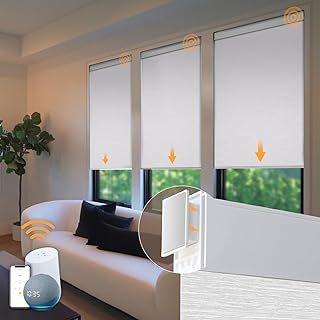
Control is the defining feature. Users can operate their motorized blinds through various methods: dedicated remote controls, wall-mounted keypads, smartphone apps, or integration with broader smart home ecosystems like Amazon Alexa, Google Assistant, or Apple HomeKit. Advanced systems can be programmed on schedules—opening at sunrise and closing at dusk—or grouped into "scenes" that adjust multiple blinds simultaneously to create the perfect ambiance.
Top Benefits of Installing Motorized Window Treatments
The advantages of upgrading to automated blinds extend far beyond simple convenience. Here are the key benefits driving their popularity:
Unmatched Convenience and Accessibility
Imagine adjusting every blind in your great room from your couch or closing the bedroom shades without getting out of bed. This convenience is a game-changer for daily life. It's also a significant accessibility boon for individuals with mobility challenges or the elderly, granting them independent control over their environment.
Enhanced Energy Efficiency and Cost Savings
Motorized blinds are a powerful tool for home energy management. By programming them to close during the hottest part of a summer day, you can block solar heat gain, reducing the load on your air conditioner. In winter, opening them on sunny days allows passive solar heating. This intelligent climate control can lead to measurable reductions in your energy bills.
Improved Home Security and Privacy
A home that appears lived-in is less likely to be targeted. Program your motorized blinds to open and close at varying times when you're away to simulate occupancy. Furthermore, with a tap, you can ensure instant privacy from prying eyes, a feature especially valuable for ground-floor rooms or urban dwellings.
Protection for Furnishings and Flooring
Constant exposure to harsh UV rays can fade furniture, artwork, and carpets. Automated schedules ensure your blinds are consistently deployed during peak sunlight hours, providing consistent protection and prolonging the life and color of your valuable interior investments.
Exploring the Different Types of Motorized Blinds
The world of motorized window coverings is diverse, offering styles to match any decor. Understanding the types helps in making the right choice for each window.
- Motorized Roller Shades: A sleek, modern option where fabric rolls up and down on a single roller. Ideal for clean lines and blackout or light-filtering needs.
- Motorized Roman Shades: Offer a soft, fabric-folded look when raised. They provide a more traditional or elegant aesthetic.
- Motorized Cellular/Honeycomb Shades: Known for their superior insulation due to their unique air-pocket design. Excellent for energy efficiency.
- Motorized Vertical Blinds: Often used for sliding glass doors or large windows. The vanes rotate and draw to the side.
- Motorized Wood or Faux Wood Blinds: Offer the classic look of traditional blinds with the added benefit of automation. The slats tilt in unison for precise light control.
When selecting motorized blinds, consider the motor type (AC, DC, or battery), control options, and compatibility with your existing smart home devices.
Key Considerations Before You Buy Motorized Blinds
Investing in motorized window treatments requires some forethought. Here are critical factors to ponder:
Power Source: Wired vs. Battery
Wired systems offer a "set it and forget it" solution with no battery changes, ideal for new builds or major renovations. Battery-powered motors provide ultimate flexibility for retrofit installations, with modern batteries lasting several years between charges. Consider the accessibility of your windows for recharging or battery replacement.
Control and Smart Home Integration
Decide on your preferred control method. Do you want a simple remote, or is full smartphone and voice control essential? Ensure the system you choose is compatible with your preferred smart home platform (e.g., SmartThings, HomeKit) if integration is a priority.
Installation Complexity
While some battery-powered units are DIY-friendly, hardwired systems or installations on very large or heavy shades often require professional help. Accurate window measurements are crucial for a perfect fit and smooth operation.
Budget and Value
Motorized blinds are a premium product. Costs vary based on size, fabric, motor type, and smart features. View them as a long-term investment that adds value through convenience, energy savings, and potential home resale appeal.
The Installation Process: What to Expect
Installing motorized blinds typically follows these steps. For complex setups, professional installation is highly recommended.
- Measurement: Precise width and height measurements of the window recess (inside mount) or the area to be covered (outside mount) are taken.
- Motor and Bracket Mounting: The motor is installed into the headrail, and mounting brackets are secured to the window frame or wall.
- Hanging and Calibration: The blind is clicked into the brackets. The system is then powered on and calibrated so the motor knows the full up and down limits of the shade.
- Control Setup: Remotes are paired, apps are downloaded and configured, and any smart home integrations are established. Schedules and scenes are programmed according to your lifestyle.
Maintaining Your Motorized Blinds for Longevity
Proper care ensures your investment lasts for years. Maintenance is surprisingly straightforward:
- Dust Regularly: Use a soft microfiber cloth, a vacuum with a brush attachment, or a duster to keep fabric and slats clean.
- Spot Clean Fabrics: For stains, follow the manufacturer's instructions, typically involving a mild detergent and damp cloth.
- Check Power: For battery-operated models, monitor battery levels via the app and recharge or replace as needed.
- Professional Servicing: If the motor becomes noisy, the blind operates unevenly, or control connectivity fails, contact the supplier or a professional technician. Avoid forcing the blind manually.
Conclusion: Embracing a Smarter, More Effortless Home
Motorized blinds represent a significant step forward in home comfort and intelligence. They solve practical problems—managing light, saving energy, enhancing security—while delivering a level of daily convenience that quickly becomes indispensable. Whether you're building a new smart home from the ground up or looking to add a touch of modern luxury to your existing space, automated window coverings are a worthwhile investment. By understanding the types, benefits, and considerations outlined in this guide, you are well-equipped to make an informed decision and elevate your living environment with the simple, silent power of automation.