Have you ever opened your washing machine only to be greeted by a musty, unpleasant odor? You're not alone. This common issue is often caused by a buildup of detergent residue, fabric softener, minerals from hard water, and mold or mildew in hidden, damp areas of the machine. Over time, this gunk doesn't just smell bad; it can transfer back onto your clothes, leaving them less than fresh and potentially irritating sensitive skin. Regular cleaning is not just a suggestion—it's essential for appliance performance, longevity, and truly clean laundry. This is where a dedicated washing machine cleaner becomes a laundry room hero.
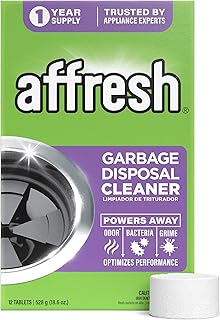
In this comprehensive guide, we'll dive deep into why your washer needs regular cleaning, how to use one of the most trusted products on the market, and answer all your burning questions. We'll focus on the effective use of products like the Washing Machine Cleaner with Odor Blasters, a popular choice known for its powerful formula designed to tackle the grime that household cleaners often miss.
Why Your Washing Machine Needs Regular Cleaning
Think about it: your washing machine's job is to clean. But what cleans the cleaner? Modern high-efficiency (HE) washers, while great for saving water and energy, use less water per cycle. This lower water volume is less effective at rinsing away all the soap scum, dirt, and minerals, leading to faster buildup. Front-loading washers are particularly prone to mildew around the door gasket, while top-loaders can have residue in the agitator or center column. Neglecting this appliance maintenance can lead to persistent odors, reduced washing efficiency, and even mechanical issues over time. Using a specialized cleaner is a proactive step in your overall laundry appliance maintenance routine.
How to Use Affresh Washing Machine Cleaner: A Step-by-Step Guide
Using a washing machine cleaner is straightforward, but following the right steps ensures maximum effectiveness. Here’s how to clean both top-load and front-load machines.
For Top-Load Washing Machines:
1. Prepare the Machine: Ensure the washer is empty. Remove any visible debris from the drum or dispensers.
2. Add the Cleaner: Place one Affresh tablet or the recommended amount of powder into the bottom of the washer drum. Do not put it in the detergent dispenser.
3. Run the Cycle: Set your washer to the hottest and longest water setting available (e.g., "Clean Washer" cycle, "Sanitize," or a heavy-duty cycle). For machines without a specific clean cycle, use a normal cycle with hot water. Do not add any laundry, detergent, or bleach.
4. Pause and Soak (Optional for Heavy Buildup): After the drum has filled and the cleaner has dissolved, you can pause the cycle and let the machine soak for 30-60 minutes before resuming. This allows the active ingredients more time to break down residue.
5. Complete the Cycle & Wipe Down: Let the cycle complete. Afterward, leave the lid or door open to allow the drum to air dry completely. Wipe down the inside of the lid, the agitator (if present), and the rubber gasket around the opening with a damp cloth.
For Front-Load Washing Machines:
The process is very similar, with extra attention paid to the door seal.
1. Prepare the Machine: Empty the washer. Pay special attention to the rubber door gasket (boot). Pull it back gently and wipe away any obvious mold, hair, or debris.
2. Add the Cleaner: Place one Affresh tablet into the drum, not the dispenser.
3. Run the Cycle: Select the "Clean Washer," "Tub Clean," or hottest water setting available. Start the cycle.
4. Clean the Gasket and Dispenser: While the cycle runs, mix a solution of equal parts water and white vinegar or a mild cleaner. Use a cloth or old toothbrush to thoroughly scrub the folds of the rubber door gasket and the detergent/softener dispenser tray. This is a critical step for front load washer cleaner routines.
5. Final Dry: Once the cycle finishes, wipe the drum and gasket with a dry cloth. Most importantly, leave the door and detergent dispenser open after every use to promote airflow and prevent mildew growth.
How Often Should You Clean Your Washing Machine?
Manufacturers and cleaning experts generally recommend cleaning your washing machine once a month. This frequency helps prevent odor-causing buildup before it becomes a severe problem. However, consider cleaning more often if you: do multiple loads daily, frequently wash in cold water (which doesn't dissolve residues as well), have hard water, or regularly wash heavily soiled items or pet bedding. Using an odor remover product proactively is better than reacting to a stinky machine.
What Makes Affresh Washing Machine Cleaner Effective?
Products like Affresh are formulated differently from laundry detergent. They contain powerful oxidizing agents and surfactants designed specifically to break down and dissolve the complex residues that detergent leaves behind—including fats, oils, and mineral deposits (like limescale). The "Odor Blasters" technology targets and neutralizes odor molecules rather than just masking them. This specialized formula makes it a more effective appliance cleaner for this specific task compared to using vinegar or bleach alone, which may not address all types of buildup and can potentially damage rubber seals with repeated use.
Common Questions About Using Washing Machine Cleaner
Can I use bleach instead of a washing machine cleaner?
While bleach is a powerful disinfectant and can kill mildew, it is not a complete cleaner. Bleach does not effectively break down the soap scum, mineral scale, and greasy residues that are the primary causes of odor and buildup. It also can be harsh on rubber seals and metal components over time. A dedicated cleaner is formulated for the full job.
My washer still smells after cleaning. What now?
If a single cleaning cycle doesn't eliminate a severe odor, repeat the process. Stubborn cases may require two consecutive cleanings. Also, double-check and manually scrub areas often missed: the detergent dispenser, the fabric softener cup, the drain pump filter (consult your manual), and every fold of the door gasket. Ensure you are leaving the door/lid open between uses.
Is it safe for all washing machines?
Yes, a high-quality top load washer cleaner and front-load formula like Affresh is designed to be safe for all washing machines, including HE (High-Efficiency) models. It will not harm the stainless steel, porcelain, or plastic components of your appliance when used as directed. Always check the product label for specific instructions.
Pro Tips for a Fresher Washing Machine
* Use the Right Amount of Detergent: Overusing detergent is a leading cause of buildup. Always measure according to the detergent's instructions and your load size/soil level. HE machines require HE detergent.
* Wipe Down After Use: Get into the habit of wiping the drum, gasket, and door glass with a dry cloth after your last load of the day.
* Don't Trap Moisture: Always leave the door/lid and detergent dispenser open after finishing laundry to allow the interior to dry out completely.
* Run Regular Clean Cycles: Don't wait for an odor to appear. Schedule a monthly cleaning with your chosen washing machine cleaner as part of your home maintenance routine.
* Clean Related Parts: Periodically remove and soak the detergent dispenser in hot, soapy water. Check your user manual for instructions on locating and cleaning the drain pump filter.
Conclusion: Make Cleaner Maintenance a Habit
A clean washing machine is the foundation of clean, fresh-smelling laundry. By incorporating a monthly cleaning with a powerful product designed for the task, you protect your investment, improve appliance efficiency, and ensure your clothes come out as fresh as intended. Whether you choose a tablet, powder, or liquid, the key is consistency. Starting a simple maintenance routine today with a reliable cleaner can eliminate odors tomorrow and keep your machine running smoothly for years to come.