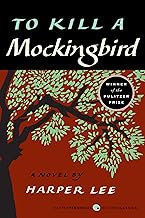
In the pantheon of American literature, few novels have captured the adolescent experience and the nation's social conscience as powerfully as Harper Lee's To Kill a Mockingbird and J.D. Salinger's The Catcher in the Rye. These two titans of the 20th-century canon are staples of the high school curriculum, yet they speak to readers of all ages with their timeless explorations of innocence, injustice, and the painful journey toward adulthood. While one is a Southern Gothic tale seen through the eyes of a young girl, and the other is an urban, first-person rant from a disaffected teenage boy, both novels have cemented their place as essential American classic novels. This deep dive explores their unique narratives, enduring themes, and the reasons they continue to resonate decades after publication.
Two Visions of Adolescence: Scout Finch vs. Holden Caulfield
The heart of both novels lies in their unforgettable young protagonists. In To Kill a Mockingbird, we experience the Depression-era South through Jean Louise "Scout" Finch. Her perspective is one of innate curiosity and a moral compass being shaped by her father, Atticus. Her coming-of-age story is one of learning to "climb into someone's skin and walk around in it"—a lesson in empathy that forms the novel's core. Her loss of innocence is directly tied to witnessing the racial injustice of Tom Robinson's trial.
In stark contrast, Holden Caulfield of The Catcher in the Rye is already deeply cynical, viewing the adult world as overwhelmingly "phony." His journey is an internal one, a spiral of alienation and mental anguish as he navigates New York City alone. While Scout's story is about understanding a flawed world through guidance, Holden's is a desperate, lonely rebellion against it. Both characters, however, serve as powerful lenses for critiquing societal hypocrisy, making them perennial figures in high school required reading lists.
Core Themes: Justice, Innocence, and the "Phony" World
Moral Courage and Social Justice in To Kill a Mockingbird
Harper Lee's masterpiece is fundamentally a novel about moral education and racial injustice. The trial of Tom Robinson is its dramatic centerpiece, where Atticus Finch embodies the courage to stand for what is right in the face of overwhelming prejudice and community pressure. The theme of protecting the innocent—the "mockingbirds" of the title like Tom Robinson and Boo Radley—is a powerful, enduring message. This exploration of ethics in a corrupt system is a key reason the novel won the Pulitzer Prize and remains a touchstone for discussions about race and morality.
Alienation and the Preservation of Innocence in The Catcher in the Rye
Salinger's novel, while not dealing directly with institutional injustice, is a profound study of psychological and social alienation. Holden's famous desire to be "the catcher in the rye," saving children from falling off a cliff into the phoniness of adulthood, mirrors Atticus's protection of mockingbirds but from a place of trauma and despair. The Catcher in the Rye delves into themes of grief, mental health, and the crushing pressure to conform, speaking directly to the angst and confusion of teenage life in a way that was revolutionary for its time.
Literary Style and Enduring Impact
The stylistic differences between the two novels are as pronounced as their themes. Lee's work is a beautifully crafted Southern Gothic narrative, rich with setting and supported by a cast of memorable characters like Calpurnia and Miss Maudie. Its warmth and humor balance its serious subject matter. Salinger's innovation was Holden's unique, conversational, and deeply subjective voice—full of slang, hyperbole, and repetition. This stream-of-consciousness style created an immediate, intimate connection with the reader, making Holden's pain palpably real.
Both novels have faced censorship challenges, yet their impact is undeniable. To Kill a Mockingbird is often cited as a book that changed how America viewed its own conscience. Salinger's novel became the definitive voice of teenage rebellion and disillusionment, influencing countless writers and artists. Their status as Modern Library favorites is a testament to their literary quality and cultural significance.
Why These Novels Are Paired in Education
Educators pair To Kill a Mockingbird and The Catcher in the Rye because they offer complementary studies in narrative voice, theme, and historical context. Reading them together allows students to compare two distinct but equally valid portrayals of America. One provides a historical lens on systemic injustice, while the other offers a timeless, psychological portrait of individual crisis. They are foundational texts for understanding character development, symbolism (the mockingbird, the ducks in Central Park, the red hunting cap), and the use of fiction to explore complex social and personal issues.
Conclusion: Two Sides of the American Coin
Ultimately, Harper Lee's novel and The Catcher in the Rye are not in competition; they are in conversation. One looks outward at society's flaws with a hopeful call for empathy and justice. The other looks inward at the individual's struggle with authenticity and pain. Together, they form a more complete picture of the 20th-century American experience—the public fight for morality and the private battle for identity. Whether you are revisiting these classics or encountering them for the first time, their power to challenge, move, and inspire remains undiminished, securing their legacy for generations of readers to come.


