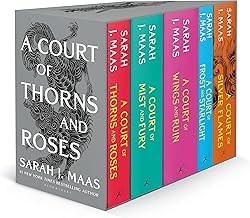
For devoted readers of the A Court Of Thorns And Roses Series, the arrival of the fourth book, A Court of Frost and Starlight, marked a significant and intriguing shift. Following the epic, world-altering conclusion of the initial trilogy in A Court of Wings and Ruin, this novel serves not as a direct sequel, but as a poignant and necessary bridge. It's a "novella" that offers a deep, character-driven breath amidst the high-stakes fantasy, focusing on healing, celebration, and the quiet moments that define a found family in the aftermath of war. Understanding this book's unique place is key to appreciating the full scope of Sarah J. Maas's beloved ACOTAR series.
The Unique Role of a "Bridge" Novel
Unlike its predecessors, which were driven by sprawling plots, looming threats, and monumental battles, A Court of Frost and Starlight operates on a more intimate scale. Its primary function is to transition the narrative and the characters from one major story arc to the next. The war is over, but the work of rebuilding—both physically and emotionally—has just begun. This book allows readers to witness the Fae courts, particularly the Night Court, in a state of fragile peace. It explores the psychological aftermath of trauma on characters like Feyre, Rhysand, and their inner circle, making their victories in the previous books feel earned and their futures more compelling. For fans of fantasy romance, this shift provides a richer, more nuanced understanding of the relationships at the heart of the story.
Character Development in the Aftermath
The core strength of A Court of Frost and Starlight lies in its deep dive into character psyche. We see Feyre Archeron grappling with her new roles as High Lady, mate, and artist, seeking purpose beyond the battlefield. Rhysand, while still the powerful and cunning High Lord, reveals the weight of his responsibilities and his unwavering dedication to his court and his mate. The book also grants precious points of view from other fan-favorite characters, including Cassian, Nesta, and Azriel, offering tantalizing glimpses into their unresolved tensions and personal struggles. This focus solidifies the ACOTAR series as a character epic as much as a fantasy one. The exploration of Nesta's profound trauma and isolation, in particular, sets the direct stage for her own journey in the subsequent novels, making this book essential context.
Themes of Healing, Family, and Celebration
Set against the backdrop of the Winter Solstice—a time of gift-giving and light in the darkness—the novel is steeped in themes of recovery and connection. The simple acts of preparing for a holiday, shopping in Velaris, and sharing meals become powerful symbols of normalcy regained. It highlights the "found family" trope that is central to the series' appeal, showing the Inner Court's bonds being tested and strengthened not by external enemies, but by internal grief and the challenge of moving forward. This thematic focus provides a satisfying emotional payoff for readers who have invested in these characters' relationships throughout the earlier, more action-packed books.
Why A Court of Frost and Starlight is Essential Reading
Some readers may wonder if this quieter entry is skippable. The answer, for any serious fan of the A Court Of Thorns And Roses Series, is a resounding no. Firstly, it contains crucial narrative threads and character developments that directly impact the plots of A Court of Silver Flames and beyond. The state of Nesta and Cassian's relationship, the dynamics within the Night Court, and the political landscape are all established here. Secondly, it enhances the re-read value of the entire series, adding layers of meaning to the characters' actions in the original trilogy. Finally, it showcases Sarah J. Maas's range as an author within the new adult fantasy genre, proving she can deliver profound emotional resonance without constant magical conflict.
Connecting to the Broader ACOTAR Universe
A Court of Frost and Starlight acts as the crucial linchpin between the Feyre-centric trilogy and the expanding universe that follows. It gently shifts the focus, preparing the reader for stories that center on other members of the sprawling cast. By spending time in the heads of characters like Cassian and Azriel, Maas builds anticipation for their future roles. The book also reinforces the enchanting setting of Velaris, the City of Starlight, making it feel like a true home worth protecting. This deepening of the world-building is a hallmark of great Fae romance and fantasy series, ensuring the world feels lived-in and real beyond the main plot's exigencies.
Final Verdict: A Necessary Pause in an Epic Saga
In conclusion, A Court of Frost and Starlight is far more than a simple holiday novella or a collection of deleted scenes. It is a vital, therapeutic installment in the ACOTAR series. It provides the emotional closure for the war arc that the battle itself could not, and it lays the essential groundwork for the future of Prythian. For readers who cherish character depth, relational dynamics, and the quiet strength of recovery, this book is a standout. It may have a different pace than A Court of Mist and Fury or A Court of Wings and Ruin, but its contribution to the heart and soul of Sarah J. Maas's epic A Court of Thorns and Roses universe is immeasurable. It is the deep breath before the next plunge, and every moment is worth savoring.