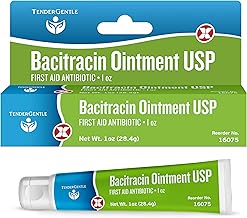
Bacitracin is a name you've likely seen on the shelf of your local pharmacy, nestled among other first-aid staples. As a topical antibiotic ointment, it's a go-to for millions to prevent infection in minor cuts, scrapes, and burns. But what exactly is Bacitracin, how does it work, and is it always the best choice? This comprehensive guide delves into the science, uses, and important considerations surrounding this common medication, helping you make informed decisions about your skin health.
What is Bacitracin?
Bacitracin is a polypeptide antibiotic derived from the bacterium *Bacillus subtilis*. Discovered in 1945, it works by interfering with the cell wall synthesis of bacteria, effectively stopping their growth and multiplication. It is primarily effective against gram-positive bacteria, such as *Staphylococcus* and *Streptococcus* species, which are common culprits in skin infections. It is rarely used systemically (inside the body) due to potential kidney toxicity, but its topical form is considered safe and effective for superficial skin issues. You can find it as a single-ingredient ointment or, more commonly, combined with other antibiotics like neomycin and polymyxin B in products often labeled as "triple antibiotic ointment." For a deeper look at its specific formulations and applications, explore our dedicated resource on Bacitracin.
Common Uses of Bacitracin Ointment
The primary use of Bacitracin is to prevent minor skin infections. It creates a protective barrier over the wound while delivering its antibacterial action. Common scenarios for its use include:
- Minor Cuts and Scrapes: Applying a thin layer after cleaning the wound can help prevent bacterial contamination.
- Small Burns: For first-degree burns and small second-degree burns, it can guard against infection.
- Abrasions: Road rash or other superficial wounds benefit from its protective and antimicrobial properties.
- Preventing Infection in Sutured Wounds: Sometimes recommended by doctors for post-surgical care of minor stitches.
It's crucial to remember that Bacitracin is for prevention, not treatment of established infections. Signs of an existing infection (increasing redness, swelling, pus, fever) require a doctor's evaluation.
Potential Side Effects and Risks
While generally safe, Bacitracin is not without risks. The most significant concern is allergic contact dermatitis. This skin reaction can cause the area to become red, itchy, swollen, or even blister—ironically mimicking an infection. Studies suggest Bacitracin is one of the most common causes of medicament-related contact dermatitis. Other considerations include:
- Antibiotic Resistance: Overuse or misuse of any antibiotic, even topical ones, can contribute to the global problem of antibiotic-resistant bacteria.
- Not for Deep or Serious Wounds: It is ineffective for puncture wounds, animal bites, or severe burns, which need professional medical attention.
- Not for Eyes or Ingestion: Bacitracin is for external use only. Contact with eyes or mucous membranes can cause irritation.
If you experience a worsening rash after applying any ointment, discontinue use and consult a healthcare provider. Learning about these nuances is part of responsible Bacitracin use.
Bacitracin vs. Other Topical Antibiotics: When to Choose What?
Bacitracin isn't the only player in the field. Understanding the alternatives can help you choose the right product.
- Bacitracin vs. Neosporin (Triple Antibiotic): Neosporin contains bacitracin, neomycin, and polymyxin B, giving it a broader spectrum against both gram-positive and gram-negative bacteria. However, neomycin has a notably high rate of allergic reactions itself.
- Bacitracin vs. Polysporin (Double Antibiotic): Polysporin typically contains only bacitracin and polymyxin B, omitting the high-allergy-risk neomycin, making it a preferred choice for many dermatologists for routine wound care.
- Bacitracin vs. Mupirocin (Bactroban): Mupirocin is a prescription-strength topical antibiotic often used for specific infections like impetigo or MRSA colonization. It is not typically used for simple wound prevention.
- Bacitracin vs. Plain Petroleum Jelly (Vaseline): For simple, clean cuts, studies have shown that keeping a wound moist with plain petroleum jelly is equally effective at preventing infection and may actually promote better healing with a lower risk of allergic reaction.
For many minor wounds, a simple Bacitracin ointment or its double-antibiotic variant is sufficient. However, if you have a history of skin sensitivities, plain petroleum jelly might be the smarter, hypoallergenic choice.
Proper Application and Wound Care Best Practices
Using Bacitracin correctly maximizes its benefits and minimizes risks. Follow these steps:
- Clean the Wound: Gently wash the area with mild soap and cool water to remove debris and bacteria. Pat dry with a clean cloth.
- Apply a Thin Layer: Use a clean cotton swab or gauze to apply a small amount of ointment directly to the wound. A little goes a long way.
- Cover if Necessary: For wounds in areas prone to dirt or friction, cover with a sterile bandage or gauze. Change the dressing daily or if it becomes wet or dirty.
- Frequency: Apply 1 to 3 times daily, as directed on the product label or by your doctor.
- Know When to Stop: Once a scab has formed and new skin is growing, usually after a few days, you can often stop applying the antibiotic ointment.
Proper wound care is the foundation. The antibiotic is an adjunct, not a substitute for cleanliness. Our Bacitracin tag page offers further insights into integrated care approaches.
Frequently Asked Questions About Bacitracin
Can I use Bacitracin on my face?
While it can be used on facial cuts, the skin on the face is more sensitive and prone to allergic reactions. Use sparingly and discontinue if any irritation occurs. For acne, it is not effective and should not be used.
Is Bacitracin safe during pregnancy or breastfeeding?
Topical Bacitracin is generally considered low-risk during pregnancy and breastfeeding because minimal amounts are absorbed into the bloodstream. However, always consult your obstetrician or pediatrician before using any medication during these periods.
How long does a tube of Bacitracin last?
An unopened tube typically has a shelf life of 2-3 years. Once opened, it's best to discard it after one year to ensure potency and avoid contamination. Do not use if the color or consistency has changed.
What should I do if I think I'm having an allergic reaction?
Stop using the product immediately. Gently wash the area with soap and water to remove any residual ointment. If the reaction is severe (widespread rash, difficulty breathing), seek emergency medical attention. For mild reactions, an over-the-counter hydrocortisone cream may help, but consult a pharmacist or doctor.
Conclusion: Making an Informed Choice for Skin Health
Bacitracin remains a valuable tool in home first-aid kits for preventing infection in minor wounds. Its long history of use is a testament to its efficacy against common skin bacteria. However, awareness of its limitations—particularly the risk of contact allergy and the rise of antibiotic resistance—is essential. For many clean, minor wounds, the humble alternative of plain petroleum jelly may be equally effective and safer for those with sensitive skin. The key is to prioritize proper wound cleansing, understand the signs of infection that require a doctor's visit, and choose your topical products wisely. By educating yourself on options like Bacitracin, you empower yourself to take the best possible care of your skin.


