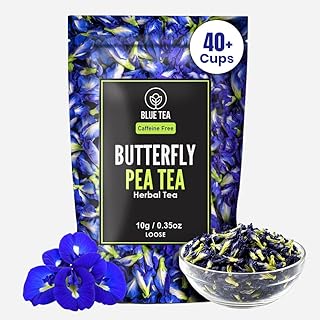
In a world increasingly drawn to natural wellness and visually stunning cuisine, one ingredient has gracefully fluttered from the gardens of Southeast Asia to the global stage: Butterfly Pea Tea. Known scientifically as *Clitoria ternatea*, this vibrant blue flower isn't just a feast for the eyes. For centuries, it has been revered in Ayurvedic and traditional medicine, and today, it's celebrated as a versatile superfood and the ultimate natural colorant. This deep dive explores the journey of butterfly pea flower from ancient remedy to modern pantry staple, unpacking its benefits, uses, and the simple joy of brewing a cup that changes color before your eyes.
A Blossom Steeped in History: The Origins of Butterfly Pea Tea
The story of butterfly pea tea begins in the tropical regions of Southeast Asia, where the climbing vine with its striking azure flowers has thrived for millennia. Historical records and traditional practices point to its extensive use in ancient Ayurvedic medicine, where it was known as "Aparajita" and prized for its purported cognitive-enhancing properties. It was traditionally consumed to improve memory, reduce stress, and as a general tonic for overall well-being. Beyond the subcontinent, the flower found its place in Thai, Malaysian, and Vietnamese folk medicine and cuisine, often used to color sticky rice and desserts long before synthetic dyes were invented. This rich heritage forms the foundation of its current status, connecting modern consumers to a timeless tradition of natural healing.
Unlocking the Science: Health Benefits of Butterfly Pea Flower
While traditional wisdom praised the butterfly pea flower, contemporary science is beginning to validate many of these claims, revealing a profile rich in beneficial compounds. The most visually obvious component is a group of antioxidants called anthocyanins—the same compounds found in blueberries and red cabbage—which give the tea its mesmerizing blue hue. These anthocyanins are powerful antioxidants, helping to combat oxidative stress and inflammation in the body.
Preliminary research and centuries of anecdotal evidence suggest several potential health benefits. It is often sought for its nootropic, or brain-boosting, effects, potentially aiding memory and cognitive function. Its adaptogenic properties may help the body manage stress more effectively. Furthermore, its anti-inflammatory and antioxidant profile supports overall vitality and wellness. As a caffeine-free herbal tea, it offers a calming, healthful alternative to traditional black or green teas, making it suitable for any time of day. It's important to note that while promising, more extensive human studies are needed, and it should complement, not replace, a balanced diet and medical advice.
More Than Just a Drink: The Magic of Natural Food Coloring
The most enchanting property of butterfly pea tea is its chameleon-like ability to change color. A brew made from the dried flowers starts as a deep, cobalt blue. Introduce an acidic element like lemon juice, and it transforms magically into vibrant shades of purple, lavender, or even pink. This isn't just a party trick; it's a chemist's dream for the home cook and mixologist.
This makes it an exceptional, completely natural food coloring. Unlike artificial dyes, it adds no unwanted flavors and comes with the bonus of antioxidants. Imagine serving a brilliant blue latte, a purple-hued gin fizz, or pastel-colored frosting that you created naturally. The possibilities for creative, Instagram-worthy, and health-conscious cooking and baking are virtually endless. From coloring rice and noodles to creating stunning cocktails and vibrant smoothie bowls, butterfly pea flower empowers you to add a splash of natural color to your culinary creations.
Choosing Quality: What to Look for in Butterfly Pea Tea
Not all butterfly pea teas are created equal. The potency of color, flavor, and nutritional value depends heavily on sourcing and processing. For the best experience, seek out products that are:
- Pure and Natural: The ingredient list should contain one item: dried butterfly pea flowers. Avoid blends with fillers or artificial additives if you're seeking pure color and benefit.
- Non-GMO & Sustainably Sourced: Opting for a verified non-GMO tea ensures you're getting a product cultivated with natural integrity. Responsible sourcing also supports ecological balance and farming communities.
- Vibrant Color: High-quality, premium dried tea flowers retain their deep blue pigment. They should appear whole or in large pieces, not as a dull, dusty powder, which can indicate age or poor processing.
For those ready to explore, a product like TeeLux's offering exemplifies these qualities. Their premium dried butterfly pea flower provides the pure, vibrant base needed for both potent tea and stunning purple drinks.
Your Guide to Brewing and Enjoying Butterfly Pea Tea
Brewing the perfect cup of blue tea is simple, but a few tips can elevate your experience. For a hot tea, use about 5-7 dried flowers per cup (8 oz) of hot water. The ideal water temperature is just below boiling, around 190-200°F (88-93°C), to preserve the delicate compounds. Steep for 3-5 minutes, watching the color intensify. The longer you steep, the deeper the blue and the more earthy the flavor becomes, which is often described as mildly floral and woody, similar to green tea but gentler.
For iced tea or a color-changing base for cocktails, brew a stronger concentrate using more flowers and less water. Let it cool, then pour over ice. The real fun begins when you add citrus. Squeeze a lemon or lime wedge into your blue tea and watch the science of pH in action as it shifts to purple. Sweeten with honey, agave, or simple syrup to balance any earthy notes.
Creative Culinary Adventures with Butterfly Pea Flower
Move beyond the teacup and let your creativity flow. Here are a few ideas to incorporate this natural wonder into your kitchen:
- Magic Lemonade: Make a strong butterfly pea tea concentrate, chill it, and mix with fresh lemonade. Serve it blue and let guests stir to reveal a purple transformation.
- Colorful Rice and Noodles: Use the brewed tea (instead of water) to cook rice, quinoa, or pasta for a stunning blue base for bowls and salads.
- Vibrant Baking: Incorporate finely ground flowers or cooled tea into cake batters, cookie dough, or frosting for natural blue and purple hues.
- Signature Cocktails & Mocktails: Create a butterfly pea simple syrup by simmering equal parts sugar and water with a handful of flowers. Use this syrup to add color and a subtle flavor to margaritas, mojitos, or sparkling mocktails.
Embracing a Natural, Colorful Lifestyle
Butterfly Pea Tea represents more than a trend; it's a return to mindful, natural ingredients. It bridges the gap between ancient wellness practices and modern culinary artistry. Whether you are a health enthusiast seeking a caffeine-free antioxidant boost, a home cook looking to eliminate artificial dyes, or simply someone who appreciates the simple magic of a color-changing beverage, this remarkable flower has something to offer. By choosing high-quality, pure sources like responsibly harvested dried flowers, you invite a piece of botanical wonder into your daily ritual, proving that sometimes, the most extraordinary things come in the most beautifully simple, natural packages.

![Butterfly pea flower tea loose leaf (375+ Cups) [ 4.4 Ounces Oz] Dried butterfly pea flowers blue tea](https://m.media-amazon.com/images/I/81Sd+Bf-SaL._AC_UL320_.jpg)