Every home chef and cooking enthusiast knows that a well-maintained wood cutting board is more than just a kitchen tool—it's an investment in culinary excellence and kitchen safety. The secret to preserving that beautiful butcher block or bamboo board lies in proper conditioning, and at the heart of this maintenance ritual is a simple yet powerful product: mineral oil. Specifically, food-grade mineral oil has become the gold standard for wood care in kitchens worldwide, offering protection without compromising food safety.
In this comprehensive guide, we'll explore everything you need to know about using mineral oil for your wood cutting boards. From understanding why it's superior to other oils to mastering the application process, you'll discover how this humble product can transform your kitchen maintenance routine and extend the life of your wooden surfaces for years to come.
Why Food Grade Mineral Oil Is Essential for Wood Cutting Boards
Wood is a porous material that naturally absorbs moisture from food, cleaning processes, and the environment. Without proper protection, this absorption leads to cracking, warping, and bacterial growth within the wood fibers. This is where mineral oil performs its magic. Unlike vegetable oils that can turn rancid or drying oils that harden completely, food-grade mineral oil remains stable, doesn't spoil, and penetrates deep into wood fibers to create a protective barrier.
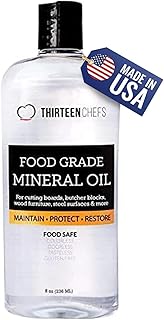
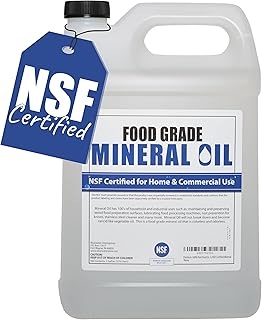
The key distinction lies in the "food grade" designation. Regular mineral oil might contain additives or impurities unsuitable for food contact surfaces. Food-grade mineral oil, like the Howard Products Food Grade Mineral Oil, is highly refined, odorless, tasteless, and certified safe for incidental food contact. This makes it ideal not just for cutting boards but for all wooden kitchen utensils, salad bowls, and countertops.
The Science Behind Mineral Oil Wood Protection
Understanding how mineral oil works helps appreciate its value in cutting board maintenance. When applied to dry wood, the oil molecules are small enough to penetrate the microscopic pores and cell structures. Once inside, they fill these spaces, creating a hydrophobic (water-repelling) barrier that prevents moisture absorption. This barrier serves three crucial functions:
- Prevents Cracking and Warping: By stabilizing moisture content, the wood expands and contracts less with environmental changes
- Creates a Sanitary Surface: Sealed pores are less likely to harbor bacteria from food particles
- Enhances Natural Beauty: The oil brings out the wood's grain and color while providing a smooth, non-stick surface
This protective mechanism is why professional chefs and woodworkers consistently recommend mineral oil over alternatives like olive oil, coconut oil, or commercial wood finishes that may contain toxic chemicals.
How to Properly Apply Mineral Oil to Your Cutting Board
Proper application is crucial for effective protection. Here's our step-by-step guide to conditioning your wood cutting board with food grade mineral oil:
Step 1: Clean and Dry Thoroughly
Start with a completely clean board. Wash with mild soap and warm water, then rinse thoroughly. Allow the board to air dry completely—this typically takes 24 hours in a well-ventilated area. Never apply oil to damp wood, as this traps moisture and can lead to mold growth.
Step 2: Apply Generous Amounts of Oil
Pour a generous amount of mineral oil directly onto the wood surface. Using a clean, soft cloth or paper towel, spread the oil evenly across the entire surface, including the sides and edges. Don't be conservative—the wood should look saturated and darken slightly as it absorbs the oil.
Step 3: Let It Soak Overnight
Allow the oil to penetrate for at least 4-6 hours, though overnight is ideal. Place the board on a rack or raised surface with something underneath to catch any excess oil that drips off. This extended soaking time ensures deep penetration rather than just surface coating.
Step 4: Wipe Off Excess and Buff
After soaking, wipe off any remaining surface oil with a clean cloth. Give the board a final buff to remove any residue and create a smooth finish. Your board is now ready for use, with significantly enhanced protection against moisture and wear.
Frequency of Application: Creating a Maintenance Schedule
How often should you oil your cutting board? The answer depends on usage, but here are general guidelines:
- New Boards: Apply oil daily for the first week, then weekly for a month to build a strong foundation
- Regular Maintenance: Once a month for frequently used boards, or whenever the wood looks dry and pale
- Seasonal Care: In dry climates or winter months when indoor heating reduces humidity, increase frequency to every 2-3 weeks
- Signs It's Time: Water no longer beads on the surface, wood appears lighter in color, or you notice increased absorption during cleaning
For those serious about kitchen maintenance, marking your calendar for monthly conditioning ensures your boards remain in optimal condition year-round.
Common Mistakes to Avoid with Mineral Oil Application
Even with the best intentions, people often make these errors when using mineral oil for wood care:
Mistake 1: Using Non-Food-Grade Products
Never use industrial mineral oil or non-food-grade products on surfaces that contact food. These may contain impurities or additives that could leach into your food. Always verify that your mineral oil is specifically labeled "food grade" or "USP grade."
Mistake 2: Applying Too Thinly
A light coating might make the wood look temporarily better, but it won't provide adequate protection. The wood should appear thoroughly saturated during application. With products like the Howard Products Food Grade Mineral Oil, the 12-ounce size provides enough for multiple thorough applications.
Mistake 3: Not Allowing Proper Drying Time
Rushing the process by using the board too soon after oiling prevents proper absorption and creates a sticky surface. Always allow the recommended soaking time before wiping excess and using the board.
Mistake 4: Mixing with Other Oils
Some people create homemade blends with beeswax or other oils. While these can work, they change the properties of the mineral oil and may affect food safety. For pure protection, use mineral oil alone, especially on surfaces with direct food contact.
Beyond Cutting Boards: Other Kitchen Uses for Food Grade Mineral Oil
While cutting boards are the most common application, food-grade mineral oil has numerous other uses in your kitchen and home:
- Wooden Utensils: Spoons, spatulas, and salad servers benefit from the same protection
- Butcher Blocks and Countertops: Maintain these larger surfaces with regular oiling
- Salad Bowls and Serving Boards: Keep decorative pieces looking beautiful and functional
- Cast Iron Seasoning: Some cooks use it as an alternative to vegetable oils for seasoning cast iron
- Preventing Rust: A thin coat on tools and kitchen equipment prevents corrosion
This versatility makes a bottle of wood conditioner like food-grade mineral oil a valuable multi-purpose product in any kitchen.
Comparing Mineral Oil to Alternative Wood Conditioners
When considering wood care products, how does mineral oil compare to other options?
Mineral Oil vs. Vegetable Oils (Olive, Coconut, etc.)
Vegetable oils seem like natural alternatives but have significant drawbacks. They can turn rancid over time, creating unpleasant odors and potentially harmful bacteria. They also don't polymerize (harden) effectively, leaving a sticky residue. Mineral oil remains stable indefinitely and creates a better moisture barrier.
Mineral Oil vs. Commercial Wood Finishes
Polyurethane, varnish, and lacquer create durable finishes but contain chemicals unsuitable for food contact. Even when fully cured, these finishes can chip into food. Food-grade mineral oil is completely food-safe, even if small amounts transfer to food during cutting.
Mineral Oil vs. Specialty Board Creams and Waxes
Many commercial board creams combine mineral oil with beeswax. While these can provide excellent protection, pure butcher block conditioner like food-grade mineral oil allows for deeper penetration before adding wax-based products for surface sealing.
Safety Considerations and Best Practices
While food-grade mineral oil is generally recognized as safe, follow these guidelines for optimal safety:
- Always purchase from reputable sources that specifically label their product as "food grade"
- Store in a cool, dry place away from food preparation areas to avoid confusion
- Use separate applicator cloths for mineral oil versus other kitchen cleaning tasks
- Dispose of oil-soaked rags properly to prevent spontaneous combustion (though risk is low with mineral oil)
- If using on items for people with severe allergies, ensure no cross-contamination occurs during application
The Howard Products Food Grade Mineral Oil meets all safety standards for kitchen use, providing peace of mind along with superior protection.
Expert Tips for Maximizing Your Mineral Oil Results
After years of testing various wood care approaches, here are our professional recommendations:
Temperature Matters
Warm oil penetrates better than cold oil. If your mineral oil has been in a cold garage or basement, let it reach room temperature before application, or gently warm it by placing the bottle in warm water (never microwave).
The "Drip Test" for Maintenance Timing
Sprinkle a few drops of water on your board. If they bead up, your protection is still good. If they soak in immediately, it's time for another oil application. This simple test takes the guesswork out of maintenance scheduling.
Seasonal Deep Conditioning
Consider giving your boards a "spa day" with extended oil soaking during seasonal changes, particularly when moving from humid to dry seasons. Apply oil, wrap the board in plastic wrap, and let it sit for 24-48 hours before wiping clean.
Addressing Existing Damage
For boards with minor cracks or excessive dryness, sand lightly with fine grit sandpaper (220+ grit) before oiling to open the wood pores for better absorption. Always sand with the grain and clean thoroughly before applying mineral oil.
Conclusion: Investing in Long-Term Wood Care
Proper maintenance with food-grade mineral oil transforms wood cutting boards from disposable items into lifelong kitchen companions. The small investment of time and product pays dividends in extended board life, enhanced food safety, and preserved natural beauty. Whether you're caring for a cherished family heirloom board or maintaining your everyday workhorse, regular conditioning with a quality product like Howard Products Food Grade Mineral Oil ensures your wooden surfaces remain functional, beautiful, and safe for all your culinary creations.
Remember that consistent care beats occasional intensive treatments. By incorporating mineral oil application into your regular wood care routine, you'll enjoy the benefits of well-maintained wood for years to come. Your cutting boards will thank you with improved performance and longevity, making every meal preparation a pleasure rather than a chore.