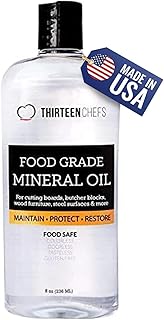
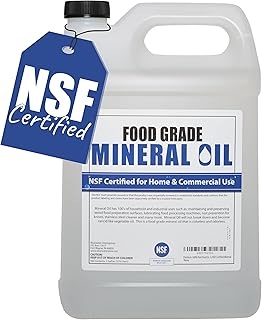
When it comes to maintaining a safe and functional kitchen, few products are as versatile and essential as Mineral Oil. Specifically, food-grade mineral oil is a cornerstone of proper kitchen hygiene and equipment longevity. This clear, odorless, and tasteless oil is derived from petroleum but is highly refined to be non-toxic and safe for incidental food contact. Its primary role is to create a protective barrier on porous surfaces, most notably wood, preventing water absorption, bacterial growth, and cracking. Whether you're a home cook cherishing a handcrafted cutting board or a professional chef maintaining a fleet of stainless steel equipment, understanding how to use this oil correctly is paramount. This guide will delve deep into its applications, benefits, and best practices, moving beyond basic care to professional-grade maintenance.
Many people reach for the first oil they find in their pantry, like olive or vegetable oil, for wood conditioning. This is a critical mistake. Unlike food-grade mineral oil, plant-based oils can turn rancid over time, leaving an unpleasant odor and creating a sticky, bacteria-friendly surface on your cutting board or butcher block. The key distinction lies in the refinement process and molecular stability. Food-grade mineral oil is inert; it does not oxidize or spoil. This makes it the only safe choice for surfaces that come into direct contact with food. For a reliable and high-quality option specifically formulated for kitchen use, consider products like the UltraPro Food Grade Mineral Oil. Its gallon size is ideal for both frequent home use and professional settings, ensuring you always have a safe, effective conditioner on hand.
Core Applications: Where and How to Use Food Grade Mineral Oil
The utility of food-grade mineral oil extends far beyond a simple wood conditioner. Its water-repellent and lubricating properties make it indispensable across the kitchen and workshop.
1. Wood Care and Protection (Cutting Boards & Butcher Blocks)
This is the most celebrated use. A well-maintained wooden cutting board is not just beautiful; it's safer. Dry wood develops micro-cracks where moisture and bacteria can thrive. Regular application of mineral oil seals the grain. To condition a board, clean it thoroughly and let it dry completely. Apply a generous amount of oil with a soft cloth, working it into the wood on all sides, including the edges. Let it soak in for several hours or overnight, then wipe off any excess. For a new board or a severely dried-out one, repeat this process 2-3 times over consecutive days. This process falls under effective wood protection oil strategies. For a dedicated product, a cutting board oil like UltraPro ensures optimal absorption and protection without any harmful additives.
2. Butcher Block Countertop Maintenance
Butcher block countertops require a more robust regimen due to constant exposure to moisture, heat, and food acids. They benefit immensely from a specialized butcher block conditioner, which often contains a blend of food-grade mineral oil and natural waxes like beeswax for a harder, more durable finish. The oil penetrates to protect, while the wax sits on the surface for added water resistance. Apply conditioner every month or as soon as water stops beading on the surface. This not only preserves the wood but also maintains its food-safe status.
3. Kitchen Tool and Knife Maintenance
Carbon steel knives and kitchen tools are prone to rust. A thin, almost imperceptible coat of food-grade mineral oil on the blade after cleaning and drying creates a protective barrier against humidity. This is a crucial step in knife and tool maintenance. Similarly, the hinges and moving parts of kitchen shears, can openers, or meat grinders can be lubricated with a drop of oil to ensure smooth operation and prevent corrosion. Always wipe away any excess to avoid contaminating food.
4. Stainless Steel and Equipment Care
While stainless steel is resistant to rust, it's not immune to water spots, mineral deposits, or sticking—especially in appliances like food processors or mixers. Using a stainless steel lubricant like food-grade mineral oil on moving parts (following manufacturer guidelines) reduces friction and wear. A light coat on the exterior can also make it easier to clean off fingerprints and splatters, acting as a temporary protective film.
5. General Household and Workshop Uses
Its role as a non-toxic lubricant makes it safe for use on children's wooden toys, wooden utensil handles, and even as a way to loosen rusty bolts or squeaky hinges in areas where chemical lubricants are undesirable. The overarching theme for all these uses is proactive kitchen equipment care, preserving your investments and ensuring a hygienic cooking environment.
Why Food-Grade is Non-Negotiable: Safety and Purity
The term "food-grade" is regulated and signifies that the mineral oil meets strict purity standards set by organizations like the FDA (in the U.S.) or NSF for incidental food contact. It contains no additives, fragrances, or contaminants that could leach into food. Industrial or technical-grade mineral oils may contain impurities and are absolutely not safe for kitchen use. Always verify the label states "Food Grade" or "USP" (United States Pharmacopeia) grade. This purity is what makes it the gold standard for food-grade mineral oil applications.
Step-by-Step Guide: How to Apply Mineral Oil Like a Pro
Proper application is key to effectiveness. Here’s a professional method for treating a wooden cutting board, which can be adapted for other items:
- Clean & Dry: Wash the board with hot, soapy water. Rinse and let it air-dry completely for at least 24 hours in a well-ventilated area. Any trapped moisture will be sealed in by the oil, leading to mold.
- Apply Generously: In a well-ventilated space, pour a pool of mineral oil onto the center of the board. Using a clean, lint-free cloth or paper towel, spread the oil evenly across the entire surface, following the wood grain. Don't forget the sides and edges.
- Soak: Allow the oil to penetrate for a minimum of 4-6 hours. For best results, leave it overnight. You may see dry spots appear as the wood drinks in the oil; you can add more to these areas.
- Remove Excess: After soaking, wipe the board vigorously with a clean, dry cloth to remove any oil that hasn't absorbed. A slick surface is undesirable and can feel greasy.
- Cure: Let the board sit for another 12-24 hours before using it. This allows the oil to fully cure within the wood fibers.
Frequency: For frequently used boards, oil them once a month. For lighter use, every 2-3 months is sufficient. The "water test" is a good indicator: sprinkle a few drops of water on the board. If it beads up, the finish is good. If it soaks in, it's time to re-oil.
Common Mistakes and How to Avoid Them
Even with a simple product, errors can compromise your kitchenware's safety and lifespan.
- Using Cooking Oils: As mentioned, never use olive, vegetable, or coconut oil. They will spoil.
- Insufficient Drying Time: Applying oil to damp wood is the fastest way to trap moisture and cause warping or mold.
- Not Re-Oiling Often Enough: Wood needs regular maintenance. Letting it become parched makes it more susceptible to damage.
- Using the Wrong Product: Avoid "mineral oil" sold for laxative purposes, as it may contain vitamins or other additives. Stick to products marketed for kitchen or wood care, like the UltraPro gallon, which is explicitly for lubricating and protecting.
- Neglecting All Surfaces: Remember to oil all sides of a board or block to maintain even moisture content and prevent warping.
Beyond the Kitchen: The Versatility of a Gallon
Purchasing food-grade mineral oil in a one-gallon container, such as the UltraPro option, is not only economical but also practical for anyone serious about maintenance. A gallon allows you to:
- Treat multiple large cutting boards and countertops regularly without worry.
- Maintain a workshop full of wooden tools and tool handles.
- Use it as a safe lubricant for household items without needing multiple specialized products.
- Ensure you always have enough for a deep conditioning treatment when needed.
Having a dedicated supply encourages consistent care, which is the hallmark of a well-maintained kitchen. Proper kitchen equipment care with the right products saves money in the long run by extending the life of your valuable tools and surfaces.
Conclusion: An Essential for a Healthy Kitchen
Food-grade Mineral Oil is more than just a conditioner; it's a fundamental component of a safe, durable, and professional-grade kitchen. By creating a stable, non-toxic barrier, it protects your investment in woodenware and keeps metal tools functioning smoothly. Understanding its correct applications—from being the ideal cutting board oil to a reliable stainless steel lubricant—empowers you to maintain your equipment properly. Avoid common pitfalls by using the right product, like a purpose-formulated food-grade mineral oil, applying it correctly, and maintaining a regular schedule. Embrace this simple yet powerful product, and your cutting boards, butcher blocks, and tools will serve you safely and beautifully for decades to come.