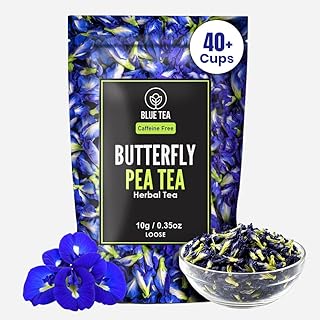
In the ever-expanding universe of herbal infusions, few teas capture the imagination quite like Butterfly Pea Tea. Known for its mesmerizing indigo hue and subtle, earthy flavor, this ancient botanical has surged in popularity, gracing the menus of trendy cafes and wellness blogs alike. But beyond its Instagram-worthy color lies a tea steeped in tradition, potential health benefits, and remarkable versatility. This comprehensive guide will delve into everything you need to know about this unique brew, from its origins and science-backed benefits to expert brewing techniques and creative culinary applications.
What is Butterfly Pea Tea? Origins and Botanical Profile
Butterfly Pea Tea, also known as Blue Tea or Asian Pigeonwings tea, is an herbal infusion made from the dried petals and sepals of the Clitoria ternatea plant. Native to Southeast Asia, this vibrant blue vine has been used for centuries in traditional Ayurvedic and Thai medicine, not only as a beverage but also as a natural food coloring and medicinal herb. The tea is naturally caffeine-free, making it an excellent choice for any time of day. Its most distinctive feature is its rich, azure blue color, a result of a high concentration of antioxidant compounds called anthocyanins—the same pigments found in blueberries and red cabbage.
The Science of Blue: Health Benefits of Butterfly Pea Flower
While often celebrated for its beauty, butterfly pea tea is also revered for its potential wellness properties. Modern research is beginning to validate many of its traditional uses. The primary active components are the anthocyanins, particularly ternatins, which are powerful antioxidants. These compounds help combat oxidative stress in the body, which is linked to aging and various chronic diseases. Preliminary studies suggest the tea may support cognitive function, promote eye health by increasing blood flow to retinal capillaries, and possess anti-inflammatory and analgesic properties. It's also known for its potential to support skin health and hair growth. As with any herbal tea, it's a gentle addition to a holistic wellness routine, though it's not a substitute for medical treatment.
Choosing Quality: Why Loose Leaf Makes a Difference
To experience the full spectrum of flavor, color, and potential benefits, the form of tea you choose is crucial. While tea bags offer convenience, loose leaf tea is universally regarded as superior. Whole, dried butterfly pea flowers have more surface area, allowing for a fuller, more nuanced extraction of color, flavor, and antioxidants. They are less processed than the finely crushed leaves often found in bags, preserving their delicate compounds. For those seeking a premium, long-lasting supply, options like our Butterfly Pea Flower Tea Loose Leaf (375+ Cups) provide exceptional value and quality. This format ensures you get whole, vibrant flowers that deliver consistent, stunning brews cup after cup, making it perfect for both daily drinking and creative kitchen experiments.
The Art of Brewing: How to Make the Perfect Cup of Blue Tea
Brewing the perfect cup of blue tea is simple, but a few tips can elevate your experience. Start with fresh, filtered water heated to just below boiling (around 90-95°C or 194-203°F). Boiling water can sometimes make the tea taste slightly bitter and may dull the vibrant color. Use about 5-7 whole dried flowers or one teaspoon of loose petals per 8-ounce cup. Place them in a teapot or infuser, pour the hot water over them, and let steep. The magic happens right before your eyes as the water transforms into a deep, clear blue. For a light, floral infusion, steep for 3-4 minutes. For a more intense color and slightly stronger flavor, you can steep for up to 10 minutes. The tea has a mild, slightly sweet, and woody taste, often compared to green tea but without the grassiness.
Beyond the Cup: Creative Uses for Butterfly Pea Tea
The true joy of butterfly pea flower lies in its chameleon-like ability to change color, making it a fantastic natural coloring agent. When an acid like lemon juice or hibiscus tea is added, the blue brew magically transforms into vibrant shades of purple and pink due to a change in the pH level. This opens up a world of creative possibilities. Use the strong, cooled tea as a natural dye for rice, noodles, or frosting. Create stunning layered beverages, cocktails, and mocktails. It's a key ingredient in traditional Thai tea blends and can be used to make visually striking lattes, lemonades, and even popsicles. Its neutral flavor means it won't overpower other ingredients, allowing you to add a healthful, colorful twist to smoothies, oatmeal, and soups.
Frequently Asked Questions About Butterfly Pea Tea
Does Butterfly Pea Tea Have Caffeine?
No, butterfly pea tea is naturally 100% caffeine-free. It is an herbal tisane made from a flower, not from the Camellia sinensis plant (which produces black, green, and white teas). This makes it a wonderful, calming evening beverage that won't interfere with sleep.
What Does Butterfly Pea Tea Taste Like?
The flavor is often described as mild, earthy, slightly sweet, and woody. It's not a bold or overpowering tea, which is why it pairs so well with other ingredients. Some detect subtle notes of green tea or even a faint umami character. Its mildness makes it an excellent canvas for flavor experimentation.
Are There Any Side Effects?
Butterfly pea tea is generally considered safe for most people when consumed in moderate amounts as a beverage. However, due to its potential effects on blood sugar and blood pressure, individuals with diabetes, hypotension, or those who are pregnant or breastfeeding should consult a healthcare professional before making it a regular part of their diet. It may also interact with certain medications.
Incorporating Butterfly Pea Tea into Your Lifestyle
Whether you're a wellness enthusiast, a culinary adventurer, or simply someone who appreciates a beautiful cup of tea, butterfly pea flower offers something unique. Start your day with a calming, antioxidant-rich blue latte, host a gathering with color-changing cocktails, or unwind in the evening with a warm, caffeine-free mug. For the best experience, sourcing high-quality, organic loose leaf flowers is key. Exploring a product like our premium loose leaf offering ensures you have the perfect base for all your blue tea adventures, providing both stunning visual appeal and the full potential of this remarkable herb. Embrace the color, explore the flavor, and discover the gentle wellness ritual that is Butterfly Pea Tea.