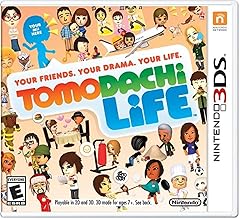
In the vast library of the Nintendo 3DS, few games capture the bizarre, heartwarming, and utterly unpredictable essence of virtual life quite like Tomodachi Life. This isn't just another game; it's a living, breathing diorama where your Mii characters—based on yourself, friends, family, or celebrities—form a chaotic community on a remote island. As a dedicated player and observer of simulation genres, I've spent countless hours nurturing these digital beings, and the experience is unlike any other life simulation game on the market. It blends the charm of Animal Crossing with the absurdity of a daytime soap opera, all packaged within the iconic clamshell of a portable gaming device.
The core appeal of Tomodachi Life lies in its emergent storytelling. You don't control the Miis directly in a traditional sense. Instead, you act as a benevolent overseer, fulfilling their requests, solving their petty dramas, and providing them with food, clothing, and apartments. I've watched in amusement as a Mii based on a stoic historical figure developed a crush on a pop star Mii, only to have their love song rejected in a hilariously off-key musical number. This element of surprise is the game's greatest strength. Every time you boot up your 3DS, you're greeted with a new batch of problems, friendships, rivalries, and dreams from your islanders. It's this constant, unpredictable feed of micro-narratives that solidifies its status as a premier social simulation title.
Building Your Island: More Than Just Mii Management
Starting your journey in Tomodachi Life begins with populating your island. You can import Miis from your 3DS system or create new ones with an impressively detailed editor, assigning them unique voices and personalities. This personal touch is crucial. Seeing a digital avatar of your best friend argue with a Mii of your favorite movie character over who ate the last sandwich creates a powerful sense of connection. The game's interface is deceptively simple, primarily navigated through the island's various shops and the apartment building. Your role is to interact, give gifts, and play mini-games to earn coins, the island's currency.
What elevates this beyond a simple dollhouse is the depth of interaction. Miis have internal stats like Hunger, Style, and Happiness. They develop hobbies, favorite foods, and even phobias. I recall one Mii who was terrified of tomatoes, leading to comical reactions whenever they appeared. You can influence their lives by what you give them, but the outcomes are never guaranteed. Giving two Miis matching outfits might make them best friends, or it might start a fashion feud. This layer of unpredictable cause-and-effect is what makes every playthrough unique and is a hallmark of the best Nintendo 3DS games.
The Quirky Heart of the Game: Relationships and Randomness
The true magic of Tomodachi Life unfolds in the relationships between Miis. They form friendships, fall in love, get married, and even have babies. The courtship process is a series of absurd and endearing events. You might need to help a shy Mii practice a confession or deliver a love letter. I've facilitated marriages between unlikely pairs, only to later have to counsel them through marital spats about snoring or cooking. The babies, which are a blend of their parents' features, grow up into new islanders, continuing the cycle of life.
This quirky life game is also packed with surreal mini-games and events. Miis might have dreams where they're a superhero or a chef, leading to short, entertaining gameplay segments. The rap battles, fashion shows, and talent contests are highlights, often resulting in screenshots and stories that players eagerly share online. This shareability, combined with the game's inherent charm, was a key driver in its commercial success, helping it become a genuine Nintendo best-seller and a cultural touchstone for the 3DS era.
Why Tomodachi Life Remains a Standout Experience
Years after its release, Tomodachi Life holds a special place in the hearts of players. In an age of high-octane action and complex RPGs, it offered a peaceful, funny, and personal counterpoint. It's a game about people—or digital caricatures of them—navigating the mundane and the magnificent. The lack of direct control forces you to become an observer, celebrating the small victories and laughing at the inevitable misunderstandings. It’s a testament to the power of simulation to create emotional resonance from simple systems.
For anyone with a Nintendo 3DS still in their drawer, or for those seeking a unique and heartwarming experience, diving into this life simulator is highly recommended. It serves as a perfect digital time capsule, a playground for your imagination, and a reminder of the Nintendo 3DS's incredible versatility. While the series has yet to see a proper sequel on modern hardware, the original Tomodachi Life experience remains a fully realized and unforgettable chapter in portable gaming history, proving that sometimes, the most compelling stories are the ones we don't write, but simply watch unfold.