For fans of quirky, character-driven experiences on the Nintendo 3DS, two titles often stand out: the adventurous RPG Miitopia and the beloved social sim Tomodachi Life. While both games brilliantly utilize the Mii creator to populate their worlds, they offer fundamentally different gameplay loops and objectives. If you're trying to decide which of these unique handheld gaming experiences is right for you, this comprehensive guide will compare their core mechanics, appeal, and overall vibe to help you make an informed choice.
Core Gameplay: Adventure RPG vs. Social Sandbox
The most significant difference lies in the genre. Miitopia is a role-playing game (RPG) at its heart. You create or import Miis to form a party of heroes on a quest to defeat the Dark Lord, who has stolen the faces of the populace. Gameplay involves turn-based combat, exploring an overworld map, managing relationships between party members at an inn, and equipping gear and jobs (like Chef, Pop Star, or Tank). The progression is story-driven, with a clear beginning, middle, and end.
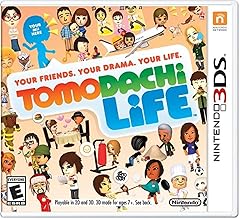
In stark contrast, Tomodachi Life is an open-ended life simulation. You populate an island with Miis and then essentially watch their lives unfold. There's no overarching story or goal beyond fostering chaos and connection. Miis develop friendships, fall in love, get into arguments, sing weird songs, and make bizarre requests. Your role is that of an observer and occasional problem-solver, delivering gifts or mediating disputes. The charm is in the unpredictable, emergent storytelling that arises from the Mii interactions.
Character Customization and Depth
Both games excel in letting you import Miis of anyone you can imagine—friends, family, celebrities, or original creations. However, the depth of customization differs.
In Miitopia, customization extends beyond looks. You assign personalities (like Kind, Cool, or Stubborn) and jobs, which dictate combat abilities and outfits. As Miis bond, they unlock powerful "relationship skills" to use in battle. Their traits also influence in-inn interactions, adding a layer of strategic consideration to party composition.
Tomodachi Life offers more granular control over a Mii's core identity. You set their voice (via a detailed pitch and tone slider), personality type, and even their favorite things (food, style, etc.). This data directly influences who they befriend, what conflicts arise, and what gifts they desire. The customization feels more personal, as you're crafting a simulated person rather than a combat unit.
Game Structure and Longevity
This is a key deciding factor for many players. Miitopia offers a structured, 30-40 hour adventure. Once you've defeated the final boss and seen the credits, the core experience is complete, though post-game content and grinding for all jobs can extend playtime. It provides a satisfying sense of closure.
Tomodachi Life is designed for short, daily check-ins over a long period. There is no end. New events, relationships, and mini-games unlock gradually as your island develops. Its longevity is virtually infinite, as the novelty comes from watching long-running storylines between your Miis evolve. It's a game you play in moments, not in marathon sessions.
Humor and Tone
Both games are incredibly funny, but their humor stems from different sources. Miitopia's comedy is often scripted and situational—watching your stoic friend's Mii, assigned the "Energetic" personality, bounce around with uncontrollable glee in cutscenes. The juxtaposition of your familiar Miis in dramatic fantasy tropes is a constant source of amusement.
Tomodachi Life is fueled by surreal, random, and often nonsensical humor generated by the game's AI. A Mii might suddenly develop an obsession with pickles, two unlikely residents might elope, or everyone might break out into a synchronized dance for no reason. The tone is warmer and more slice-of-life, albeit a deeply strange one.
Which Nintendo 3DS Life Sim Is Right For You?
Choose Miitopia if...
- You enjoy traditional RPG mechanics like turn-based combat, job systems, and gear progression.
- You prefer a game with a clear objective, storyline, and sense of completion.
- You want to see your Miis embark on a grand, structured adventure with a party dynamic.
- You're looking for a more substantial, campaign-style experience on your Nintendo 3DS.
Choose Tomodachi Life if...
- You love open-ended simulation and watching unpredictable stories unfold.
- You enjoy checking in on a game daily to see new, small developments.
- Your primary joy comes from deep Mii customization and seeing them interact autonomously.
- You prefer a relaxed, goal-less experience focused on humor and observation over challenge.
Conclusion: Two Sides of the Mii Coin
Ultimately, the choice between Miitopia and Tomodachi Life isn't about which is better, but which type of experience you're craving. Miitopia is the choice for a guided, combat-focused adventure game that uses your Miis as characters in a playful epic. Tomodachi Life remains the quintessential social sandbox, a digital dollhouse where the dolls write their own bizarre sitcom. For fans of life simulation and unique uses of the Mii avatar system, both games represent high points on the Nintendo 3DS, each offering a distinct and memorable way to play with the faces you know and love.