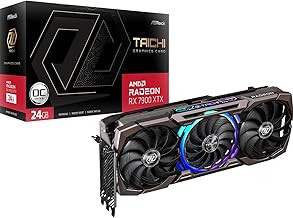
For PC enthusiasts and gamers chasing the pinnacle of 4K and high-refresh-rate performance, the AMD RDNA 3 architecture represents a significant leap forward. Two standout contenders in this space are the flagship AMD Radeon RX 7900 XTX and its powerful sibling, the XFX Speedster MERC310 AMD Radeon RX 7900XT. While they share core DNA, understanding their differences in cooling, clock speeds, and design philosophy is crucial for building your ultimate gaming rig. This deep dive compares these titans to help you decide which high-end GPU deserves a spot in your chassis.
Architectural Foundation: The Power of AMD RDNA 3
Both graphics cards are built upon the groundbreaking AMD RDNA 3 architecture. This isn't just an incremental update; it's a reimagining of GPU design. The shift to a chiplet design, similar to AMD's successful Ryzen CPUs, allows for greater efficiency and performance scaling. The flagship 7900 XTX and the XFX Speedster MERC310 RX 7900XT both benefit from second-generation AMD Infinity Cache and enhanced Ray Accelerators. This means blisteringly fast game performance, significantly improved ray tracing capabilities over the previous generation, and support for cutting-edge technologies like AMD FidelityFX Super Resolution 3 (FSR 3) with frame generation. When you invest in an AMD RDNA 3-based card, you're buying into a platform designed for the future of gaming.
Head-to-Head: Specs and Performance Profile
At first glance, the specs tell a compelling story. The reference RX 7900 XTX is the undisputed king of the stack, featuring 96 Compute Units, higher game and boost clock speeds, and 24GB of GDDR6 memory on a wider 384-bit bus. The XFX Speedster MERC310, based on the RX 7900 XT chip, is configured with 84 Compute Units and 20GB of GDDR6 memory. However, the story doesn't end with reference specs. Partner cards like the Speedster MERC310 come with custom printed circuit boards (PCBs), massively upgraded cooling solutions, and factory overclocks that can significantly narrow the performance gap. In real-world 4K gaming, both cards deliver exceptional, fluid experiences, but the XTX typically maintains a 10-15% performance lead in raw rasterization, a gap that can be lessened by the MERC310's robust cooling allowing for sustained boost clocks.
Design and Cooling: The MERC310's Forte
This is where the XFX Speedster MERC310 truly shines. XFX's design philosophy for the MERC series is 'no compromises.' The card features a massive triple-fan cooler, often dubbed the "MERCiful 3.10 Cooling System," with a dense fin stack and multiple heat pipes. This solution is engineered not just for low noise levels but for exceptional thermal performance, keeping the GPU cool even under sustained loads during marathon gaming sessions or demanding creative work. The robust metal backplate provides structural rigidity, combating GPU sag. In contrast, while the reference 7900 XTX cooler is competent, it can run warmer and louder under extreme load. For users who prioritize a cool, quiet, and well-built component, the MERC310's design is a major selling point.
Target Audience: Which Gamer Are You?
Choosing between these two powerhouses boils down to your specific needs and budget. The AMD Radeon RX 7900 XTX is the ultimate choice for the enthusiast who must have the absolute fastest rasterization performance AMD offers, plans to push extreme resolutions like 4K with max settings, and may leverage the full 24GB frame buffer for professional creative applications or future-proofing. The XFX Speedster MERC310 RX 7900XT, on the other hand, is a smarter buy for the performance-focused gamer who values excellent thermals, acoustics, and a premium custom design. It delivers 90-95% of the flagship's gaming performance at a typically lower price point, making it one of the best values in the ultra gaming segment. If your goal is buttery-smooth 4K gaming without breaking the bank on the absolute top tier, the MERC310 is a phenomenal PC graphics card.
Future-Proofing and Feature Set
Both cards are exceptionally future-proof. The RDNA 3 architecture includes support for DisplayPort 2.1, enabling 4K at 480Hz or 8K at 165Hz displays—a forward-looking feature most competitors lack. They also support AV1 encoding, a boon for streamers. The 7900 XTX's larger memory buffer gives it an edge for upcoming games that may utilize more VRAM for high-resolution textures. However, the 20GB on the MERC310 is still ample for years of 4K gaming. The deciding factor often comes down to the partner card's warranty, software (like XFX's Speedster SWFT), and build quality, where the MERC310 consistently earns high marks from reviewers and users alike.
Final Verdict: A Battle of Philosophy
In the clash between the reference flagship and the premium custom model, there is no single loser. The AMD Radeon RX 7900 XTX represents the peak of AMD's engineering, offering the highest possible frame rates. The XFX Speedster MERC310 AMD Radeon RX 7900XT represents the peak of partner customization, offering a cooler, quieter, and often more reliably performing version of a nearly-top-tier GPU. For pure, unadulterated performance, the XTX claims the crown. For a balanced, premium, and potentially better-value gaming experience that still demolishes 4K, the Speedster MERC310 is an incredibly compelling gaming graphics card. Your choice ultimately reflects whether you want the fastest chip, or the best-built version of an almost-as-fast chip.