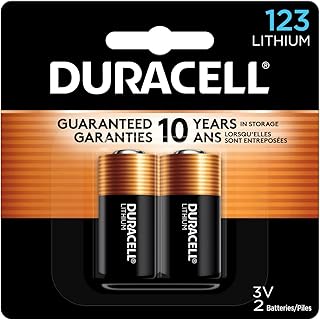
If you own high-drain electronic devices like tactical flashlights, digital cameras, or home security systems, you've likely encountered the CR123A battery. This compact, powerful lithium cell is a workhorse in the world of portable power, prized for its high voltage and long shelf life. But what exactly makes it different from other batteries, and how do you ensure you're getting the best performance and value? This comprehensive guide will demystify the CR123A, covering everything from its technical specs and common applications to lifespan expectations and smart purchasing decisions.
What is a CR123A Battery?
The CR123A is a non-rechargeable (primary) 3-volt lithium battery. The "CR" denotes a lithium manganese dioxide (Li-MnO2) chemistry with a round (R) shape. The numbers "123A" refer to its physical size, which is roughly two-thirds the length of a standard AA battery but with a similar diameter. This chemistry and design give it several distinct advantages: a very high energy density, excellent performance in extreme temperatures, and a remarkably long shelf life—often up to 10 years. Unlike common alkaline batteries, the CR123A battery delivers a consistent voltage output until it is nearly depleted, which is critical for devices requiring reliable, high power.
Common Uses and Applications
Due to its power profile and reliability, the CR123A has become the go-to choice for a variety of demanding devices. Its most prominent applications include:
- Tactical and High-Performance Flashlights: The high burst current of CR123A batteries makes them ideal for LED flashlights used by law enforcement, military personnel, and outdoor enthusiasts. They provide intense, immediate light output.
- Digital Cameras and Camera Flashes: Many digital cameras, especially older or professional models, and external flash units use CR123As for their ability to power rapid flash recycling and high-drain electronics.
- Home Security and Safety Devices: This is a critical application. Smoke detectors, carbon monoxide alarms, and motion sensors for home security systems often use CR123As because of their long life and reliability, ensuring the device will function when needed, even after years of standby.
- Medical Devices: Certain portable medical equipment, like some types of thermometers and monitoring devices, rely on the stable voltage of lithium cells.
- Laser Sights and Optics: Weapon-mounted lasers and red-dot sights frequently use CR123As for their compact size and dependable power in field conditions.
Key Specifications and What They Mean
Understanding the specs on a CR123A battery package helps you compare brands and ensure compatibility.
- Voltage: 3 Volts. This is twice the voltage of a standard alkaline AA/AAA cell (1.5V). Never mix CR123As with 1.5V batteries in a device unless explicitly designed for it.
- Chemistry: Lithium Manganese Dioxide (Li-MnO2). This provides a high energy-to-weight ratio and stable discharge.
- Typical Capacity: Ranges from about 1300mAh to 1600mAh. While this number may seem lower than some high-capacity AA batteries (which can be 2500mAh+), remember the CR123A operates at 3V, so its total energy (Voltage x Capacity) is comparable or superior for its size.
- Size: Approximately 34.5mm in height and 17mm in diameter. Always check your device's manual to confirm it requires this exact size.
- Shelf Life: Typically 10 years when stored properly (cool, dry place). This makes them perfect for emergency kits and infrequently used safety devices.
How Long Does a CR123A Battery Last?
Battery life, or runtime, is not a fixed number. It depends entirely on the device's power draw (current). A high-lumen flashlight on its maximum setting might drain a pair of CR123As in under 2 hours. The same batteries in a low-power smoke detector in standby mode could last 3-5 years or more. For active use in devices like cameras, you might get several hundred flashes. The key takeaway is that while the CR123A battery has excellent total energy, high-drain applications will consume it quickly. For devices used frequently, consider the cost-per-use when purchasing.
CR123A vs. Similar Batteries: Avoiding Confusion
It's easy to get confused by similar-looking battery codes. Here’s a quick breakdown:
- CR123A vs. CR123: These are generally the same size and interchangeable. "CR123A" is simply a more specific designation. Most modern devices list CR123A.
- CR123A vs. 16340: This is a critical distinction. A 16340 rechargeable lithium-ion battery is the same physical size as a CR123A but has a nominal voltage of 3.7V (4.2V when fully charged). They are NOT directly interchangeable. Using a 16340 in a device designed for a 3V CR123A can damage the electronics. Only use a 16340 if your device explicitly states it supports rechargeable Li-ion cells of that size.
- CR123A vs. CR2: The CR2 battery is shorter (27mm vs. 34.5mm). They are not compatible.
Expert Tips for Choosing and Using CR123A Batteries
Follow these best practices to get the most out of your batteries and ensure device safety.
- Buy from Reputable Brands: Stick with well-known manufacturers like Duracell, Energizer, Panasonic, or Streamlight. Counterfeit or low-quality lithium batteries can pose safety risks (leakage, overheating) and offer poor performance.
- Check Expiry Dates: While the shelf life is long, always check the package for a manufacture or expiry date to ensure freshness.
- Use Batteries in Pairs (When Required): Many devices, especially high-power flashlights, require two CR123As in series to produce 6V. Always use the same brand, type, and freshness level in multi-battery devices. Mixing old and new or different brands can lead to imbalance, reduced performance, and potential leakage.
- Store Properly: Keep unused batteries in their original packaging in a cool, dry place. Avoid storing them loose where the terminals can short-circuit (e.g., in a pocket with keys).
- Dispose of Responsibly: Lithium batteries should not be thrown in the regular trash. Take them to a designated battery recycling center or a retailer that offers recycling services.
- Consider Your Use Case: For critical, infrequently used devices like smoke alarms, the reliability and long shelf life of a primary CR123A battery are unmatched. For a heavily used tactical flashlight, the long-term cost savings of a compatible rechargeable 16340 system might be worth the investment, provided your device supports it.
Final Verdict: Is the CR123A Right for You?
The CR123A battery is not a general-purpose cell for TV remotes or wall clocks. It is a specialized power source designed for devices that need a compact, high-voltage, and reliable burst of energy. If your equipment specifies CR123A, it's for a good reason. By understanding its strengths—long shelf life, high power density, and all-weather performance—you can make an informed choice. Prioritize quality, follow usage guidelines, and you'll have a dependable power source that keeps your essential gear running when it matters most. For a reliable selection of quality CR123A batteries suited for security, tactical, and photographic needs, exploring a dedicated CR123A battery product page is an excellent next step.