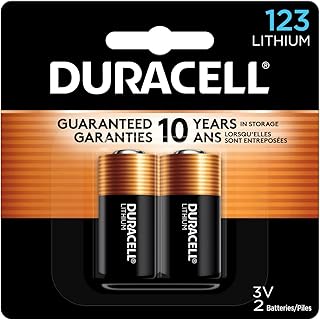
In the world of portable power, few batteries are as reliable and specialized as the CR123A battery. This compact 3-volt lithium cell is a powerhouse in a small package, designed for devices that demand high energy density and long-term reliability. Whether you're a photographer, a security professional, or an outdoor enthusiast, understanding the capabilities and applications of this battery is crucial. This comprehensive guide will delve into the uses, impressive lifespan, and key factors to consider when choosing the best CR123A battery for your specific needs.
What is a CR123A Battery?
The CR123A is a cylindrical, 3-volt, non-rechargeable lithium battery. The "CR" denotes a lithium manganese dioxide (Li-MnO2) chemistry with a round (R) form. It's also commonly referred to as a 123 battery, CR123, or 123A. Its key characteristics include a high energy density, stable voltage output, and an exceptionally long shelf life, often rated up to 10 years. This makes it fundamentally different from standard alkaline AA or AAA batteries, which have lower voltage and a much shorter shelf life. The cr123a battery is engineered for high-drain devices where consistent, reliable power is non-negotiable.
Primary Uses and Applications of CR123A Batteries
The unique properties of the 3V lithium battery make it ideal for a wide range of demanding applications. Its ability to deliver high bursts of power and perform well in extreme temperatures is why it's the go-to choice for several critical devices.
1. Tactical and High-Performance Flashlights
Perhaps the most common use for CR123A batteries is in high-lumen tactical flashlights. These flashlights require a significant amount of power to produce intense beams of light. The tactical flashlight battery needs to provide stable voltage to maintain brightness and handle the high current draw. The compact size of the CR123A also allows flashlight designers to create powerful yet portable tools for law enforcement, military, security personnel, and outdoor adventurers.
2. Security and Safety Devices
Home and commercial security systems rely on dependable power sources. CR123A batteries are frequently found in smoke detectors, carbon monoxide alarms, motion sensors, and security camera components. Their long shelf life is a critical feature here, as these devices need to sit idle for months or years but must function perfectly in an emergency. You don't want to be changing batteries in your smoke detector every year. This reliability solidifies its role as a premier security device battery.
3. Photography Equipment
In the photography world, the CR123A is often called a photo battery. It is commonly used to power external camera flashes, light meters, and some digital camera models. The battery's ability to deliver quick, high-current bursts is perfect for recycling a flash unit rapidly between shots. Its stable voltage also ensures consistent light output, which is vital for professional photography.
4. Emergency and Medical Equipment
Due to its reliability, the CR123A serves as an excellent emergency battery. It's used in various emergency locator beacons, handheld GPS units, and some types of medical devices. When you're in a remote location or a life depends on a device working, the long shelf life and dependable performance of a lithium battery are invaluable.
The 10-Year Shelf Life: What It Means for You
One of the most advertised and valuable features of quality CR123A batteries is their 10-year shelf life. But what does this actually mean? Shelf life refers to the length of time a battery can be stored while retaining a specified percentage of its original capacity (usually 80-90%) under recommended storage conditions. For a non-rechargeable battery like the CR123A, this is a game-changer. It allows you to buy in bulk for cost savings and keep spares for emergencies without worrying about them degrading quickly. This is why they are perfect for infrequently used devices like emergency kits or backup sensors. Proper storage in a cool, dry place is key to achieving this full lifespan.
How to Choose the Best CR123A Battery
Not all CR123A batteries are created equal. When selecting a battery, especially for critical applications, consider the following factors to ensure you get the best performance and value.
1. Brand Reputation and Quality
Opt for batteries from reputable manufacturers known for quality control and consistent performance. Established brands invest in the chemistry and construction that deliver on the promised shelf life and power output. Avoid extremely cheap, no-name batteries, as they may have inconsistent capacity, higher self-discharge rates, and could potentially leak or fail.
2. Intended Use Case
Match the battery to your device. For a high-drain tactical light, you need a battery rated for high continuous current. For a smoke detector, the shelf life and reliability over time are the top priorities. Some batteries are marketed specifically for photo use or extreme temperatures.
3. Shelf Life Rating
Always check the manufacturer's stated shelf life. A 10-year rating is the gold standard for lithium primary cells like the CR123A. This ensures the battery will be ready when you need it, even years after purchase.
4. Value Packs and Authenticity
Buying in multi-packs, like a 6-pack, is often more economical, especially for devices that use two batteries at a time (like many flashlights). Ensure you are purchasing from authorized retailers to avoid counterfeit products, which can be dangerous and perform poorly. A product like the CR123A 3V Batteries (6-Pack) offers both convenience and value, providing a reliable supply of photo non-rechargeable lithium batteries with the trusted 10-year shelf life.
CR123A vs. Rechargeable Alternatives (Like 16340)
A common question is whether to use a disposable CR123A or a rechargeable alternative like the 16340 (RCR123A) battery. The 16340 is similar in size but is a 3.7V (nominal) rechargeable lithium-ion cell. Here's a quick comparison:
- CR123A (Primary): Higher initial cost per battery but no charger needed. Offers a longer shelf life (10 years), more consistent voltage until depletion, and often better performance in very cold temperatures. It's a set-and-forget solution ideal for emergency and infrequent use.
- 16340 (Rechargeable): Lower long-term cost with reuse. Higher nominal voltage (3.7V) may not be compatible with all devices designed for 3V; check your device manual. Requires a charger, has a shorter shelf life (loses charge when stored), and may have slightly lower capacity per charge.
The choice depends on your usage pattern. For critical, life-saving devices or long-term storage, the primary CR123A is the recommended choice. For high-use devices like a daily flashlight, a rechargeable option might be more economical and environmentally friendly over time.
Safety and Storage Tips for CR123A Lithium Batteries
While safe when used correctly, lithium batteries require some basic precautions:
- Do Not Recharge: Primary CR123A batteries are not designed to be recharged. Attempting to do so can cause leakage, overheating, or rupture.
- Store Properly: Keep batteries in a cool, dry place at room temperature. Avoid extreme heat or cold. Storing them in a plastic case can prevent contact with metal objects that could cause a short circuit.
- Insert Correctly: Always observe the correct polarity (+/-) when inserting batteries into a device. Incorrect insertion can damage the device or the battery.
- Dispose Responsibly: Do not dispose of lithium batteries in regular household trash. Take them to a designated battery recycling center.
Conclusion: Powering Your Reliability
The CR123A battery is more than just a power source; it's a component of reliability for your most important devices. Its combination of high energy output, compact size, and legendary 10-year shelf life makes it an indispensable tool for professionals and prepared individuals alike. When choosing your batteries, prioritize quality and the specific needs of your application. Whether you're stocking your emergency kit, powering a security system, or lighting your way on a dark trail, selecting the right 3V lithium battery ensures your devices perform flawlessly when it matters most. For a reliable supply, consider value packs from trusted sources to ensure you always have power on hand.