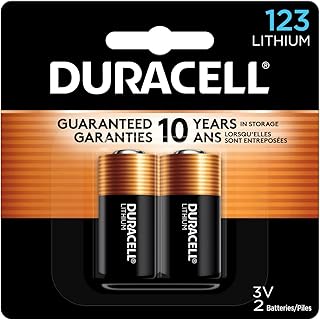
When it comes to powering the critical devices that keep your home safe and secure, not all batteries are created equal. Among the various options, the CR123A battery stands out as a powerhouse for demanding applications. This compact 3-volt lithium cell is the unsung hero behind many home safety, security, and automation systems, offering a unique blend of high power, long shelf life, and reliable performance in a small package. Whether you're a homeowner looking to maintain your smoke detectors or an enthusiast powering high-lumen flashlights, understanding this battery is key to ensuring your devices function when you need them most.
This comprehensive guide will delve into everything you need to know about the CR123A battery. We'll explore its common uses, technical specifications, and what makes it different from other battery types. We'll also highlight why choosing a reputable brand like Duracell for your cr123a battery needs is a decision that impacts reliability and peace of mind.
What is a CR123A Battery?
The CR123A is a non-rechargeable (primary) 3-volt lithium battery. Its name provides clues to its identity: 'C' indicates it's a lithium chemistry, 'R' denotes a round shape, and '123A' specifies its size. It's known for its cylindrical form, roughly two-thirds the length of a standard AA battery but with a higher voltage and superior energy density. This means it packs a significant amount of power into a relatively small space, making it ideal for devices that require a burst of high current or need to operate for long periods without frequent changes.
Key characteristics of the 3v lithium battery chemistry used in CR123As include an excellent shelf life (often up to 10 years), consistent voltage output throughout most of its discharge cycle, and reliable performance in a wide range of temperatures. Unlike alkaline batteries, lithium cells are less prone to leakage, which is a critical factor for expensive electronics and safety devices installed in your home's walls or ceilings.
Primary Uses: Where You'll Find CR123A Batteries
The high-energy density and stable voltage of the CR123A make it the go-to power source for several essential and high-drain devices. Its applications are primarily centered around reliability and performance.
Home Safety & Security Devices
This is arguably the most critical application. Many modern smoke alarms, carbon monoxide detectors, and home security system sensors (like door/window contacts or motion detectors) are designed to run on CR123A batteries. Their long shelf life ensures the device remains operational for years, while the lithium chemistry provides the consistent power needed for the alarm to sound loudly and clearly in an emergency. For home safety devices, compromising on battery quality is not an option.
High-Performance Flashlights and Tactical Gear
Professional-grade flashlights, tactical lights, and high-lumen LED torches often require the high discharge rate that CR123A batteries provide. They deliver the bright, sustained beam that law enforcement, emergency personnel, and outdoor enthusiasts depend on. Using standard alkaline batteries in these devices often results in dimmer light and shorter run times.
Home Automation and Digital Cameras
Various smart home components, such as certain smart locks, sensors, and controllers, utilize CR123As for their low self-discharge and ability to handle intermittent high-current pulses for wireless communication. Some digital cameras, especially older models or specific types of flash units, also rely on these powerful cells.
Why Choose Duracell CR123A Batteries?
With many brands on the market, selecting the right battery is crucial. Duracell CR123A 3V Lithium Batteries are engineered to meet the high standards demanded by safety and security applications. Duracell, a name synonymous with trust in power, designs these lithium batteries with a focus on long-lasting power and durability. The 6-count pack is particularly convenient for homeowners, allowing you to replace batteries in multiple devices (like all your smoke alarms) at once and keep spares on hand.
The benefits of choosing Duracell include a 10-year shelf life, guaranteeing power is available when you need it, even after years in storage. They are built to perform reliably in extreme temperatures, from the cold of an attic in winter to the heat of an enclosed security light in summer. Furthermore, Duracell's commitment to quality minimizes the risk of leakage, protecting your valuable devices from corrosion damage. For powering smoke alarm batteries and other critical systems, this reliability is non-negotiable.
CR123A vs. Other Batteries: Understanding the Difference
It's easy to confuse the CR123A with other sizes or assume a different battery can work. Here’s a quick comparison:
- CR123A vs. CR2: The CR2 is shorter. They are not interchangeable as device compartments are sized specifically.
- CR123A vs. 16340: A 16340 is a rechargeable lithium-ion battery of similar size but with a nominal voltage of 3.7V. They are physically compatible in some devices, but using a 16340 in a device designed for 3V primary cells can damage the device. Always check the manufacturer's instructions.
- CR123A vs. AA/AAA Alkaline: AA batteries are 1.5V. Two AAs in series provide 3V, but they are larger, have lower energy density, and perform poorly in high-drain or cold-weather applications compared to lithium CR123As.
This underscores the importance of using the battery specified by your device manufacturer for optimal safety and performance.
Tips for Using and Storing CR123A Batteries
To get the most out of your high power lithium batteries, follow these best practices:
- Check Device Compatibility: Always confirm your device is designed for a 3V lithium CR123A battery.
- Replace All Batteries in a System at Once: When maintaining smoke alarms, replace all batteries at the same time to ensure uniform performance and lifespan.
- Store Properly: Keep spare batteries in a cool, dry place at room temperature. Avoid storing them loose where metal objects can short-circuit the terminals.
- Dispose of Responsibly: Lithium batteries should be recycled. Many electronics retailers and community centers have battery recycling drop-offs.
- Buy from Reputable Sources: Counterfeit batteries are a real concern. Purchase from authorized retailers to ensure you get genuine, high-quality cells like Duracell that meet safety standards.
Conclusion: Powering Reliability with the Right Choice
The CR123A battery is more than just a power cell; it's a critical component in the ecosystem of home safety and high-performance electronics. Its design addresses the specific needs of devices that must work reliably over long periods, often in demanding conditions. When selecting batteries for such important roles, opting for quality and reliability from a trusted manufacturer like Duracell is an investment in peace of mind. Whether you're stocking up for your home's home automation batteries or ensuring your emergency flashlights are ready, choosing the right CR123A battery ensures your devices have the dependable power they were designed to use.