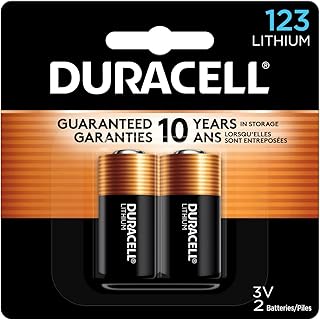
When it comes to powering the devices that keep your home and family safe, not just any battery will do. The CR123A battery has become a cornerstone in the world of home security and safety electronics. This compact, 3-volt lithium power cell is specifically engineered for high-drain, critical applications where reliability is non-negotiable. From the subtle blink of a motion sensor to the life-saving shriek of a smoke alarm, the performance of these devices hinges entirely on the quality of the battery inside. This comprehensive guide will delve into the essential uses, expected lifespan, and key factors to consider when selecting the best CR123A battery for your needs, ensuring your safety systems never miss a beat.
What is a CR123A Battery and Where is it Used?
The CR123A, often simply called a "123 battery," is a cylindrical, single-cell, 3-volt lithium battery known for its high energy density and stable voltage output. Unlike common alkaline AA or AAA batteries, lithium chemistry provides a much longer shelf life and consistent power delivery, even in extreme temperatures. This makes it the preferred choice for devices that require a burst of power or must operate reliably for extended periods without maintenance.
Primary Applications in Home Safety and Security
The most critical use for CR123A batteries is in home safety and security systems. Their design is perfectly suited for the low-current, continuous operation with occasional high-power demands typical of these devices.
- Home Security Alarm Systems & Sensors: Door/window contact sensors, motion detectors (PIR sensors), and glass break sensors often rely on CR123A batteries. These components are the nervous system of your security setup, and a dead battery can create a vulnerable blind spot.
- Smoke and Carbon Monoxide (CO) Alarms: This is perhaps the most vital application. Modern photoelectric or ionization smoke detectors and CO alarms use these batteries to power their sensitive sensing chambers and loud, 85-decibel alarms. The non-rechargeable, long-lasting nature of lithium cells ensures the alarm will function during a power outage and for years without frequent changes.
- Electronic Door Locks and Smart Locks: Keyless entry systems and digital deadbolts use CR123As to power their motorized bolts, keypads, and wireless connectivity (like Wi-Fi or Z-Wave). A failing battery here could literally lock you out of your own home.
- Other Common Uses: High-performance flashlights (tactical and hunting lights), digital cameras, medical devices, and various industrial electronics also utilize this battery format due to its power and reliability.
Understanding CR123A Battery Lifespan and Performance
One of the most common questions is, "How long does a CR123A battery last?" The answer isn't a single number, as it depends on several factors: the device's power consumption, usage patterns, environmental conditions, and critically, the quality of the battery itself.
Factors Influencing Battery Life
A high-quality 3V lithium battery like the Enegitech CR123A is designed for endurance. Here’s what affects its operational life:
- Device Drain: A smoke detector in standby mode may draw minimal current, allowing a battery to last 3-5 years. A frequently triggered motion sensor or a high-lumen flashlight used regularly will deplete it much faster.
- Environmental Temperature: Lithium batteries perform well in a wide temperature range (-40°C to 60°C), but extreme cold can temporarily reduce capacity, while extreme heat can accelerate internal discharge and shorten overall lifespan.
- Shelf Life: A major advantage of lithium chemistry is its excellent shelf life. A quality CR123A can retain up to 90% of its charge after 10 years when stored properly (cool, dry place). This is crucial for emergency devices and spare batteries.
- Battery Quality & Brand: Not all CR123As are created equal. Premium brands use higher-grade materials and stricter manufacturing controls, leading to more consistent capacity, better leak resistance, and more reliable performance over time. Investing in a trusted brand like the Enegitech CR123A 3V Lithium Battery is an investment in peace of mind.
How to Choose the Best CR123A Battery: A Buyer's Checklist
With many options on the market, selecting the right battery can be confusing. Follow this checklist to ensure you get a reliable power source for your critical devices.
1. Prioritize Lithium Chemistry
Always choose a lithium CR123A. Avoid any "equivalent" batteries that use alkaline chemistry for these devices. Lithium provides the necessary voltage stability, wide temperature tolerance, and long shelf life that safety equipment demands.
2. Look for Proven Reliability and Brand Reputation
Stick with established brands known for quality in the safety and electronics sector. While generic or off-brand batteries may be cheaper upfront, they risk premature failure, leakage (which can destroy your device), or inconsistent power output. A reputable alarm system battery is a core component of your home's protection.
3. Check for Essential Certifications
Quality batteries often carry certifications from independent testing organizations. Look for marks indicating they meet specific standards for safety and performance, which is especially important for smoke detector battery applications.
4. Opt for Multi-Packs and Check Expiry Dates
Since many devices use two batteries (like most smoke alarms), buying a 2-pack or 4-pack is convenient and ensures both batteries are from the same production batch, promoting even discharge. Always glance at the packaging for a manufacture or "best before" date to ensure freshness.
5. Understand "Non-Rechargeable"
CR123A batteries are primary cells, meaning they are non-rechargeable. Attempting to recharge a standard CR123A can be dangerous, leading to overheating, leakage, or rupture. Only use batteries specifically labeled as "rechargeable" (usually LIR123A) with the appropriate charger.
Common Mistakes and How to Avoid Them
Even with the right battery, mistakes in usage and maintenance can compromise your safety systems.
- Mixing Old and New Batteries: Never mix batteries from different packs or with different charge levels in a single device. This can cause the newer/stronger battery to overwork trying to charge the weaker one, leading to rapid failure or leakage.
- Ignoring Low Battery Alerts: When your smoke alarm chirps or your security panel shows a "low battery" warning, replace the batteries immediately. Don't wait for them to die completely.
- Using the Wrong Battery Type: Do not substitute with CR2, CR123, or 2x CR2 batteries. While they may physically fit, the voltage and capacity are wrong, which can damage your device or cause it to malfunction.
- Poor Storage: Store spare batteries in their original packaging at room temperature. Loose batteries in a drawer can short-circuit if their terminals contact metal objects, creating a fire hazard.
Conclusion: Powering Safety with Confidence
Choosing the right CR123A battery is a small but profoundly important decision for home safety. By understanding its critical role in security alarms, smoke detectors, and door locks, respecting its lifespan factors, and following a diligent selection process, you ensure that your protective devices operate with unwavering reliability. Opting for a high-performance, long-lasting battery from a trusted manufacturer is the simplest way to safeguard the systems that safeguard you. Remember, in moments of emergency, the last thing you should worry about is your battery.