For a generation of gamers, the Gameboy Advance SP represents a pinnacle of portable gaming design. Released in 2003, it wasn't just an incremental upgrade; it was a revolutionary reimagining of Nintendo's wildly successful Game Boy Advance. Moving away from the horizontal form factor of its predecessor, the SP introduced a sleek, clamshell design that protected its screen, featured a built-in rechargeable battery, and, most importantly, brought a brilliant front-lit screen to the masses. This guide delves deep into the legacy of this iconic device, exploring its features, its impact, and its enduring appeal in the world of retro gaming.
Understanding the Gameboy Advance Sp requires looking at the landscape it entered. The original Game Boy Advance was a powerhouse, capable of delivering near-Super Nintendo quality graphics on the go. However, it had notable shortcomings: it required AA batteries, its screen was notoriously dim and difficult to see without perfect lighting, and its form factor wasn't the most portable. Nintendo addressed every single one of these pain points with the SP, creating a device that felt both futuristic and incredibly practical.
The Revolutionary Features of the Gameboy Advance SP
The success of the Gameboy Advance SP can be attributed to several key innovations. First and foremost was the clamshell design. By folding in half, the SP became remarkably compact for travel, and the screen was safely tucked away when closed, eliminating the need for aftermarket screen protectors or cases. This design choice alone made it a favorite for gamers on the move.
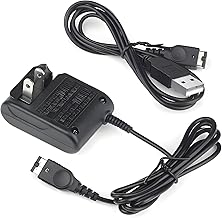
Second was the introduction of a built-in, rechargeable lithium-ion battery. This was a game-changer. No longer did players need to constantly buy and replace AA batteries. A single charge provided hours of gameplay, and the included AC adapter made topping up simple. This feature not only saved money but also added to the premium feel of the device.
The AGS-001 vs. AGS-101: Understanding the Screen Models
One of the most critical distinctions for collectors and players is between the two main screen variants. The original launch model (often referred to by its model number, AGS-001) featured a front-lit screen. This was a massive improvement over the non-lit GBA screen, allowing for play in low-light conditions. However, the lighting could sometimes wash out colors and create a slightly "speckled" appearance.
In 2005, Nintendo released a revised version, the AGS-101, exclusively in certain colors and regions like the Graphite and Pearl Blue models in North America. This model boasted a vastly superior backlit screen. The difference is night and day. The AGS-101 screen is brighter, with richer colors, deeper blacks, and no visible light grid. Today, the AGS-101 is highly sought after by enthusiasts and commands a significant premium on the secondary market. When searching for a Gameboy Advance SP, identifying which screen model you're getting is crucial.
Why the Gameboy Advance SP Library is Timeless
The hardware is only half the story. The Gameboy Advance SP plays the entire extensive library of Game Boy Advance cartridges, as well as the classic Game Boy and Game Boy Color libraries via backward compatibility. This gives it access to one of the greatest software libraries in gaming history. From flagship titles like The Legend of Zelda: The Minish Cap, Metroid Fusion, and Pokémon Emerald to countless beloved RPGs, platformers, and strategy games, the GBA era was a golden age for handheld software. The SP was the perfect vessel to experience these games as the developers intended, with a clear, lit screen and comfortable controls.
Buying a Gameboy Advance SP in the Modern Era: A Collector's Guide
With the system being out of production for nearly two decades, acquiring one requires some knowledge. The market is flooded with used, refurbished, and sometimes counterfeit units. Here are key factors to consider:
- Condition: Check for scratches on the shell and screen, hinge tightness (a loose hinge is a common issue), and button responsiveness.
- Screen Model: As discussed, determine if it's an AGS-001 (front-lit) or the more desirable AGS-101 (backlit). Power it on with a dark game screen to check.
- Battery Health: Original batteries may no longer hold a charge. Factor in the potential cost of a replacement battery.
- Authenticity: Be wary of counterfeit systems or re-shelled units being sold as special editions. Purchase from reputable retro gaming stores or sellers with detailed photos and positive feedback.
For those deep into the Gameboy Advance Sp scene, modding has become a huge community. Popular mods include installing a modern, brighter IPS screen into any model, replacing shells with new colors or transparent housings, and adding USB-C charging ports. These mods can breathe new life into an old unit but should be undertaken with care or by a professional.
The Enduring Legacy and Cultural Impact
The Gameboy Advance SP solidified Nintendo's dominance in the handheld market. It proved that gamers valued practicality and refinement as much as raw power. Its design language influenced future Nintendo portables, most notably the Nintendo DS. Today, it stands as a symbol of early 2000s gaming—a perfectly balanced device that was both a toy and a sophisticated piece of technology. Its collectibility continues to rise, not just as a nostalgia piece, but as a genuinely excellent way to play a legendary catalog of games.
Whether you're a veteran looking to relive your childhood or a new collector discovering classic gaming, the Gameboy Advance SP remains a compelling purchase. Its combination of iconic design, groundbreaking features for its time, and access to an unparalleled software library ensures its place in the pantheon of great gaming hardware. By understanding its history, variants, and the modern market, you can find the perfect SP to start or continue your retro gaming journey.


