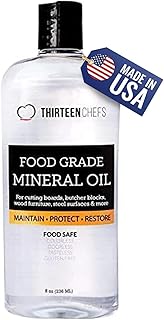
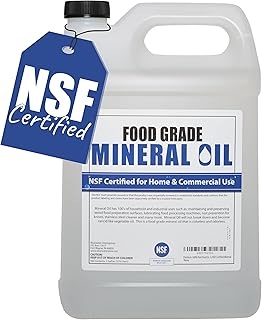
If you own a wooden cutting board, butcher block countertop, or cherished wooden utensils, you've likely heard about the importance of regular oiling. But with so many products on the market, how do you choose the right one? The answer, for true food safety and wood preservation, often lies in a simple, time-tested substance: food-grade mineral oil. Unlike many plant-based oils that can turn rancid, mineral oil provides a stable, inert, and protective barrier that keeps your kitchen woodwork looking beautiful and functioning safely for years.
In this comprehensive guide, we'll dive deep into the world of mineral oil for wood care. We'll explore what it is, why it's the preferred choice for food-contact surfaces, how to use it correctly, and address common myths and mistakes. Whether you're seasoning a new board or revitalizing an old family heirloom, understanding the proper use of mineral oil is the key to longevity and hygiene.
What is Food-Grade Mineral Oil and Why is it Special?
Mineral oil is a clear, odorless, and tasteless oil derived from petroleum. Before you raise an eyebrow, it's crucial to distinguish between industrial mineral oil and the food-grade mineral oil used in kitchens and for personal care. Food-grade mineral oil is highly refined and purified, removing all harmful compounds. It is classified by the U.S. Food and Drug Administration (FDA) as safe for indirect food contact, meaning it's perfectly acceptable for use on surfaces where food is prepared.
Its magic lies in its inert nature. It doesn't oxidize or go rancid like vegetable, olive, or walnut oils. When you rub a plant-based oil into wood, it can eventually spoil inside the wood's pores, leading to unpleasant odors and potentially harboring bacteria. Mineral oil, however, remains stable. It doesn't feed microbial growth, making it a hygienic choice for cutting boards and butcher blocks that come into constant contact with food.
The Critical Role of Oil in Wood Kitchenware Maintenance
Wood is a porous, organic material. Every time you wash your cutting board with water, the wood fibers absorb moisture and then release it as they dry. This constant expansion and contraction is what causes wood to crack, warp, and split over time. The primary job of a cutting board oil or butcher block oil is to fill those microscopic pores.
By penetrating the wood, the oil creates a hydrophobic (water-repelling) barrier. This significantly reduces the amount of water the wood can absorb, stabilizing the cells and preventing the damaging cycle of swelling and shrinking. A well-oiled board is more resistant to stains from foods like berries and beets, and it creates a smoother, more knife-friendly surface. Think of oiling not as an optional cosmetic treatment, but as essential maintenance, similar to sealing a stone countertop.
How to Properly Apply Mineral Oil to Your Wooden Items
Applying mineral oil is a simple process, but doing it correctly ensures maximum protection. Here is a step-by-step guide:
- Clean and Dry Thoroughly: Wash your cutting board or butcher block with mild soap and warm water. Scrub off any food residues. This step is non-negotiable; you don't want to seal in dirt or bacteria. Rinse well and let the wood dry completely for at least several hours, or preferably overnight. The wood must be bone-dry for the oil to penetrate deeply.
- Apply Generously: Pour a generous amount of food-grade mineral oil directly onto the wood surface. Using a clean, soft cloth or paper towel, rub the oil in, following the direction of the wood grain. Don't be shy—the wood should look visibly wet and saturated.
- Let it Soak: Allow the oil to soak into the wood for a minimum of 20-30 minutes, or even several hours for a very dry piece. You will see the oil being absorbed, and the wood's color will deepen and enrich.
- Wipe Off Excess: After the soaking period, take a fresh, dry cloth and wipe off any oil that remains on the surface. A sticky or oily surface means you didn't wipe enough off. The goal is for the oil to be in the wood, not on it.
- Repeat for Initial Seasoning: For a new or severely dried-out item, you may need to apply 2-4 coats, allowing several hours of soak time between each coat, until the wood stops absorbing the oil readily.
Common Myths and Mistakes to Avoid
Myth 1: Any Oil Will Do
This is the most dangerous misconception. Using cooking oils like olive, vegetable, or coconut oil is a recipe for disaster. These oils will oxidize and become rancid inside your board, creating foul smells and a sticky, uncleanable surface. They can also promote bacterial growth. Always use a dedicated, food-safe wood conditioner like mineral oil or a specially formulated board cream.
Myth 2: Once a Year is Enough
Oiling frequency depends on use. A heavily used cutting board that is washed daily may need a light oiling every month. A butcher block counter might need it every 2-3 months. A good rule of thumb is to oil when the wood starts to look pale, gray, or feels dry to the touch. Regular, light maintenance is far better than trying to rescue a severely cracked and dried-out board.
Mistake: Not Letting the Board Dry Before Oiling
Applying oil to damp wood traps moisture inside, which can lead to mold and mildew. Patience is key. Always ensure your wooden items are completely air-dried before applying any mineral oil.
Choosing the Right Product: What to Look For
Not all mineral oils are created equal. When shopping for a product to protect your kitchen investments, look for these features:
- Explicitly Labeled "Food-Grade" or "Food Safe": This is non-negotiable. It certifies the oil has been purified to a safe standard. A product like Kate Naturals Mineral Oil is specifically marketed for this purpose, giving you confidence in its safety.
- No Additives or Fragrances: Pure food safe oil should contain nothing but highly refined mineral oil. Avoid products with colors, scents, or unknown "conditioning" additives that may not be safe for indirect food contact.
- Appropriate Packaging: A bottle with a manageable pour spout or a pump top can make application less messy.
Specialized kitchen utensil oil products often combine food-grade mineral oil with other natural waxes, like beeswax. These blends can provide a slightly more durable, water-resistant finish on the surface while still allowing the oil to penetrate. They are an excellent choice for a final coat or for items that see less frequent washing.
Beyond Cutting Boards: Other Uses for Food-Grade Mineral Oil
While cutting boards and butcher blocks are the classic applications, this versatile wood care product has many other uses in and out of the kitchen:
- Wooden Utensils & Bowls: Protect your spoons, spatulas, and salad bowls from drying and cracking.
- Bamboo Items: Bamboo is a grass, not a wood, but it also benefits from oiling to prevent splitting.
- Tool Handles: Keep the wooden handles of cast iron pans, knives, and garden tools conditioned and smooth.
- Preventing Rust: A thin coat on cast iron cookware (except the cooking surface) or carbon steel knives can prevent rust during storage.
- Non-Food Uses: It can lubricate food processor gears, condition leather, or even help remove sticky labels (test on a small area first).
Conclusion: An Investment in Longevity and Safety
Caring for your wooden kitchen items with food-grade mineral oil is one of the simplest yet most impactful maintenance tasks you can perform. It protects your investment, ensures a sanitary food preparation surface, and keeps the natural beauty of the wood alive. By understanding why it works, how to use it properly, and avoiding common pitfalls, you can enjoy your wooden cutting boards, butcher blocks, and utensils for decades. Remember, consistent care with the right product, such as a dedicated food-safe mineral oil, is the secret to a kitchen filled with timeless, functional, and safe woodenware.