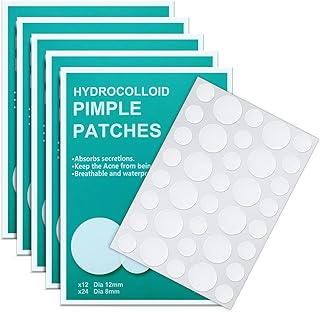
In the ever-evolving world of skincare, few products have achieved viral status and genuine efficacy quite like hydrocolloid patches. These transparent, sticker-like treatments have moved from professional wound care into the daily routines of millions seeking clear skin. But what exactly are they, and how do they transform a red, angry blemish into a flat, healing spot overnight? This deep dive explores the science, benefits, and optimal use of hydrocolloid technology for acne.
At their core, hydrocolloid patches are made from a gel-forming polymer, typically carboxymethyl cellulose, on an adhesive backing. Originally developed for managing exudative wounds like ulcers and burns, their superpower is absorption. When applied to a moist wound—or in our case, an open or "weeping" pimple—the hydrocolloid material creates a moist healing environment while drawing out fluids, pus, and impurities. This process is called occlusion, and it's the secret to their rapid results.
How Hydrocolloid Patches Work on Acne: A Step-by-Step Process
The magic happens through a simple yet effective mechanical process. First, the adhesive seal protects the pimple from external bacteria, dirt, and the temptation to pick—a major cause of scarring and prolonged inflammation. Second, the hydrocolloid core acts like a magnet for moisture. It pulls the fluid from inside the whitehead or cystic acne, visibly shrinking the lesion. You'll often see the patch turn white and swollen; that's a sign it's working, not a defect.
This absorption serves multiple purposes: it reduces swelling and redness, flattens the pimple's profile, and removes the inflammatory debris that can clog surrounding pores. Unlike harsh spot treatments that can dry out and irritate the entire area, patches provide targeted, gentle therapy. For those struggling with persistent whiteheads or post-extraction spots, they are a game-changer, preventing re-infection and promoting cleaner healing.
Beyond Absorption: The Healing Benefits of Pimple Patches
While fluid extraction is the headline act, the benefits of hydrocolloid patches extend further. By maintaining a moist environment, they actually accelerate the skin's natural healing process. Studies in wound care show that moist wounds heal up to 40% faster than dry, scabbed ones. This principle translates directly to acne: faster healing means less time for post-inflammatory hyperpigmentation (those dark marks) to set in.
Furthermore, the physical barrier is a powerful behavioral tool. For chronic pickers and touchers, covering the blemish removes the visual and tactile trigger. This simple act can break the cycle of picking, which is crucial for preventing scars. Many users also find them invaluable for wearing under makeup during the day, providing a smooth base and preventing makeup from settling into and irritating the pimple.
Choosing the Right Patch: Sizes, Shapes, and Additives
Not all patches are created equal. The original hydrocolloid technology has been adapted into various forms. Standard patches, like the popular Mighty Patch™ Original from Hero Cosmetics, are perfect for standard whiteheads and smaller zits. For larger, cystic acne or clusters, larger or specially shaped patches are available. Some brands infuse their patches with additional actives like salicylic acid (to exfoliate inside the pore), tea tree oil (for antibacterial properties), or niacinamide (to soothe redness).
For most users, starting with a simple, pure hydrocolloid formula is best to see how your skin reacts. The Hero Cosmetics Mighty Patch™ is a benchmark in this category, praised for its strong adhesion and clear results. It's crucial to apply them to clean, dry skin and only on pimples that have a head or are open (microneedled or gently lanced). They are less effective on closed, under-the-skin nodules.
Integrating Hydrocolloid Patches into Your Skincare Routine
These patches are not a replacement for a holistic acne-fighting regimen but a powerful tactical tool. Use them as the final step in your evening routine after cleansing, toning, and applying serums. Avoid applying thick creams or oils directly underneath the patch, as this can hinder adhesion. For daytime use, ensure your moisturizer is fully absorbed before application.
The rise of acne pimple patches represents a shift towards kinder, more targeted acne care. They embody the "do no harm" philosophy, working with the skin's biology rather than attacking it with aggression. As more people discover their benefits, they have cemented their place as a staple in modern skincare arsenals, proving that sometimes the simplest, most science-backed solutions are the most revolutionary.
Whether you're dealing with occasional breakouts or managing more persistent acne, having a box of hydrocolloid patches like the Mighty Patch™ on hand provides a reliable, effective, and non-invasive first line of defense. Their ability to deliver visible results overnight makes them not just a treatment, but a true skincare peace of mind.