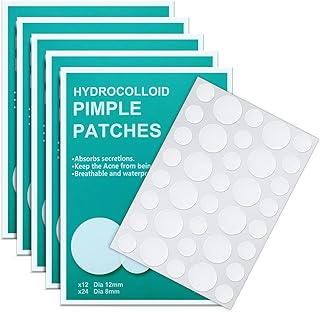
In the world of modern wound care, few innovations have been as quietly revolutionary as hydrocolloid patches. While small, pre-cut patches for acne have dominated the skincare conversation, a more versatile and powerful format exists: the hydrocolloid roll bandage. This flexible, cut-to-size solution offers unparalleled adaptability for treating a wide range of skin concerns, from painful burns and friction blisters to persistent body acne. Unlike standard bandages that simply cover a wound, hydrocolloid technology creates an optimal moist healing environment, accelerating recovery while protecting against infection and external irritants.
This comprehensive guide will delve into the science, benefits, and practical applications of hydrocolloid roll bandages. We'll explore why this format, such as the 2IN x 5FT Extra Large Hydrocolloid Patch, is becoming an essential item in first-aid kits, athletic bags, and medicine cabinets for those seeking effective, multi-purpose wound management.
What Are Hydrocolloid Roll Bandages and How Do They Work?
Hydrocolloid roll bandages are a type of advanced wound dressing made from a gel-forming matrix, typically containing materials like gelatin, pectin, and carboxymethylcellulose. This matrix is bonded to a flexible, waterproof outer layer, often polyurethane. When applied to a wound, the hydrocolloid material interacts with wound fluid to form a soft, protective gel. This gel maintains a moist environment, which is clinically proven to support faster healing compared to dry scabbing. The roll format provides a significant advantage: it can be cut to the exact size and shape needed, making it perfect for irregularly shaped wounds or larger areas that standard patches can't cover.
The key mechanism is absorption and insulation. The dressing absorbs excess exudate (wound fluid) while locking in beneficial moisture at the wound site. This not only promotes cellular regeneration but also creates a cushioning barrier that reduces pain and friction. The waterproof outer layer acts as a robust shield against water, dirt, and bacteria, allowing for normal showering and activity without compromising the wound. For a deeper dive into the technology, explore our guide on hydrocolloid patches and their core principles.
Key Benefits of Using a Hydrocolloid Roll for Wound Care
The shift from traditional gauze to hydrocolloid technology represents a major leap in at-home care. Here are the primary benefits that make hydrocolloid rolls a superior choice:
- Ultra-Absorbent & Manages Moisture: Effectively absorbs wound fluid while preventing maceration (over-saturation) of the surrounding healthy skin. This balance is crucial for clean healing.
- Flexible & Conformable: The material moves with your skin, making it ideal for joints, heels, or other high-mobility areas where rigid bandages would fail.
- Waterproof Protection: Creates a reliable seal that keeps water, soap, and contaminants out, enabling daily hygiene without changing the dressing.
- Cut-to-Size Versatility: One roll can address countless needs—from a small pimple to a large burn area—eliminating the need for multiple specialized bandage sizes.
- Promotes Autolytic Debridement: The moist environment gently helps the body break down and remove dead tissue, a natural cleansing process essential for proper healing.
- Reduces Scarring: By supporting faster, uninterrupted healing in a moist environment, hydrocolloid dressings can minimize the appearance of scars.
- Self-Adhesive & Pain-Free Removal: They adhere securely to dry skin but are designed to be removed gently, often without pulling on delicate new tissue or hair.
Practical Applications: Treating Burns, Blisters, and Acne
1. Burn Care (Minor First-Degree and Small Second-Degree)
For minor thermal burns, sunburns, or friction burns, a hydrocolloid roll is exceptionally effective. After cooling the burn with cool (not cold) water, pat the area dry. Cut a piece of the hydrocolloid roll to fully cover the burned area with a slight margin. The dressing will soothe the pain, protect the sensitive skin from air exposure (a major source of pain), and create the ideal environment for healing. It also forms a protective barrier against infection. The waterproof nature means you can shower without worrying. For more on specialized burn care products, check our burn care resources.
2. Blister Prevention and Treatment
Blisters from new shoes, sports, or manual labor are a prime target for hydrocolloid rolls. For prevention, apply a cut piece over known hot spots (heels, toes) before activity. The low-friction surface and cushioning absorb shear forces. For treatment of an existing blister, if it's intact (closed), apply the hydrocolloid directly. It will cushion it and often allow the fluid to be reabsorbed. If the blister has opened, the hydrocolloid will protect the raw skin, absorb exudate, and drastically reduce pain. Its flexibility is perfect for the curved surface of a heel. Discover more tips in our blister care section.
3. Body Acne and Cystic Acne Management
While small facial patches are popular, body acne on the back, chest, or shoulders often requires larger coverage. A hydrocolloid roll allows you to customize a patch for a single large cyst or cluster of pimples. Clean the area, cut a piece to cover the blemish(es), and apply. The dressing will absorb pus and oil, reduce inflammation, and prevent picking and secondary infection. It's particularly useful overnight. This makes it a powerful tool for those managing acne care beyond the face.
How to Use a Hydrocolloid Roll Bandage: A Step-by-Step Guide
Using a product like the Hydrocolloid Roll Bandage, 2IN x 5FT is straightforward, but proper technique ensures maximum effectiveness.
- Clean and Dry: Gently cleanse the wound or affected area with mild soap and water or a saline solution. Pat thoroughly dry with a clean towel. The adhesive requires a dry surface to stick properly.
- Measure and Cut: Unroll the bandage and use clean scissors to cut a piece that covers the entire wound with at least a 1/2 to 1-inch border of healthy skin around it. For irregular shapes, you can roughly cut to match.
- Apply: Peel off the protective backing and carefully apply the patch, smoothing it from the center outward to avoid wrinkles and ensure a complete seal on the edges. There's no need to stretch the material.
- Monitor and Change: A hydrocolloid dressing can typically be left on for 3 to 5 days, or until it starts to "fill up" and lose adhesion at the edges. The gel under the patch may appear white or cloudy—this is normal and indicates it's absorbing fluid.
- Remove: Gently lift an edge and peel slowly back over itself, parallel to the skin. If there's resistance, use warm water to help loosen the adhesive. Dispose of the used dressing.
Why Choose a Roll Over Pre-Cut Patches?
The decision between a roll and pre-cut patches boils down to versatility, cost-effectiveness, and coverage area. Pre-cut hydrocolloid patches are incredibly convenient for standardized, small wounds like typical facial acne. However, for anything larger, irregularly shaped, or located on a curved body part, a roll is indispensable. A single 2-inch by 5-foot roll provides far more usable material for the price, making it economical for frequent use or treating multiple areas. It eliminates the frustration of not having the right size patch on hand, as you can always create it. For families, athletes, or individuals with chronic skin conditions, the roll is the logical, all-in-one solution.
Frequently Asked Questions About Hydrocolloid Rolls
Can I use it on an infected wound?
No. Hydrocolloid dressings are designed for clean, minimally exuding wounds. They are not suitable for wounds with signs of active infection (increasing redness, swelling, heat, pus, or fever). Infected wounds require medical evaluation and may need antimicrobial dressings.
Is the adhesive safe for sensitive skin?
Most hydrocolloid dressings use a hypoallergenic adhesive. However, as with any product, a small number of people may experience irritation. It's always wise to test a small piece on unaffected skin for 24 hours before widespread use, especially if you have known adhesive sensitivities.
How do I know when to change the dressing?
Change the dressing if it starts to leak, the edges are no longer sealed, or if it has been on for 5-7 days. The hydrocolloid gel will swell and become opaque as it absorbs fluid, which is a visual indicator of its activity, not necessarily a sign it needs immediate changing.
Conclusion: A Must-Have for Proactive Wound Management
Hydrocolloid roll bandages represent a paradigm shift in accessible, advanced wound care. By combining the proven science of moist wound healing with unparalleled flexibility and convenience, they empower individuals to effectively manage common injuries and skin issues at home. Whether you're an athlete prone to blisters, someone dealing with body acne, or simply want a superior option for minor burns and cuts, keeping a hydrocolloid roll in your first-aid kit is a wise investment in your health and comfort. Its cut-to-size and waterproof properties make it a versatile champion, ready to conform to your unique healing needs.