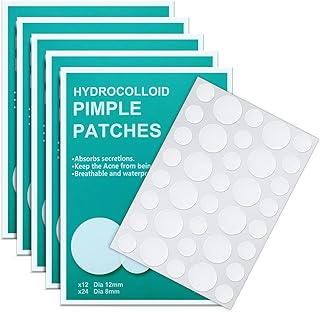
If you've scrolled through skincare social media lately, you've likely seen the viral trend: tiny, translucent dots adorning faces, promising to vanquish pimples overnight. These are hydrocolloid patches, and they've moved from a dermatologist's secret to a bathroom cabinet staple. But what exactly are they, and do they live up to the hype? This guide dives deep into the world of hydrocolloid acne treatment, separating fact from fiction and helping you decide if they should be part of your skincare arsenal.
What Are Hydrocolloid Patches and How Do They Work?
The magic of these patches lies in their material. Hydrocolloid is a gel-forming agent, traditionally used in advanced wound care for its incredible absorbent properties. When applied to a wound—or in this case, a blemish—it creates a moist healing environment. For acne, this means the patch adheres to the skin and acts like a targeted vacuum. It draws out excess fluid, oil, pus, and debris from the pimple, effectively flattening and reducing inflammation. Simultaneously, it forms a protective barrier against dirt, bacteria, and the temptation to pick, which is a major cause of scarring.
The Multifaceted Benefits of Using Pimple Patches
Why have acne patches become so popular? The benefits are tangible and user-friendly. First and foremost, they significantly speed up healing time. A pimple that might linger for a week can often be resolved in 1-2 days with consistent patch use. They prevent picking, a crucial step in avoiding post-inflammatory hyperpigmentation (dark spots) and scars. For those who wear makeup, certain invisible patches can be worn underneath it, providing treatment throughout the day. They're also incredibly convenient, offering a no-mess, targeted solution perfect for spot-treating the occasional breakout.
Choosing the Right Patch: Sizes, Shapes, and Additives
Not all patches are created equal. The market offers a variety to suit different needs. Standard round patches are great for typical whiteheads. For larger, cystic acne or clusters on the body, large hydrocolloid patches or sheets you can cut to size are more effective. Some brands infuse their patches with additional active ingredients like salicylic acid to exfoliate, tea tree oil for antimicrobial action, or niacinamide for calming redness. A product like the SDA LABORATORIES Magic Pimple Patch offers a compelling value with 108 patches in a pack, providing an affordable solution for frequent users. Its description as "invisible" and suitable for face and body makes it a versatile option in the pimple patches category.
How to Use Hydrocolloid Patches for Maximum Effect
For best results, start with clean, dry skin. Gently cleanse your face and pat it dry. The patch will only adhere properly and work effectively on a pimple that has come to a head (a whitehead) or is leaking fluid. It is less effective on blind, deep cystic bumps with no surface opening. Press the patch firmly onto the blemish, ensuring the edges are sealed. Most brands recommend leaving it on for at least 6-8 hours, ideally overnight. When you remove it, you'll often see the patch has turned white—this is the fluid it has absorbed. Discard the used patch and admire a noticeably flatter, less angry blemish.
Addressing Common Questions and Concerns
Can I wear them under makeup?
Yes, many of the ultra-thin, "invisible" or matte-finish patches are designed to be virtually undetectable under foundation or concealer. However, ensure the area is completely dry before applying makeup to prevent the patch from peeling.
Are they suitable for all skin types?
Absolutely. Hydrocolloid is non-irritating and non-comedogenic. It's safe for sensitive, oily, dry, and combination skin types. The barrier it creates can actually help other irritated skin conditions beyond acne.
Do they work on body acne?
Yes, they are excellent for treating bacne or chest acne. Using larger patches or sheets specifically designed for the body, like those mentioned in multi-use packs, can be very effective. The key is ensuring the patch can adhere to the area, which may require trimming body hair.
Can they prevent pimples?
While primarily a treatment, some users find that applying a patch to a red, tender bump *before* it fully forms can help draw out the infection and stop it in its tracks, acting as a preventive measure.
Integrating Patches into Your Overall Skincare Routine
Hydrocolloid patches are a powerful tool, but they are not a standalone solution for chronic acne. They should be used as a targeted spot treatment within a consistent skincare regimen. This routine should include a gentle cleanser, a treatment serum (with ingredients like salicylic acid or benzoyl peroxide for overall prevention), moisturizer, and daily sunscreen. Think of patches as your emergency responders, while your daily routine is the preventive police force keeping breakouts at bay.
Final Verdict: Are Hydrocolloid Patches Worth It?
For anyone dealing with occasional to moderate inflammatory acne (whiteheads and pustules), hydrocolloid patches are undoubtedly worth trying. They offer a scientifically-backed, simple, and effective way to manage individual blemishes, reduce healing time, and prevent scarring from picking. Their value, especially in bulk packs like the 108-count option from SDA LABORATORIES, makes them an affordable experiment. While they won't cure hormonal or severe cystic acne on their own, as part of a holistic approach to acne treatment, they are a game-changer for achieving clearer, calmer skin with minimal fuss.