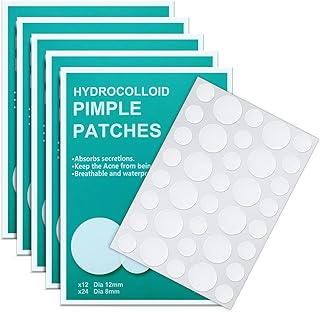
In the ever-evolving world of skincare, few products have achieved the viral, cult-like status of hydrocolloid patches. Once a secret known mainly to dermatologists and skincare enthusiasts, these tiny, often invisible stickers have become a bathroom cabinet staple for millions seeking a quick, effective solution for pesky breakouts. But what exactly are they, and how do they transform an angry, red pimple into a flattened, healing spot overnight? This deep dive explores the science, undeniable benefits, and practical guidance for integrating this powerful acne treatment into your routine.
At their core, hydrocolloid patches are advanced wound dressings adapted for cosmetic use. Originally developed for hospitals to manage exuding wounds, burns, and ulcers, the technology leverages a hydrocolloid material—a gel-forming agent combined with other materials like gelatin and pectin—that creates a moist healing environment. When applied to a pimple, this material performs a simple yet miraculous task: it absorbs excess fluid, oil, and debris from the blemish while protecting it from external bacteria and your picking fingers.
The Science Behind the Magic: How Hydrocolloid Patches Work
The efficacy of a pimple patch isn't magic; it's rooted in proven medical science. A pimple, especially a whitehead or a pimple that has come to a head, is essentially a localized, minor wound filled with sebum (oil), dead skin cells, and bacteria (P. acnes). The patch acts as a second skin. Its hydrocolloid core is hydrophilic, meaning it loves water. It draws out the purulent material—the "gunk"—from the pimple through a process called absorption. This not only flattens the lesion visually but also removes the irritants that cause inflammation and redness.
Simultaneously, the patch creates an optimal moist wound-healing environment. Contrary to old beliefs that wounds should dry out, modern medicine shows that a moist environment accelerates cell regeneration and reduces scarring. By sealing the pimple, the patch prevents scab formation, minimizes trauma from touching, and allows the skin underneath to repair itself efficiently. This is why a well-timed patch can significantly reduce the lifespan of a breakout and is a crucial tool for anyone concerned about blemish cover and post-inflammatory hyperpigmentation.
Beyond Absorption: The Multifaceted Benefits of Pimple Patches
While fluid absorption is their headline act, the benefits of hydrocolloid acne patches extend much further, making them a multifaceted skincare essential.
- Physical Barrier Against Picking: Perhaps the most underrated benefit is that they act as a physical deterrent. Picking and popping pimples is a primary cause of scarring, increased inflammation, and spreading bacteria. A patch covers the temptation, allowing the skin to heal undisturbed.
- Protection from Dirt and Bacteria: The adhesive seal keeps out environmental pollutants, makeup, and additional bacteria, preventing secondary infection.
- Reduced Inflammation and Redness: By removing the inflammatory material, the patch directly calms the area. Many users notice a dramatic reduction in redness and swelling after just a few hours of wear.
- Invisible & Versatile Wear: Modern patches, especially those labeled as "invisible" or "ultra-thin," are designed to be worn discreetly day or night. Their versatility makes them perfect for invisible acne patches treatment under makeup or while sleeping.
- Preventative Care: Some users apply patches to areas that feel tender or where a pimple is forming under the skin (a "blind pimple"). The pressure and protective environment can sometimes stop it from fully erupting.
Choosing the Right Hydrocolloid Patch: A Buyer's Guide
Not all hydrocolloid patches are created equal. The market is flooded with options, varying in size, thickness, adhesive strength, and added ingredients. Your choice should depend on your specific needs and the type of blemish you're treating.
Size and Shape: For individual whiteheads or small pimples, standard small round patches (often 10-12mm) are perfect. For clusters, larger patches, or oddly shaped blemishes, consider patches that come in various sizes or larger spot-specific shapes. Some brands offer "micro-point" or extra-small patches for under-the-skin bumps.
Thickness and Visibility: If you plan to wear patches during the day, opt for ultra-thin, matte-finish variants that are truly invisible acne patches. Thicker patches may be more absorbent but are better suited for overnight use.
Adhesive Strength: A good patch should stay put through sleep, sweat, and even a gentle cleanse. Look for patches with strong, skin-friendly adhesive that won't irritate the surrounding skin upon removal.
Added Ingredients: While pure hydrocolloid is effective, many patches now include added actives like salicylic acid (to exfoliate inside the pimple), tea tree oil (for antibacterial properties), niacinamide (to soothe and reduce redness), or centella asiatica (for healing). These can enhance the treatment but may not be necessary for everyone.
Value and Count: Acne can be unpredictable. A bulk pack offering great value, like the PICcircuit 180 Counts Pimple Patches, ensures you're never caught without this essential spot treatment. Having a generous supply encourages consistent use, which is key to managing breakouts effectively.
How to Use Hydrocolloid Patches for Maximum Effect
To get the most out of your patches, technique matters. Follow these steps for optimal results:
- Start with Clean, Dry Skin: Gently cleanse and pat your face completely dry. Any moisture, oil, or product residue will prevent the patch from adhering properly.
- Apply on a "Ready" Blemish: Hydrocolloid patches work best on pimples that have a visible head or have been gently lanced with a sterilized tool. They are less effective on deep, cystic acne with no opening.
- Press and Hold: Place the patch directly over the blemish, ensuring the edges are sealed flat against the skin. Press firmly for 10-15 seconds to activate the adhesive.
- Leave It On: For best results, leave the patch on for at least 6-8 hours, ideally overnight. You'll know it's working when you see the white, saturated core.
- Remove and Discard: Gently peel off the patch. If there's resistance, dampen the area with water. Do not reuse a patch. The blemish should appear significantly flatter and less red. Follow with your regular skincare routine.
Dispelling Common Myths About Hydrocolloid Patches
Despite their popularity, misconceptions persist. Let's clarify a few:
Myth 1: They "Suck Out" Everything Instantly. Reality: They absorb excess fluid, but they won't remove a deep cyst. They are a management and healing tool, not a magic eraser.
Myth 2: They Work on All Types of Acne. Reality: They are most effective on open blemishes (whiteheads, picked spots). For closed comedones or severe cystic acne, other treatments like retinoids are more appropriate.
Myth 3: They Can Be Reused. Reality: Absolutely not. Once the hydrocolloid material is saturated, it loses its absorbency and is covered in bacteria and debris from your skin. Always use a fresh patch.
Myth 4: They Are a Complete Acne Solution. Reality: Patches are a phenomenal spot treatment, but they do not address the root causes of acne like hormonal fluctuations or overproduction of sebum. They should be part of a comprehensive skincare regimen that includes cleansers, actives, and moisturizers.
Integrating Patches into Your Holistic Skincare Routine
Hydrocolloid patches are not a standalone cure but a powerful tactical weapon in your skincare arsenal. For holistic acne management, pair them with a consistent routine: a gentle cleanser, a non-comedogenic moisturizer, and targeted actives like salicylic acid or benzoyl peroxide for prevention. Use the patches as an emergency response for active breakouts. Keeping a pack like the versatile zit stickers from PICcircuit on hand ensures you're always prepared to tackle a surprise pimple head-on, minimizing its impact and supporting your skin's natural healing process for a clearer, calmer complexion.


