Choosing the right graphics card is a critical decision for any PC gamer or creator. With the rapid pace of innovation from AMD, the landscape is constantly shifting. Today, we're putting the spotlight on two powerful contenders: the anticipated next-generation XFX Swift AMD Radeon RX 9070XT and its formidable predecessor, the AMD Radeon RX 7900 XTX. This guide will dissect their specifications, cooling solutions, gaming performance, and overall value to help you determine which GPU is the right investment for your high-performance rig.
Architectural Evolution: RDNA 4 vs. RDNA 3
The core of any GPU's performance lies in its architecture. The RX 9070XT is expected to be built on AMD's next-generation RDNA 4 architecture. While full details are under wraps, industry trends suggest focus areas will include improved ray tracing performance, enhanced AI upscaling capabilities (building upon FSR), and greater power efficiency. The goal is to deliver more performance per watt, a crucial metric for both performance and thermals.
In contrast, the 7900 XTX is powered by the proven RDNA 3 architecture. Its key innovation was the chiplet design, separating the Graphics Compute Die (GCD) from the Memory Cache Dies (MCDs). This design allowed for significant gains in memory bandwidth and efficiency. For gamers, RDNA 3 brought excellent rasterization performance and a solid foundation for technologies like FidelityFX Super Resolution (FSR). Understanding this architectural leap is key to anticipating where the 9070XT might shine.
Specifications Face-Off: Raw Power on Paper
Let's break down the known and anticipated specs. The XFX Swift RX 9070XT is listed with 16GB of GDDR6 memory. This is a substantial pool of VRAM, perfectly suited for modern games at 4K resolution with high-resolution textures, and it future-proofs your system for upcoming titles that demand more memory. The triple-fan cooling solution, a hallmark of XFX's gaming graphics cards, suggests a design focused on managing the thermal output of a high-performance chip.
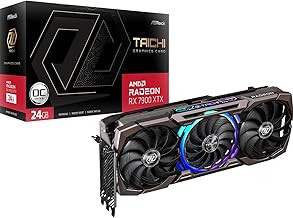
The 7900 XTX, on the other hand, features 24GB of faster GDDR6 memory. This larger capacity gives it a clear edge in memory-intensive workloads like professional content creation or extreme 4K/8K gaming with all settings maxed out. Its core count and clock speeds are well-documented, establishing it as a high-performance GPU that dominates in traditional rasterization. The spec sheet battle often comes down to this: the 9070XT's next-gen efficiency and features versus the 7900 XTX's raw memory bandwidth and capacity.
Cooling and Acoustics: Keeping Performance Stable
Effective cooling is non-negotiable for sustaining boost clocks and ensuring longevity. The XFX Swift 9070XT employs a triple-fan cooling system. This design typically allows for larger heatsinks and more surface area for heat dissipation, often enabling quieter operation as fans don't need to spin as fast to move the same volume of air. XFX's custom designs usually include features like reinforced frames and optimized heat pipe layouts to manage thermals effectively.
Many 7900 XTX models from partners like Sapphire, PowerColor, and XFX itself also feature robust triple-fan coolers. The thermal performance of these cards is excellent, often keeping junction temperatures well within safe limits even under heavy 4K loads. The real differentiator for the 9070XT will be if its presumed RDNA 4 efficiency translates to lower heat output, allowing its cooler to operate even more quietly or maintain higher sustained clocks.
Gaming Performance: 4K and Beyond
This is where the rubber meets the road. For 4K gaming, both GPUs are designed to be contenders. The 7900 XTX has established itself as a 4K powerhouse, delivering high frame rates in most titles with rasterized settings maxed out. Its performance in ray tracing titles is good and has been improved with driver updates, though it traditionally trails its direct competitor from NVIDIA in this specific area.
The RX 9070XT's performance is the big question. If RDNA 4 delivers on its promises, we can expect significant gains in ray tracing performance, potentially closing the gap. Furthermore, advancements in AMD's upscaling technology (FSR) could mean that the 9070XT delivers a superior 4K gaming experience with upscaling enabled, even if its raw rasterization power is similar to or slightly above the 7900 XTX. The 16GB of VRAM, while less than the 7900 XTX's 24GB, is still more than enough for a flawless 4K gaming experience in nearly all current titles.
Target Resolution and Use Case Analysis
Your primary resolution and use case should guide your choice. For a pure, no-compromise 4K gamer who wants the absolute highest frame rates today and plays a mix of rasterized and ray-traced games, the 7900 XTX is a proven, incredibly powerful option. Its 24GB frame buffer is also a major asset for creative professionals who use their GPU for rendering, video editing, or 3D modeling.
For the forward-looking gamer who values next-generation features, potential efficiency gains, and wants to be on the latest architecture, the XFX RX 9070XT is an exciting prospect. If its architectural improvements in ray tracing and AI upscaling are substantial, it could offer a more future-proofed experience for upcoming games that leverage these technologies more heavily. It represents the next step in PC gaming hardware evolution.
Value and Pricing Considerations
Value is more than just the sticker price; it's performance per dollar over the lifespan of the card. The 7900 XTX now exists in a market where its price has settled post-launch, and it frequently goes on sale. This makes it an exceptional value for the level of 4K performance it delivers. You're buying a known quantity with proven driver maturity and game optimization.
The RX 9070XT will likely command a launch price premium, as new tech often does. Its value proposition hinges entirely on the magnitude of its performance and feature leap over the previous generation. If it offers a 20-30% performance uplift in next-gen titles with advanced effects, its price could be justified. However, if the gains are more modest, the discounted 7900 XTX becomes an even more compelling purchase for the performance-conscious buyer.
Final Verdict: Which GPU Should You Choose?
The choice between these two bestseller GPU contenders isn't clear-cut; it depends on your priorities. If you need the absolute best performance today, have a use for 24GB of VRAM, and want to buy a card with established reviews and stable drivers, the AMD Radeon RX 7900 XTX remains a top-tier, fantastic choice. It's a known entity that delivers exceptional 4K gaming.
If you are building a new system and want to invest in the latest architecture with promised improvements in efficiency, ray tracing, and future game support, waiting for the XFX Swift AMD Radeon RX 9070XT is a strategic move. It represents the next wave of AMD gaming technology. Ultimately, both cards exemplify the incredible power available to PC gaming hardware enthusiasts today, ensuring an immersive and high-fidelity gaming experience regardless of which path you choose.