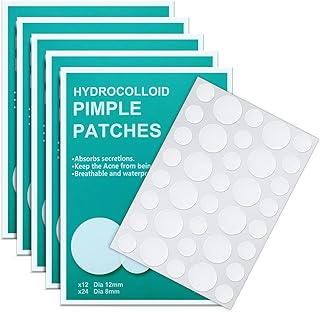
In the ever-evolving world of skincare, few products have gained such rapid and devoted popularity as hydrocolloid patches. These unassuming, translucent stickers have become a staple in medicine cabinets and beauty routines worldwide, promising a targeted, science-backed approach to tackling blemishes. But what exactly are they, and how do they deliver on their promises? This comprehensive guide will delve into the science, benefits, and best practices for using hydrocolloid patches, empowering you to make the most of this innovative skincare tool.
What Are Hydrocolloid Patches?
At their core, hydrocolloid patches are advanced wound dressings adapted for cosmetic use. The term "hydrocolloid" refers to a gel-forming substance that absorbs moisture. Originally developed for the medical field to treat ulcers, burns, and post-surgical wounds, this technology creates a moist healing environment that promotes faster tissue repair and protects from external bacteria. When applied to a pimple, this same principle goes to work on your skin.
How Do Hydrocolloid Patches Work? The Science Explained
The magic of a hydrocolloid patch lies in its absorbent polymer matrix. When placed over a blemish—particularly one that's come to a head or has been gently lanced—the patch acts like a microscopic sponge. It draws out excess fluid, oil, and pus from the pimple into its core. This not only flattens the lesion visually but also removes impurities that can cause further inflammation. Simultaneously, the patch creates an optimal, occlusive healing environment. This barrier keeps the wound clean, prevents picking (a major cause of scarring and prolonged healing), and allows the skin underneath to regenerate efficiently. It's a targeted, hygienic, and highly effective form of spot treatment.
Key Benefits of Using Hydrocolloid Patches
The advantages of incorporating these patches into your routine are numerous and backed by both dermatological science and user experience.
- Accelerated Healing: By maintaining a moist environment, they can reduce healing time significantly compared to leaving a pimple exposed to air.
- Prevention of Picking and Scarring: The physical barrier is a powerful deterrent against touching, squeezing, or picking at blemishes, which is the primary cause of post-inflammatory hyperpigmentation (PIH) and scarring.
- Absorption of Impurities: They visibly pull fluid and debris from the blemish, reducing swelling and redness overnight.
- Protection from Bacteria: The seal helps prevent new bacteria from entering the wound, reducing the risk of secondary infection.
- Discreet and Convenient: Modern patches are incredibly thin and skin-toned, making them wearable during the day or invisible under makeup for some users.
When and How to Use Hydrocolloid Patches Effectively
For optimal results, it's crucial to use hydrocolloid patches correctly. They are most effective on pimples that have a visible whitehead or have been gently extracted. They are less effective on deep, cystic acne that hasn't reached the surface, as there's no opening for the patch to draw from. Start with clean, dry skin. If the pimple has a head, you can very gently lance it with a sterilized needle to create a tiny opening. Immediately apply the patch, ensuring the adhesive seals completely around the blemish. Leave it on for at least 6-8 hours, preferably overnight. Once removed, you'll often see the absorbed fluids on the patch, and the pimple will be noticeably flatter and less red.
Choosing the Right Hydrocolloid Patches for Your Skin
Not all patches are created equal. When selecting a product, consider thickness, adhesive strength, and size variety. Thinner patches are more discreet for daytime use, while thicker ones may have greater absorbency. Look for packs that include a mix of sizes to cover everything from tiny blackheads to larger cysts. Some advanced formulations even include added ingredients like salicylic acid, tea tree oil, or niacinamide in the surrounding adhesive to provide additional anti-inflammatory and healing benefits beyond simple absorption.
Common Myths and Misconceptions Debunked
A prevalent myth is that hydrocolloid patches "suck out" the entire pimple from deep within the pore. In reality, they absorb excess exudate (fluid) from an existing opening; they do not dissolve the plug deep in the follicle. Another misconception is that they work on any type of acne. As mentioned, they are a treatment for surface-level blemishes with fluid, not a cure for hormonal or cystic acne. Understanding their specific function helps set realistic expectations and leads to greater satisfaction with the results.
Integrating Patches into a Holistic Skincare Routine
Hydrocolloid patches are a powerful reactive tool, but they work best within a proactive skincare regimen. A consistent routine featuring a gentle cleanser, non-comedogenic moisturizer, and proven actives like retinoids or benzoyl peroxide can help prevent breakouts from forming in the first place. Use patches as your secret weapon for when a blemish does appear, following up with soothing and barrier-repairing ingredients like centella asiatica or ceramides. For more insights on building a balanced routine, explore our resources on effective acne treatment strategies.
Conclusion: A Simple Solution for Complex Skin Concerns
Hydrocolloid patches represent a beautiful marriage of medical technology and cosmetic convenience. They offer a simple, targeted, and evidence-based method to manage occasional breakouts, minimize damage from picking, and support the skin's natural healing process. By understanding how they work and using them strategically, you can transform these tiny patches into one of the most valuable tools in your skincare arsenal. Remember, for persistent or severe acne, consulting a dermatologist is always recommended to address the root cause.