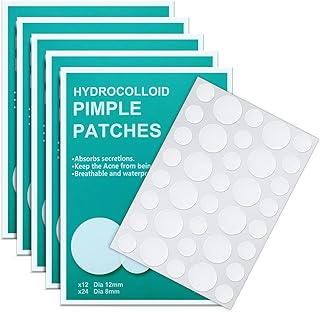
If you've ever stared at a new pimple and wished for a magic wand, you're not alone. The quest for effective, non-irritating acne solutions is universal. Enter hydrocolloid patches, a skincare innovation that has transformed spot treatment from a guessing game into a targeted science. Unlike harsh creams that can dry out surrounding skin, these discreet stickers work by creating an optimal healing environment, absorbing excess fluid and protecting the blemish from bacteria and picking. But with so many shapes and sizes now available—from tiny dots to large strips and specially contoured patches—how do you know which one to use? This guide will demystify hydrocolloid acne patches, focusing on the strategic use of different sizes and shapes for areas like the cheeks, forehead, and chin.
What Are Hydrocolloid Patches and How Do They Work?
At their core, hydrocolloid patches are made from a gel-forming material originally used in wound care. When applied to a pimple, they adhere to the skin and absorb pus, oil, and other impurities into their core. This serves multiple purposes: it reduces inflammation and size, prevents you from touching or picking (a major cause of scarring), and creates a protective barrier against dirt and bacteria. The result is a blemish that heals faster and with less noticeable aftermath. For anyone building a reliable acne treatment arsenal, understanding this mechanism is the first step toward using them effectively.
Decoding the Shapes: Dots, Strips, and Contours
The Humble Dot: For Targeted, Isolated Breakouts
Small, round dots are the most common and versatile type of pimple patch. They are perfect for individual whiteheads or smaller, raised blemishes. Their discreet size makes them ideal for daytime wear under makeup or for treating a single spot without covering a large area of healthy skin. When choosing a dot, consider the thickness; some are ultra-thin for invisibility, while others are thicker for greater absorbency on more developed pimples.
The Mighty Strip: Covering Clusters and Larger Areas
Hydrocolloid strips are rectangular or square sheets that can be cut to size. They are the go-to solution for clusters of pimples, larger cystic acne, or areas where you're experiencing a breakout spread. A strip can provide a protective blanket over an entire troubled zone on your cheek or jawline, preventing cross-contamination between blemishes. They are also excellent for covering healing extractions.
Contoured & Specialty Shapes: For the Tricky Spots
This is where modern pimple patches truly shine. Recognizing that not all facial terrain is flat, brands now offer patches pre-cut into shapes that conform to specific curves. You'll find crescent-moon shapes designed to hug the curve under the eye or the side of the nose, and chin-shaped patches that cover the entire chin point. These contoured options ensure full adhesion and coverage on areas where standard dots or strips might peel up at the edges, guaranteeing the patch stays put and works effectively.
Matching the Patch to the Problem Area
Forehead Breakouts
The forehead is relatively flat but can be oily. For a single pimple, a standard dot works well. For a scattered breakout or larger pores in the T-zone, a larger dot or a small strip can be more effective. Since forehead skin can be in constant motion (raising eyebrows), ensure the patch has strong adhesion.
Cheek Acne
Cheeks can host both isolated pimples and widespread clusters. Individual spots respond well to dots. For a cluster, a contoured patch designed for the cheek or a custom-cut strip provides comprehensive coverage. Cheek acne is often linked to phone use, pillowcases, or makeup brushes, so the protective barrier function of a patch is especially valuable here.
Chin and Jawline Blemishes
This area, often affected by hormonal acne, can feature deep, painful cysts and uneven surfaces. Small dots may not suffice for larger cysts. Here, contoured chin patches or larger absorbent strips are ideal. They apply consistent pressure and absorption across the complex curves of the jaw and chin, areas where traditional acne stickers might fail to seal properly.
Common Mistakes to Avoid with Pimple Patches
Even the best skincare tools can underperform if used incorrectly. A major mistake is applying a patch to a pimple that hasn't come to a head. Hydrocolloid technology works by absorbing; it needs a surface opening or a very thin layer of skin to pull fluid from. Applying it to a closed, deep cyst will have little effect. Another error is not cleansing and drying the skin thoroughly before application, which compromises adhesion. Finally, leaving a patch on for too long after it's fully saturated (turning white) reduces its efficacy and can irritate the skin.
Why a Multi-Size Kit is a Skincare Game-Changer
Given the variety of blemish types and locations, having only one patch size is like having only one wrench in a toolbox—it might work sometimes, but it's not optimal. A comprehensive kit, like the TKTK 443 Count Pimple Patches, solves this by offering dots, strips, and contoured shapes in five sizes. This allows you to strategically select the perfect blemish cover for a tiny forehead spot, a cheek cluster, or a painful chin cyst without waste. Bulk packages ensure you're never caught without the right tool for the job, making consistent treatment affordable and convenient.
Maximizing Results: A Step-by-Step Application Guide
- Cleanse & Dry: Gently wash your face with a mild cleanser and pat the area completely dry. Oils or moisture will prevent the patch from sticking.
- Identify the Blemish: Is it a surfaced whitehead, a red bump, or a cluster? Assess the size and location.
- Select Your Patch: Choose a dot for a single spot, a strip or contoured shape for clusters or curved areas like the chin.
- Apply & Secure: Peel the patch from its backing and press it firmly onto the clean, dry skin, ensuring the edges are sealed.
- Wait & Remove: Leave the patch on for at least 6-8 hours, or overnight. Once it appears whitish and saturated, gently peel it off from the edges.
- Follow Up: Discard the used patch. The blemish should appear flatter and less red. Continue with your gentle skincare routine, and apply a new patch if needed.
Conclusion: Building Smarter Skincare Habits
Hydrocolloid patches represent a shift toward intelligent, targeted skincare. They are not a mythical cure-all, but when understood and used correctly—matching the patch type to the specific blemish and its location—they are incredibly powerful. By investing in a versatile set that includes various sizes and shapes, you empower yourself to treat every breakout effectively, whether it's a lone pimple on your forehead or a hormonal flare-up on your chin. This strategic approach minimizes skin damage, reduces healing time, and supports clearer, healthier skin in the long term.