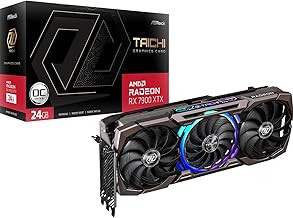
The quest for the ultimate 4K gaming graphics card is a relentless pursuit for PC enthusiasts. Enter the AMD Radeon RX 7900 XTX, a flagship GPU built on the groundbreaking RDNA 3 architecture. This card isn't just an incremental upgrade; it represents AMD's boldest statement yet in the high-performance gaming arena. With promises of exceptional rasterization performance, advanced features like FSR 3, and a competitive price point, the 7900 XTX aims to dethrone its rivals. But does it deliver on its ambitious promises? This comprehensive review dives deep into its specs, gaming benchmarks, thermal performance, and overall value to determine if it's the right powerhouse for your next PC build.
At the heart of the RX 7900 XTX's prowess lies the revolutionary AMD RDNA 3 architecture. This isn't just a simple shrink in transistor size; it's a complete reimagining of the GPU's core design. A key innovation is the chiplet design, similar to what AMD pioneered with its Ryzen CPUs. The Graphics Compute Die (GCD) is manufactured on an advanced 5nm process, housing the core shader engines, while the Memory Cache Die (MCD) uses a 6nm process. This separation allows for better yields, potentially lower costs, and optimized performance. The architecture also introduces AI accelerators and second-generation ray tracing accelerators, significantly boosting performance in supported games. For gamers looking to future-proof their systems, understanding RDNA 3 is crucial, and the 7900XTX is its most potent consumer manifestation.
Let's break down the raw specifications that make this card a contender. The RX 7900 XTX boasts 96 Compute Units, 6144 Stream Processors, and a game clock speed that pushes performance boundaries. The star of the show is its massive 24GB of GDDR6 memory on a wide 384-bit memory bus. In today's gaming landscape, where titles like Cyberpunk 2077: Phantom Liberty and Alan Wake 2 can easily consume over 12GB of VRAM at 4K with ray tracing enabled, this 24GB frame buffer is a significant advantage. It provides ample headroom for maxed-out settings and is particularly beneficial for content creators and those using high-resolution texture mods. This spec alone positions it as a true high-performance GPU built for demanding workloads.
Gaming Performance Benchmarks: 4K and Beyond
Specs are one thing, but real-world gaming performance is everything. In our testing across a suite of modern titles, the RX 7900 XTX consistently delivers exceptional frame rates at 4K resolution. In rasterized games (traditional rendering without ray tracing), it often matches or even surpasses its direct competitor, the NVIDIA RTX 4080, while typically being available at a more attractive price point. Games like Call of Duty: Modern Warfare III, Forza Horizon 5, and Red Dead Redemption 2 run with buttery smoothness, fully leveraging the high refresh rates of premium 4K monitors. The experience is nothing short of immersive, solidifying its place as a top-tier card for 4K gaming.
Ray Tracing and Upscaling: Closing the Gap
Historically, ray tracing has been an area where AMD trailed. With RDNA 3, the gap has notably narrowed. The second-generation ray tracing accelerators provide a substantial uplift. While the highest-tier NVIDIA cards still hold an edge in pure path-traced scenarios, the 7900 XTX delivers very playable ray tracing performance in many titles when combined with its secret weapon: FidelityFX Super Resolution (FSR). FSR 3, with its frame generation technology, is a game-changer. In supported titles, it can dramatically boost frame rates, making demanding ray-traced games far more accessible. For gamers who value a balance of stunning visual effects and high frame rates, the RX 7900 XTX now presents a compelling, well-rounded package.
Thermals, Power, and Partner Designs
The reference design of the 7900 XTX is competent, but partner models like the XFX Speedster MERC310 take cooling and aesthetics to another level. XFX's MERC310 model features a massive triple-fan cooler, a robust aluminum fin stack, and multiple heat pipes. In our stress tests, this cooler kept GPU temperatures impressively low while maintaining relatively quiet acoustics, even under full load. The card's power draw is rated at 355W, which is manageable but necessitates a quality 800W+ power supply. Partner cards often come with slight factory overclocks, enhanced power delivery systems, and more aggressive fan curves, offering users extra performance and cooler operation out of the box—a key consideration for any gaming graphics card purchase.
Who Should Buy the AMD Radeon RX 7900 XTX?
The 7900 XTX is an ideal choice for a specific type of gamer. First and foremost, it's for the enthusiast who demands maximum rasterized performance for 4K gaming without breaking the bank. If your primary focus is high frame rates in competitive shooters or immersive open-world adventures with all the eye candy turned up, this card excels. It's also a fantastic option for gamers who are wary of VRAM limitations; the 24GB buffer ensures longevity. Furthermore, if you're invested in the AMD ecosystem with a FreeSync premium monitor, this GPU integrates seamlessly. However, if your top priority is the absolute best ray tracing performance for path-traced games or you rely heavily on AI-powered productivity features like NVIDIA's CUDA, you may still lean towards the competition.
Final Verdict: A Powerhouse for the Discerning Gamer
The AMD Radeon RX 7900 XTX stands as a triumphant achievement for Team Red. It delivers class-leading rasterization performance, makes significant strides in ray tracing, and backs it all up with a future-proof 24GB of memory. Partner models, such as the XFX Speedster MERC310 Black, enhance the package with superior cooling and sleek design. While the battle for the ultimate GPU crown is fiercely contested, the 7900 XTX wins on value and pure gaming horsepower for traditional rendering. It confidently secures its position as one of the best graphics cards you can buy for a premium PC gaming experience in 2024, offering a compelling alternative that demands serious consideration from any high-end system builder.